Idaho Nonresident Deer and Elk Tags: The New Draw System
Idaho ended first-come nonresident general tags — 2026 tags went to a December drawing with a February second chance. Here's how the new system works and the strategy that wins it.
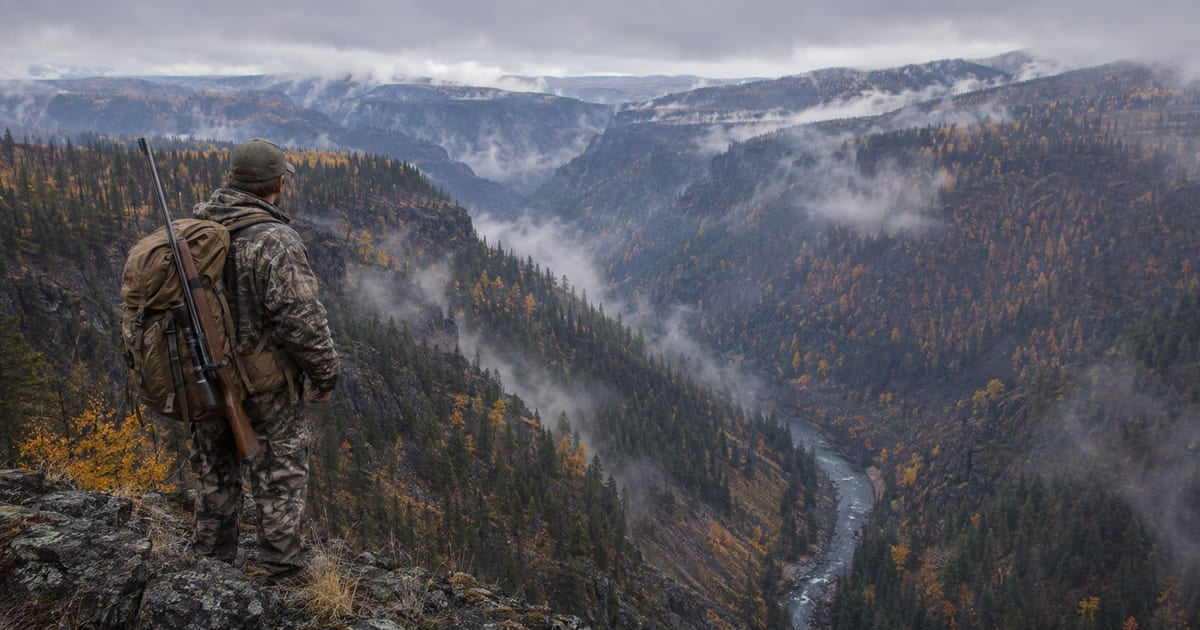
For years, buying an Idaho nonresident elk tag meant setting an alarm for the December on-sale morning, opening six browser tabs, and watching the licensing site melt under the load while the Sawtooth Zone sold out in minutes. Camping in a digital queue for the privilege of maybe clicking fast enough. We did it. It was miserable, and half the time the tag went to a reseller-adjacent bot anyway.
That system is dead. Starting with the 2026 season, Idaho distributes its capped nonresident general-season deer and elk tags through a drawing — applications in December, a second-chance window in February, and no more speed-clicking. If Idaho is anywhere in your western rotation, this changes your calendar, your budget timing, and honestly your odds. Here’s the whole system, plus what a nonresident reading this in August 2026 can still do this fall.
What Changed and Why
Idaho caps nonresident general deer and elk tags — statewide totals, subdivided into per-zone limits for elk and unit-group limits for deer. Under the old first-come model, those caps sold like concert tickets: instantly for the famous zones, with website crashes, and with an ugly secondary market. The Fish and Game Commission approved the switch to a drawing for 2026 tags, announced in mid-2025, explicitly to end the server-rush chaos and spread the chance around.
The mechanics for the 2026 season ran like this:
| Step | Window | Details |
|---|---|---|
| First application period | Dec 5–15, 2025 | Apply online for a specific zone/tag |
| First draw results | Early January 2026 | Winners notified |
| Purchase deadline | Jan 20, 2026 | Unbought tags forfeit back to the pool |
| Second application period | Feb 5–15, 2026 | For remaining/unpurchased tags |
| Second results / purchase | Early March / Mar 20, 2026 | Final cleanup |
Three rules do most of the strategic work. You must hold a current nonresident hunting license before you apply — that’s roughly a couple hundred dollars committed before you know anything. Application fees are nonrefundable if you strike out. And applying for a general tag leaves you fully eligible for Idaho’s controlled hunt drawings — the general draw and the controlled draws are separate lanes you can run in the same year.
There’s no points system attached. Every December is a clean lottery. Whether that’s refreshing or maddening depends on how many Wyoming points you’re sitting on.
The License-First Rule Is the Real Cost
Budget for the nonresident hunting license at application time, in December, not at tag-purchase time. Unsuccessful applicants don’t get that money back — it’s the table stakes for entering. Families applying together feel this fastest: four applicants means four licenses before a single tag exists.
What It Means If You’re Reading This in August 2026
Both 2026 application windows are long closed. If you didn’t draw — or didn’t know any of this was happening — your realistic options for hunting Idaho this fall are short:
Returned tags. Idaho recirculates returned nonresident tags (and any zone inventory that survived both draws) through its licensing system. They appear sporadically, in ones and twos, and vanish fast. If a specific zone matters to you, a daily check of the IDFG nonresident tag-quota page costs two minutes. That’s the entire remaining 2026 market.
Hunt somewhere else, this year. September doors are still open in Colorado and Utah — we keep the current inventory picture in our last-minute September elk guide. There’s no shame in letting Idaho be a 2027 project.
Set up the 2027 application now. The next window is expected in early December 2026 — for the 2026 cycle it ran December 5–15, and you should verify the new dates at idfg.idaho.gov when they’re announced this fall. Put a November reminder on the calendar; our multi-state planner tracks it alongside every other state deadline so December doesn’t ambush you again.
Strategy for the December Draw
The first cycle of any new draw is played badly by most of the field, which is the opportunity.
Pick the zone with data, not nostalgia. Under first-come, your zone choice was whatever survived the checkout race. Under a draw you choose deliberately — so the choice deserves harvest numbers. Success rates, hunter densities, and elk-per-effort vary wildly across Idaho’s elk zones, and the famous names (Sawtooth, Middle Fork) carry demand their harvest stats don’t always justify. Run the zones through our Idaho elk unit data and the draw odds tool before December, not during it.
Demand follows fame; apply where it doesn’t. The zones that sold out in minutes under first-come will be the oversubscribed applications now. The zones that used to sell out in days — good hunting, less Instagram — are where a clean-lottery applicant’s odds live. Same logic that’s won multi-state draw strategy for years: the tag you can actually get in country with a real elk density beats the tag you’ll apply for fruitlessly until you die.
Run both lanes. General application in December, controlled-hunt applications in their own spring window. The lanes don’t interfere, and the controlled draw is where Idaho’s genuinely elite hunts hide anyway — see our Idaho application guide for how the pieces fit.
Have the purchase money ready in January. Winners who miss the January 20 purchase deadline donate their tag back to the February pool. Don’t be the cautionary tale in someone else’s strategy article.
February Is a Real Second Chance
Every tag a January winner fails to purchase lands in the February 5–15 window, alongside zones that under-applied. In year one especially, plenty of applicants won’t follow through — treat the second period as a genuine draw, not a leftovers bin.
The Bigger Pattern
Idaho didn’t do this in a vacuum. Colorado ended unlimited nonresident OTC archery elk in every GMU west of I-25 the same year. Montana’s been capped for decades. Every western agency is managing the same collision between finite Septembers and a growing pile of nonresident applications, and the direction only points one way: toward draws, caps, and calendars that reward the organized.
Our take, having hunted Idaho under both systems: the draw is better for you if you plan, worse if you improvise. The old December morning rewarded broadband and luck. The new one rewards a hunter who spent an October evening comparing zone harvest data and set two calendar reminders. Be the second hunter — it’s cheaper than therapy for the first one.
FAQ
How do nonresidents get Idaho general deer and elk tags now?
Through a drawing. For 2026 tags, applications ran December 5–15, 2025 (results early January, purchase by January 20), with a second application window February 5–15, 2026 for remaining tags. First-come, first-served sales are gone.
Do I need a license before applying for the Idaho nonresident draw?
Yes — a current nonresident hunting license is required at application time, and application fees aren’t refunded if you don’t draw. It’s real money committed before results, so budget for it in December.
Can I still get an Idaho elk tag for the 2026 season?
Only through returned tags — nonresident tags that holders send back get resold through the IDFG licensing system in small, sporadic batches. Check the nonresident tag availability page daily if it matters to you; otherwise plan for the December application.
Does applying for a general tag hurt my Idaho controlled hunt applications?
No. The general-season drawing and controlled-hunt drawings are separate — you can apply in both in the same year, and serious applicants should.
Does Idaho use preference or bonus points for this draw?
No points of any kind. Every applicant enters each December with identical odds for their chosen zone, which makes zone selection — not point-banking — the entire strategy.
When is the application window for 2027 Idaho tags?
Expect early December 2026, mirroring the December 5–15 window used for 2026 tags — but verify the announced dates at idfg.idaho.gov this fall before building plans around them.
Disclaimer: Draw mechanics described here reflect IDFG’s announced process for 2026-season tags, verified against agency publications as of August 13, 2026. Windows, fees, and quotas change annually — confirm current rules at idfg.idaho.gov before applying.
Next Step
Check Draw Odds for Your State
Tag-level draw odds across 9 western states — filter by species, unit, weapon, and points. Free to use.
Get the Insider Edge
Join hunters getting exclusive draw odds data, gear deals, and weekly hunt planning tips.
Related Articles
Arizona OTC Archery Deer 2026: Unit Limits and Closures
Arizona's OTC archery deer season opens August 21, 2026 — and units close the moment harvest limits fill. Here's every unit's limit, plus the best bets by real archery success rates.
Colorado OTC Elk in 2026: What Changed for Nonresidents
Colorado eliminated unlimited nonresident OTC archery elk west of I-25 for 2026 — and Gunnison rifle tags went draw-only. Here's exactly what's still on the shelf and how to hunt this fall anyway.

Colorado Reissue Licenses: How to Grab Returned Elk Tags
Every Wednesday through fall, CPW sells back surrendered limited licenses — including elk tags nonresidents can't get any other way in 2026. Here's the Tuesday-Wednesday ritual that actually lands one.
No comments yet. Be the first to share your experience!