Wind River Basin Mule Deer: Wyoming's Overlooked Trophy Zone
The Wind River Basin and adjacent foothills produce consistent trophy mule deer bucks on OTC general tags. Why this country is overlooked, what the terrain looks like, and how to hunt it effectively.

The Wind River Basin is the 4,000-foot floor between the Wind River Mountains to the north and west, the Owl Creek Mountains to the south, and the Big Horn Basin to the northeast. Most hunters who drive through this country on US-26 between Riverton and Dubois are thinking about the mountains visible in the distance. They’re not stopping for the basin deer. That’s an oversight.
The Wind River Basin and its foothill margins — particularly the terrain rising from the basin floor toward the Wind River Range and the Owl Creek highlands — hold mature mule deer bucks available on Wyoming OTC general tags. No preference points. No draw lottery. Buy the tag online and show up with a plan.
General Tag Availability
Wyoming OTC general deer licenses are valid in the Wind River Basin hunt areas. Fremont and Hot Springs County hunt areas cover most of the basin and foothill country, with additional units in Natrona and Washakie counties touching the basin’s edges. The general tag in this area is one of the most straightforward OTC mule deer access options in Wyoming.
The relative obscurity of the basin keeps pressure lower than the Wyoming Range or the Red Desert for equivalent effort. Hunters who make the Wyoming Range their default destination — and there are a lot of them — are competing with a self-reinforcing crowd. The Wind River Basin doesn’t have that reputation pull. It’s not on anyone’s shortlist unless they’ve hunted it or specifically went looking for underworked general-tag country.
Wyoming nonresident general deer tag fees sit well under $300 for the tag and license combined. No point cost. The entry cost for a Wind River Basin hunt is the tag, the drive, and whatever camp you can build in the basin sagebrush.
The Hunt Areas
Primary Wind River Basin mule deer areas include Hunt Area 43 (Boysen/Owl Creek), Hunt Area 52 (Riverton/Wind River Range foothills), and Hunt Area 53 (Dubois/upper basin). Each carries a different terrain character that affects where deer concentrate and how you find them.
Hunt Area 43 covers the Owl Creek front — rimrock benches, sage flats, and seasonal drainages running north toward the Bighorn River basin. This is the most open terrain in the Wind River system. Deer use the rimrock edges and the broken country between rim and basin floor for bedding cover, dropping into the flats to feed. Good glassing country with significant BLM ground.
Hunt Area 52 is the country between Riverton and the mountain front — the wide, rolling sage flats and foothills where the basin floor transitions upward toward the Wind River Range. The western edge of this unit, where the sage flat breaks into mountain mahogany and aspen as elevation increases, produces the most consistent mature-buck sightings in the region. Deer use the lower terrain in warm early-season weather and pull uphill progressively as temperatures cool through October and November.
Hunt Area 53 covers the Dubois side and the upper basin where the floor narrows and the terrain transitions from desert basin character into legitimate foothill hunting. Aspen draws and mountain-mahogany ridges run down from the Wind River Range foothills, and the country opens onto the upper basin’s sage flats. This is the unit that most closely resembles classic Wyoming mountain mule deer habitat, with some of the best trophy potential of the three primary areas.
All three produce mature bucks on general tags. The trade-off is access complexity — knowing which specific drainages and terrain transitions hold the best deer requires prior scouting or time invested in e-scouting tools before you arrive.
Focus the Foothill Transition Zone in Late October
The foothill transition zone on the west side of the basin — where the sage flat breaks into mountain mahogany and aspen as elevation increases toward the Wind River Range — produces the most consistent mature-buck sightings. Deer use the lower terrain in warm weather and pull uphill as temperatures cool, concentrating in the foothill edge in October and November when the rut and migration overlap. Find the mountain-mahogany ridges at 6,500–7,500 feet and glass the transition from above.
Basin vs. Foothills
Wind River Basin hunting splits into two distinct characters depending on where you set up.
Basin-floor hunting — roughly 4,000 to 5,500 feet — is open sage and rimrock. Truck-and-binocular hunting, glassing from elevated positions and driving basin roads before first light to locate deer on the flat. The terrain is open enough for 600–800 yard spotting scope assessment of bucks before committing to a stalk, which means you can cover a lot of country quickly and make selective decisions about which deer are worth pursuing. This is efficient hunting. You can glass through a lot of basin in a single morning and have a clear picture of what the country holds.
Foothill hunting — 6,000 to 8,000 feet — is more vertical and more demanding. Aspen-covered drainages, mountain-mahogany ridges, and the broken country where the Wind River Range’s lower slopes meet the basin floor. You’re putting in more foot miles, navigating more complex terrain, and hunting deer that use the topography actively for security. The return is better trophy quality. Bucks that use the more remote foothill country carry older age structure than the basin-floor population simply because they see fewer hunters.
Both approaches produce deer. The basin floor is more accessible and more efficient for covering country fast. The foothills produce the biggest bucks. If you have 10 days, spend the first two or three days glassing the basin to build a picture of what’s moving and where, then push into the foothills with the information you’ve gathered.
October Rut Timing
Wind River Basin mule deer rut timing tracks the northern Wyoming baseline — peak activity from late October into mid-November. That window overlaps with Wyoming’s general deer rifle seasons, putting the most visible period of the year directly in your hunting window if you plan your trip around it.
During the rut, bucks that have been largely nocturnal through September and early October become actively daytime visible. They’re moving between doe groups in the basin and foothill country, covering significant daily distances and making the kind of decisions that get mature bucks killed. A buck that spent October bedded in a dark timber edge at 7,000 feet will cross an open sage flat at 10 a.m. during the rut chase phase without apparent concern.
The most productive week in the Wind River Basin is typically the seven days straddling October 28 to November 4. Position on the foothill edges overlooking basin areas during that window. You want an elevated glassing point with a long view into the sage and mountain-mahogany transition where you can catch bucks moving between doe groups in the open before they commit to bedding.
Don’t underestimate midday. Rutting bucks in the Wind River Basin move through midday in a way they never do in early season. A buck that walks past your position at 11 a.m. during the rut chase phase is not unusual here — it’s a regular occurrence. Staying in the field all day during the rut window matters more than any other timing consideration.
Know the Wind River Indian Reservation Boundary
The Wind River Indian Reservation (Eastern Shoshone and Northern Arapaho) borders significant portions of the Wind River Basin general hunting areas. The reservation is closed to non-tribal hunting — no exceptions. The checkerboard land pattern in this area can be disorienting, with BLM, state, and reservation parcels mixing in close proximity. Use BLM parcel maps and OnX hunting maps to confirm public land status before entering any area. Violations of reservation boundary aren’t technical mistakes — they’re serious legal matters. Check the map every time.
Glassing the Basin
The Wind River Basin OTC hunt is primarily a spot-and-stalk operation built around glassing from vehicles and elevated positions. The open terrain makes it work.
Drive basin roads and access routes before first light, reaching elevated points — ridge ends, bench edges, rimrock positions — before shooting light. Glass the sage benches and rimrock edges as the light comes up. The first 90 minutes of daylight are the most productive movement window for deer in the basin. Bucks that have fed through the night are moving back toward bedding cover during this period and are visible in the open.
Once you’ve located a buck worth pursuing, glass the terrain between your position and his location. Plan the stalk route before you move — the open terrain that makes glassing productive also means deer can see you across the same distances you’re watching them. Identify the drainage or terrain feature that gives you cover for the approach, and work the wind. Great Basin-style open-country stalking demands patience in the approach. Rush it and the deer will be gone before you’re in range.
Quality optics pay significantly in this country. A 65mm spotting scope at the truck — positioned on a window mount or tripod — gives you the assessment capability to evaluate bucks at 600–1,000 yards before committing to a stalk. Transition to 10x42 binoculars for the approach once you’re moving. Don’t try to run a Wind River Basin hunt on 8x32 binoculars and no spotting scope. The country is too open and the range assessments too important to underinvest in glass.
Limited Entry Alternative
Wyoming’s limited-entry deer areas in the Wind River country — Hunt Area 53 around Dubois and specialized areas in the Owl Creek Mountains — draw at moderate preference point levels and produce genuinely exceptional bucks. The Dubois limited-entry country regularly produces 180+ B&C deer, with the best units hitting 190 B&C in good years.
The preference point requirement for these limited-entry units runs 5–10 points for nonresidents depending on the specific area and season — significantly more accessible than Wyoming’s most coveted elk units. A hunter who starts accumulating Wyoming deer preference points this year is looking at a 7–10 year timeline to access the premium Wind River limited-entry country.
The general tag strategy and the limited-entry build aren’t in competition. Hunt the general tag country every year while accumulating preference points toward the limited-entry draw. The general tag gives you consistent field time in the Wind River drainage, builds your knowledge of the terrain and deer movement patterns, and produces legitimate trophy bucks in its own right. When you finally draw the limited-entry tag, you’re hunting with years of familiarity rather than starting cold.
Run the Draw Odds Engine to project your specific limited-entry timeline based on your current point total. Check current Wyoming draw odds before each application season — point requirements for some Wind River limited-entry units shift year to year with applicant pressure.
Wind River Basin Cold and Wind Preparation
The Wind River Basin in October and November is cold and frequently brutal with wind. The open sage terrain at 4,500 feet has no shelter from frontal systems that roll through Wyoming’s central plateau, and wind-chill temperatures on November rifle days can drop conditions 20–30 degrees below the air temperature. Quality wind-resistant outer layer — a hardshell with a meaningful wind rating, not just a softshell fleece — is non-negotiable. Insulated bibs for stationary glassing sessions are equally important. Layer aggressively before you leave the truck, and expect to shed layers when you start the stalk. The Wind River Basin will punish hunters who dress for the drive and not the field.
Access and Land Status
The Wind River Basin hunt areas carry a reasonable public land base for DIY hunters, but the checkerboard pattern of BLM, state, private, and reservation ground requires map work before you hunt.
BLM ground makes up a significant portion of the accessible land in the basin, particularly in the Owl Creek front area and portions of the upper basin. State land parcels are scattered throughout. Private ranches control the better water sources and some of the most productive foothill terrain. Knowing which parcels are accessible before you arrive — not after you’ve already driven two hours into the basin — is the foundation of a productive hunt.
OnX Hunting maps with the Wyoming layer updated for the current season are the standard tool. Download offline maps for your target hunt areas before leaving cell range. BLM motor vehicle use maps are also worth reviewing — they define where vehicle travel is permitted, which matters for the drive-and-glass approach that works well in the basin. Some basin roads are open; others require foot access.
Water is the organizing factor for deer distribution in the basin. Seasonal stock ponds and drainages concentrate deer in the otherwise open terrain. Identify the active water sources in your target area during late September and early October scouting or e-scouting — bucks will use the terrain around those water points predictably as long as water persists.
Planning Your Wind River Hunt
The Wind River Basin hunt doesn’t require elaborate logistics. It’s a camp-in-the-truck, glass-from-the-rim operation at its core. A basic camp setup — camper shell or rooftop tent, cooler for meat, adequate layering — handles the logistical requirements.
Target the October 28 to November 10 window for the rut movement advantage. Plan a minimum of five days in the field, with seven to ten days giving you meaningful flexibility around weather and deer movement patterns. Arrive a day early for the drive from the truck-camping setup to the first glassing positions at legal shooting light.
Buy the general tag well in advance — Wyoming nonresident general deer tags sell out in popular units as the season approaches. Check availability at Wyoming Game and Fish directly.
The Wind River Basin OTC hunt is one of Wyoming’s genuine hidden opportunities. It’s not the flashiest destination on the western mule deer circuit. But it’s huntable right now, it produces mature bucks, and you don’t need a single preference point to be there. Buy the tag this year. Hunt the foothill transitions in November during the rut window. See what the basin holds.
Sources & verification
Seasons, license fees, application windows, and draw structure for Wyoming change every year. Always verify the current details against the official Wyoming agency before applying or hunting.
- Wyoming Game & Fish Department — wgfd.wyo.gov
Next Step
Check Draw Odds for Your State
Tag-level draw odds across 9 western states — filter by species, unit, weapon, and points. Free to use.
Get the Insider Edge
Join hunters getting exclusive draw odds data, gear deals, and weekly hunt planning tips.
Related Articles
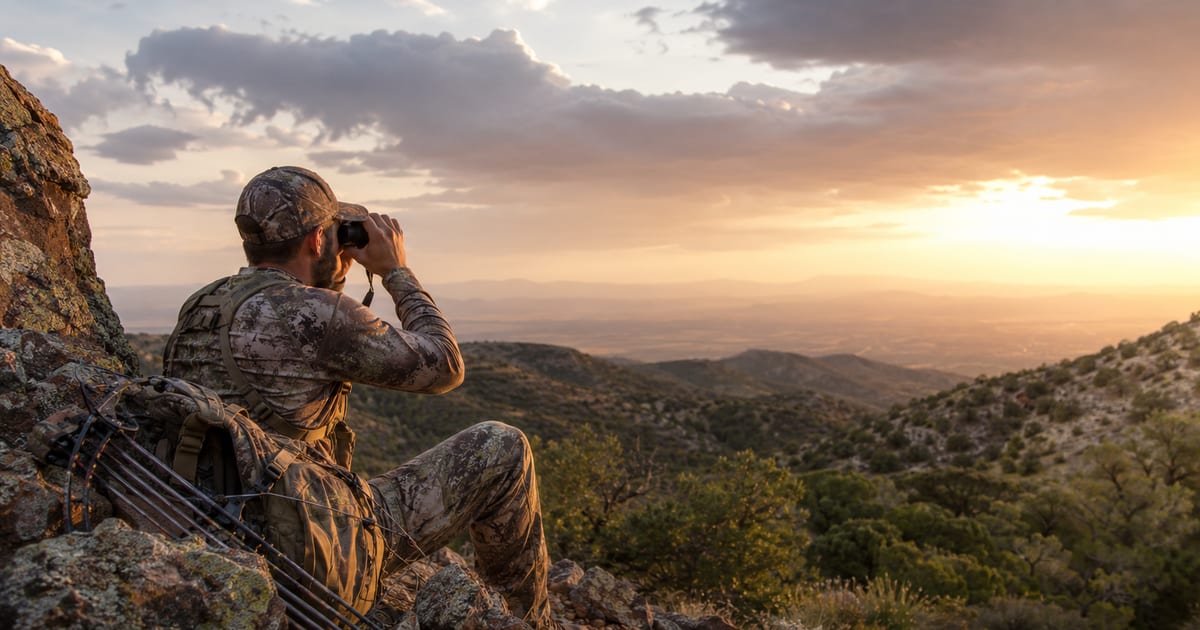
Arizona OTC Archery Deer 2026: Unit Limits and Closures
Arizona's OTC archery deer season opens August 21, 2026 — and units close the moment harvest limits fill. Here's every unit's limit, plus the best bets by real archery success rates.
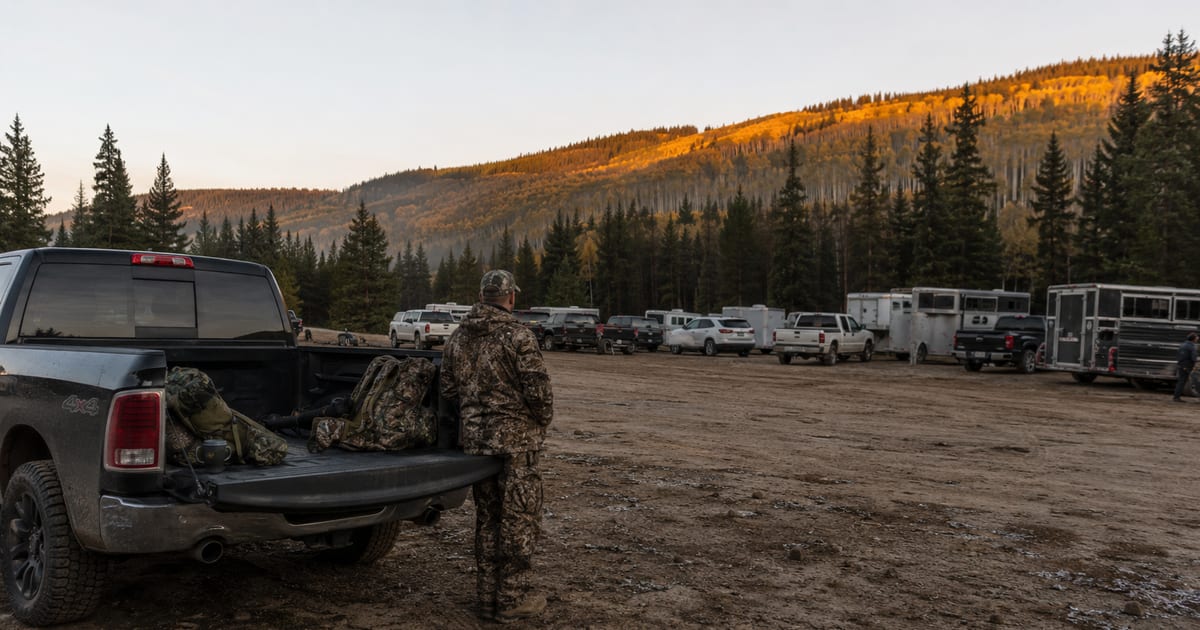
Colorado OTC Elk in 2026: What Changed for Nonresidents
Colorado eliminated unlimited nonresident OTC archery elk west of I-25 for 2026 — and Gunnison rifle tags went draw-only. Here's exactly what's still on the shelf and how to hunt this fall anyway.
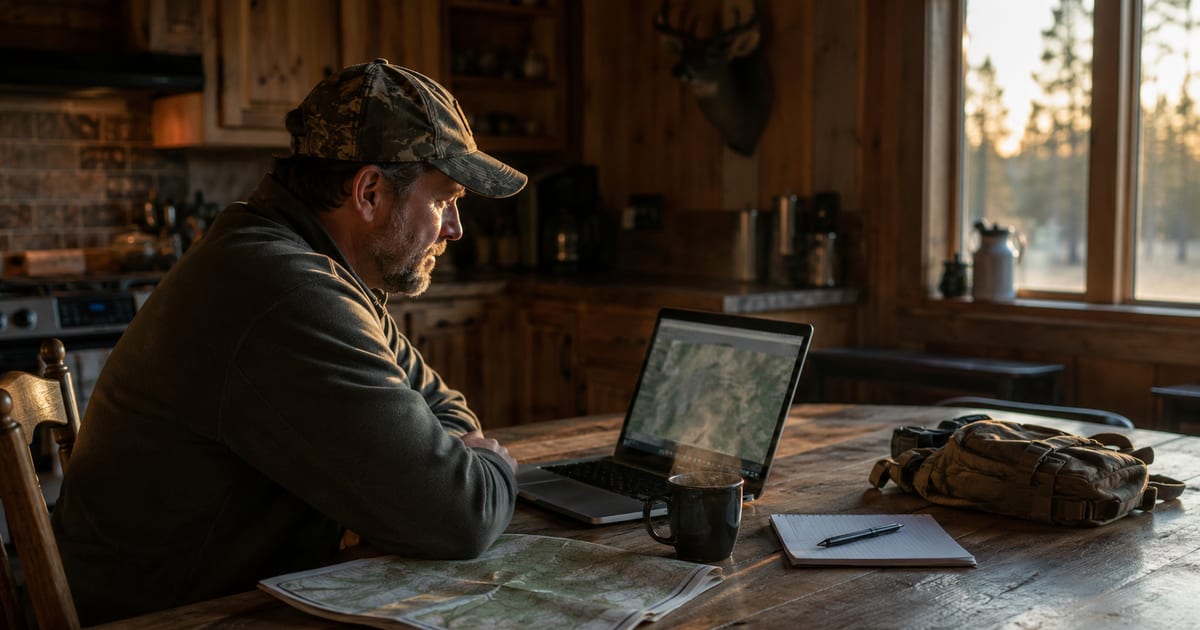
Colorado Reissue Licenses: How to Grab Returned Elk Tags
Every Wednesday through fall, CPW sells back surrendered limited licenses — including elk tags nonresidents can't get any other way in 2026. Here's the Tuesday-Wednesday ritual that actually lands one.
No comments yet. Be the first to share your experience!