Wyoming Nonresident Hunting Guide: Licenses, Draw System, and Tag Strategy
How Wyoming's pure preference point system works for nonresidents, which species are realistic draws vs. pipe dreams, the best units at every point level, and how to build a smart multi-species portfolio from day one.
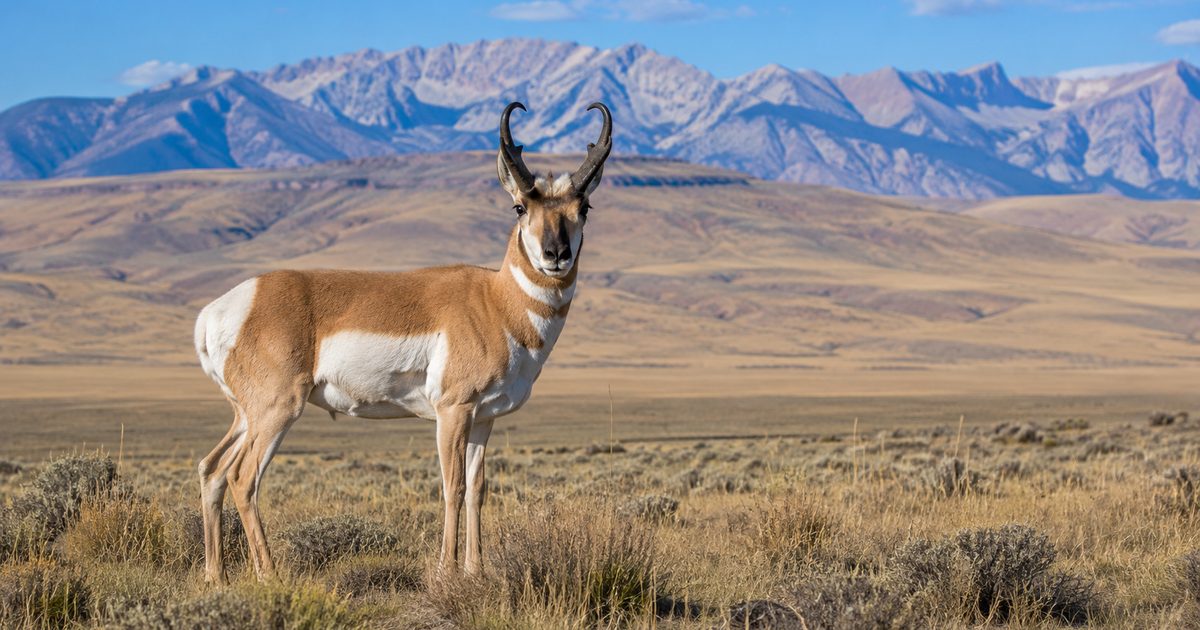
Wyoming is one of the most rewarding states a nonresident can hunt — and one of the most frustrating to navigate. The wildlife is world-class. The public land is vast. But the application system is unforgiving, the deadlines are early, and if you don’t understand how points stack up against other applicants, you’ll spend years spinning your wheels without a tag.
This guide cuts through the noise. Here’s how the Wyoming system actually works, which species are worth chasing as a nonresident, and how to build a tag portfolio that pays off over years rather than decades.
How Wyoming’s Preference Point System Works
Wyoming uses a pure preference point system — no bonus points, no squared odds, no lottery weighting. The highest point holder draws first. Period. When two applicants tie on points, the system breaks the tie randomly. But the core mechanic is simple: accumulate more points than the competition, and you draw.
Points cost money. For most big game species, the nonresident preference point fee runs $52–$153 depending on the species. You can apply for a point without applying for a license, which is useful when you know you won’t draw but want to keep building.
One important rule: you can only apply for one hunt type per species per year. If you put in for elk, you’re locked in to that application — you don’t get a second shot at a different elk unit.
There’s also a party application option. Groups of up to four can apply together, and the system uses the lowest point total in the party. If you’re hunting with someone who has fewer points, you’re pulling yourself down. Hunt with point parity or go solo.
Apply Early — These Deadlines Are Not Flexible
Wyoming’s resident elk, deer, and pronghorn application deadline closed June 1 in 2026 (nonresident elk closed February 2). Sheep, moose, goat, and bison closed April 30. Miss these and you lose your chance to build points for that year. Set a calendar reminder for each window — they’re spread across the year, not bundled.
Nonresident Quotas: The 20% Cap
Wyoming law caps nonresident tags at 20% of the total allocation for most big game species in limited quota areas. That cap applies after resident applications are filled, which means nonresidents are always competing in a smaller pool against each other — not against residents.
For elk, deer, and pronghorn, that’s typically 20% of already-limited quota hunts. For sheep, moose, and goat, nonresident allocation can be as low as 10–16% depending on the unit. The practical effect is that nonresidents need significantly more points than residents to draw the same tag in a popular unit.
License Costs: What You’re Actually Paying
Wyoming doesn’t bundle points into a cheap application fee. Here’s what nonresidents pay per species:
| Species | Preference Point Fee | License Fee (if drawn) |
|---|---|---|
| Elk | $52 | $622 |
| Mule Deer | $52 | $301 |
| Pronghorn | $52 | $226 |
| Bighorn Sheep | $153 | $2,352 |
| Moose | $153 | $1,352 |
| Mountain Goat | $153 | $2,352 |
Plan your budget before you apply. Drawing a premium elk tag costs over $600 before you buy a single piece of gear.
Elk: Realistic Draw Odds by Point Level
Wyoming elk hunting is where most nonresidents start, and it’s a reasonable entry point. The state has over 100,000 elk and strong public land access across the western half.
Type 1 (any elk) general licenses in areas like Area 1 (northwest Wyoming) offer over-the-counter options for nonresidents in some seasons — archery especially. These don’t require points but come with tradeoffs in pressure and access.
We can’t give you a points ladder for Wyoming, and you should treat any source that does with suspicion. The WGFD demand reports our Wyoming data comes from publish tags, applicants, and odds — they carry no point-threshold column for any hunt area. Here’s what the 2026 draw actually paid nonresidents on the Type 1 any-elk hunts, with the resident number alongside so you can see the gap:
| Hunt Area | Region | NR odds, 2026 | Res odds, 2026 |
|---|---|---|---|
| 98 | Wamsutter / Red Desert | 7.3% | 87% |
| 47 | Big Piney / Marbleton | 6.7% | 100% |
| 108 | Frannie / Deaver | 4.1% | 27.4% |
| 7 | Dubois / East Fork | 2.3% | 32.5% |
| 62 | Table Mountain / Fremont | 1.2% | 16.9% |
| 100 | Shirley Mountains | 0.3% | 3.5% |
| 30 | Bear Lodge / Devils Tower | 0% | 3.9% |
Statewide, nonresident elk odds ran a 2.9% median in 2026 with 79 of 121 hunts under 5%. Points move you up the queue in the 75% preference pool — they don’t change the fact that the nonresident quotas are small.
Check the Hunt Type Before You Judge an Area
Area 7’s Type 1 hunt paid nonresidents 2.3% in 2026. Its Type 2 hunt paid 15.1% — same area, same year. Area 62’s Type 1 paid 1.2% while its Type 5 antlerless hunt paid 85.7%. In Wyoming the hunt type moves your odds more than the area number does, so pull the specific hunt code before you write anywhere off.
Mule Deer: More Accessible Than Elk
Wyoming mule deer is a realistic nonresident target, but only if you apply for the right hunt type. Wyoming runs a separate hunt-area system for deer than for elk — the numbers and the boundaries don’t carry across species, so never reuse an elk area number on a deer application.
The Type 1 antlered hunts are the hard ones. In 2026 they paid nonresidents between 0% and 1.9%: area 130 (Yellowstone / Thorofare) issued zero nonresident tags against 49 applicants, and area 128 issued one tag against 1,443.
The Type 3 either-sex hunts are where nonresidents actually draw. All 2026:
- Area 24 (Casper Mountain): 100% for nonresidents — 24 tags, 5 applicants.
- Area 60 (Nowater / Tatman Mountain), Type 2: 83.3% (10 tags, 12 applicants).
- Area 119 (Pinnacles / Spence): 80% (4 tags, 5 applicants) — while the Type 1 hunt in that same area paid 0%.
- Area 66 (Star Valley / Alpine): 50% (3 tags, 6 applicants), against 30.8% for residents.
Note that areas 85, 100, 134 and 54 don’t appear in our Wyoming mule deer data — 85 and 100 are pronghorn and elk areas respectively. If you’ve seen them recommended as deer units, verify on the WGFD map portal first.
Pronghorn: The Best Value in Wyoming
Pronghorn might be Wyoming’s best-kept secret for nonresidents. The state has the largest pronghorn population in North America — over 400,000 animals — and draw odds are dramatically better than elk or deer.
One correction to the folklore first: for nonresidents, Wyoming pronghorn is not a soft draw. Across our 2026 data, nonresident antelope odds ran a 3.3% median and 81 of 122 hunts came in under 5%. Residents drew the same species at a 40.3% median. What makes Wyoming accessible to a nonresident is the OTC general license, not the limited-quota draw.
The limited-quota hunts a nonresident can genuinely draw sit in eastern and southeastern Wyoming. All 2026 nonresident figures:
- Area 29 (Wheatland / Platte River), Type 2: 57.1% — 48 tags, 84 applicants. The Type 1 hunt in the same area paid 1.3%, so the hunt type is doing all the work here.
- Area 26 (Southeast Wyoming / Chugwater): 28.2% — 159 tags, 564 applicants.
- Area 37 (Lance Creek): 24.7% — 22 tags, 89 applicants.
- Area 10 (South Wind River): 22.5% — 18 tags, 80 applicants.
- Area 20 (Bighorn Mountains Central): 17.5% — 32 tags, 183 applicants.
The famous southwestern trophy areas run the other direction. Area 60 paid nonresidents 0.5% in 2026 on 3 tags against 645 applicants, while residents drew it at 23%. Also worth flagging: there’s no area 13 in our Wyoming antelope data, so verify that one against WGFD before building a plan on it.
The practical tip: apply for pronghorn from year one. It’s cheap, odds are realistic, and Wyoming is one of the best states in the country to take your first pronghorn on public land.
Start Your Wyoming Portfolio With Pronghorn
Apply for a pronghorn point (or try a zero-point draw unit) on your first Wyoming application. You’ll likely draw within 2–3 years, get a Wyoming hunt under your belt, and still be building elk and deer points simultaneously. Don’t skip pronghorn just because it isn’t “big” game.
Bighorn Sheep: The Dream Tag
There’s no sugarcoating it — Wyoming bighorn sheep tags for nonresidents are nearly impossible. Most premium sheep units draw in the 15–25 point range for nonresidents, and the allocation is tiny. Unit 1 (Yellowstone boundary) and Unit 7 (Absaroka Range) are world-class but might require 20+ points to draw.
A few lower-tier sheep units draw in the 8–14 point range, but they’re less productive and still represent a decade-long commitment. If you’re serious about Wyoming sheep, start accumulating points immediately — and plan to wait.
The honest math: if you apply for sheep points at age 25 and draw at 45, you’ll have spent around $3,000 in point fees before you buy the $2,352 tag. Budget accordingly.
Building a Multi-Species Wyoming Portfolio from Year One
The smartest Wyoming strategy for a nonresident isn’t picking one species — it’s stacking points across multiple species simultaneously. Here’s a framework:
Year 1–2: Apply for a pronghorn tag (try to draw, not just accumulate points). Start elk and mule deer point banking. Buy sheep and moose points if you’re playing a long game.
Year 3–5: You should have drawn pronghorn at least once. Elk points are building toward mid-tier units. Mule deer points are entering competitive range for solid units like Unit 54 or Unit 85.
Year 6–9: Serious elk draws become realistic. Look at Unit 2, Unit 30, and archery options in the Bridger Teton. Unit 100 mule deer enters range.
Year 10+: If you’ve been consistent, premium elk and mule deer options open. Sheep is still a stretch, but not impossible in lower-allocation units.
The key is consistency. Missing a single year doesn’t just cost you a point — it costs you position relative to everyone else who kept applying.
Wyoming Has No Point Banking After You Draw
When you draw a tag, your preference points for that species reset to zero. Plan this strategically. Don’t draw a mediocre elk tag in Year 5 if you’re 2 points away from drawing Unit 2. Hold out for the unit worth burning your stack.
Quick-Reference: Wyoming Nonresident at a Glance
| Species | App Deadline | Point Fee | License (if drawn) | Realistic NR Draw Range | Best Units |
|---|---|---|---|---|---|
| Elk | ~Jan 31 | $52 | $622 | 5–10 pts (premium) | Unit 2, Unit 30, Unit 100 |
| Mule Deer | ~Jan 31 | $52 | $301 | 3–8 pts | Unit 100, Unit 54, Unit 85 |
| Pronghorn | ~Jan 31 | $52 | $226 | 0–4 pts | Unit 42, Unit 65, Unit 80 |
| Bighorn Sheep | ~Feb 28 | $153 | $2,352 | 15–25 pts | Unit 1, Unit 7 |
| Moose | ~Feb 28 | $153 | $1,352 | 10–18 pts | Unit 16, Unit 68 |
| Mountain Goat | ~Feb 28 | $153 | $2,352 | 10–20 pts | Unit 1, Unit 5 |
Deadlines and fees change annually — verify at wgfd.wyo.gov before applying.
Wyoming rewards hunters who plan ahead and stay consistent. The nonresident cap limits your access, but with the right multi-species strategy and realistic expectations for each point tier, you can be hunting Wyoming elk, deer, and pronghorn across a span of years rather than a single dream tag that never comes. Start the clock running.
Next Step
Check Draw Odds for Your State
Tag-level draw odds across 9 western states — filter by species, unit, weapon, and points. Free to use.
Get the Insider Edge
Join hunters getting exclusive draw odds data, gear deals, and weekly hunt planning tips.
Related Articles
Arizona OTC Archery Deer 2026: Unit Limits and Closures
Arizona's OTC archery deer season opens August 21, 2026 — and units close the moment harvest limits fill. Here's every unit's limit, plus the best bets by real archery success rates.
Colorado OTC Elk in 2026: What Changed for Nonresidents
Colorado eliminated unlimited nonresident OTC archery elk west of I-25 for 2026 — and Gunnison rifle tags went draw-only. Here's exactly what's still on the shelf and how to hunt this fall anyway.
Colorado Reissue Licenses: How to Grab Returned Elk Tags
Every Wednesday through fall, CPW sells back surrendered limited licenses — including elk tags nonresidents can't get any other way in 2026. Here's the Tuesday-Wednesday ritual that actually lands one.
No comments yet. Be the first to share your experience!