Wilderness Area Hunting: Permits, Rules, and What You Actually Need to Know
Most designated Wilderness Areas in the West don't require a separate entry permit to hunt — but the rules around motors, mechanized equipment, campfires, and stock matter a lot. Here's what hunters actually need to know before going in.

The most common misconception about hunting in designated Wilderness Areas is that you need some kind of special entry permit. Most hunters assume that a place called a “Wilderness” must have extra bureaucratic hoops — a permit office, an entry quota, paperwork to fill out weeks in advance. Most of the time, that assumption is wrong.
The Wilderness Act of 1964 explicitly allows hunting as a traditional use. Designated Wilderness Areas are not wildlife refuges. They’re not closed to hunting. In the vast majority of cases across Wyoming, Idaho, Montana, and Colorado, you can hunt a federally designated Wilderness Area with nothing more than a valid state hunting license and the appropriate tag for your species and unit.
Here’s what you actually need to know.
What the Wilderness Act Actually Says
The Wilderness Act established a legal framework for protecting undeveloped federal land from permanent alteration. Hunting was written into the law as a compatible traditional use. Section 4(d) of the Act specifically preserves existing state and federal laws governing hunting and fishing within Wilderness boundaries.
What that means in practice: the state game agency, not the Wilderness designation, controls who can hunt and what animals can be taken. If you have a valid Colorado elk tag for a unit that includes Wilderness land, you can hunt the Wilderness portion of that unit. The Wilderness designation doesn’t add a separate permit requirement on top of your state tag.
What the Wilderness Act does restrict is how you get there and how you operate once you’re inside.
What Wilderness Areas Do Restrict
These restrictions aren’t trivial. They fundamentally change how you have to hunt and how you get your animal out.
Motorized vehicles: No ATVs, no dirt bikes, no snowmobiles (with very limited exceptions for specific areas with pre-existing rights). You can’t drive a four-wheeler to retrieve an animal, even if you could legally reach the edge of the Wilderness by road. The line between non-Wilderness and Wilderness is an absolute boundary for motor vehicles.
Mechanized equipment: This is broader than most hunters realize. “Mechanized” means any equipment using wheels, gears, or mechanical advantage not powered by muscle. No wheeled game carts inside a Wilderness boundary. No e-bikes. No chain saws (in most cases — USFS crews sometimes have emergency exceptions). A traditional wheeled game cart is mechanized equipment and isn’t allowed. Meat has to come out on your back, on a horse, or on a non-wheeled drag.
Drones: Unmanned aircraft are prohibited in all Wilderness Areas. You can’t use a drone to scout, locate animals, or track a wounded animal inside a Wilderness boundary.
Permanent structures: No constructed blinds, no tree stands with screws or permanent attachments, no established feeding sites.
Wheeled Game Carts Are Prohibited Inside Wilderness Boundaries
A standard two-wheeled game cart is mechanized equipment under the Wilderness Act and can’t be used inside a designated Wilderness Area. This is a rule that surprises a lot of hunters who’ve used carts on BLM or National Forest ground outside Wilderness boundaries. Your elk comes out on a pack frame, in panniers on a horse or mule, or dragged by hand. Plan your packing system before the hunt — a 350-pound elk six miles from the trailhead is a logistics problem you need to solve in advance.
What You Can Use
Pack and saddle stock: Horses, mules, donkeys, and llamas are all legal in designated Wilderness Areas. Mechanized equipment is prohibited, but animals aren’t mechanical. Pack stock is explicitly allowed under the Wilderness Act as a traditional means of travel, and many hunting outfitters build their entire business model around horse-supported Wilderness hunts.
Foot travel: Backpacking, hiking, and dragging — all legal. The only restriction is that your feet and your back have to do the work if you’re going in without stock.
Non-wheeled sleds and drags: A plastic game sled, a tarp, or a simple drag rope isn’t mechanized equipment. You can use any of these to drag an animal without wheels. The distinction is wheels and mechanical advantage — a plastic sled sliding on snow or dirt is fine.
The Permit Exceptions That Do Exist
Some heavily used Wilderness Areas have implemented overnight stay permit systems during peak season. These are real permit requirements, and they’re separate from and in addition to your hunting license. But they tend to apply to recreation-dominated Wilderness Areas, not the hunting-focused ones in Wyoming, Idaho, and Montana.
The Maroon Bells-Snowmass Wilderness in Colorado has a permit system for overnight camping in certain high-use zones. The John Muir Wilderness in California requires permits for popular overnight zones during summer. These areas see enormous recreational pressure from hikers and climbers — which drives the permitting systems.
The big hunting wilderness areas in the Rockies and northern Rockies generally don’t have overnight permit requirements. That doesn’t mean they never will — permit systems can change — but it’s the current reality for most of the major western hunting Wilderness Areas.
Specific Areas: What You Actually Need
Frank Church–River of No Return Wilderness (Idaho)
At 2.4 million acres, the Frank Church is the largest designated Wilderness Area in the lower 48. It sits in central Idaho and holds elk, mule deer, black bear, mountain lion, and bighorn sheep.
Entry permit: None required for hunters. You need a valid Idaho hunting license and the appropriate tag. No quota system for hunter entry.
Camping: Dispersed camping is allowed throughout the Wilderness. No permit required for backcountry camping. Some specific campsite areas near popular airstrips have site limits, but these don’t apply to general backcountry hunters.
Air access: The Frank Church has legal airstrips inside its boundaries — a pre-existing use that predates the Wilderness designation. Flying in to a strip like Sulphur Creek Ranch or Big Creek is legal. Flying a plane to locate and then herd animals is illegal under state law regardless of where you are.
Stock: Horses and mules are heavily used in the Frank Church and there’s extensive infrastructure supporting stock access.
The Frank Church Has Legal Airstrip Access — With Caveats
Several private and public airstrips inside the Frank Church Wilderness were grandfathered when the Wilderness was designated, and flying in to these strips is legal. Idaho outfitters use them regularly for drop camps and guided hunts. However, using an aircraft to locate, herd, or take any game animal is illegal under Idaho law and federal airborne hunting regulations. The plane gets you to the Wilderness; after that, you hunt on foot or with stock.
Bob Marshall Wilderness Complex (Montana)
The “Bob” is one of the most iconic elk hunting destinations in North America. The complex — including the Bob Marshall, Scapegoat, and Great Bear Wilderness areas — covers roughly 1.5 million acres in northwest Montana.
Entry permit: None required for hunting. A valid Montana hunting license and appropriate tag is all you need.
Camping: Dispersed camping is legal throughout the complex without a permit. Some stock camps near high-use trailheads have specific regulations about where to picket animals to protect riparian areas, but there’s no camping quota system.
Self-guided hunting: Fully legal and common. You don’t need a licensed guide to hunt the Bob Marshall Wilderness in Montana. Non-residents hunting certain species (grizzly bear is the obvious exception, but that’s closed entirely) don’t need a guide for elk and mule deer.
Weminuche Wilderness (Colorado)
The Weminuche is Colorado’s largest Wilderness Area at roughly 500,000 acres in the San Juan Mountains. It’s a legitimate elk unit with good populations in the right drainages.
Entry permit: No overnight permit requirement for hunting. Day use and overnight camping are allowed without a permit system.
Campfire restrictions: This is where the Weminuche differs from the northern Rockies areas. The San Juan and Rio Grande National Forests impose seasonal campfire restrictions that vary by year and elevation. Above 11,500 feet, campfire restrictions are common during fire season — typically late June through early October, which overlaps directly with archery elk season. Check with the Columbine or Divide Ranger Districts before your hunt. A camp stove is the safe assumption for high-country Colorado camping.
Elk unit overlap: The Weminuche overlaps multiple GMUs. Know which unit your tag covers and use OnX to verify which portions of the Wilderness fall within your unit boundary before the hunt.
Wind River Range Wilderness (Wyoming)
The Wind River Range includes portions of the Bridger Wilderness, Fitzpatrick Wilderness, and other designated areas. It’s known for exceptional scenery and good hunting in the right drainages.
Entry permit: None required for hunters. Wyoming license and tag is sufficient.
Camping: No quota system for general backcountry camping. Some popular lake areas have camping setback rules (camp 200 feet from water, for example), but these apply across most National Forest land whether designated Wilderness or not.
Access considerations: The Winds are remote and trail access varies significantly by drainage. The east side (Pinedale access) and west side (Dubois access) have different road systems and trailhead conditions. Some trailheads require high-clearance vehicles. Research your specific entry point, not just the general area.
Campfire Restrictions in Wilderness Areas
This deserves specific attention because campfire rules in Wilderness Areas can be stricter than surrounding National Forest land, and they change based on fire season conditions.
Elevation restrictions: Many high-country Wilderness Areas prohibit campfires above a specific elevation. Common thresholds are 10,000, 11,000, or 12,000 feet, depending on the forest and the specific Wilderness area. These restrictions exist because at high elevations, wood is scarce and campfire scars persist for decades. The restriction may be year-round or seasonal.
Seasonal fire restrictions: During drought years, land management agencies impose temporary campfire restrictions that apply throughout National Forests and Wilderness Areas under their jurisdiction. These get activated and deactivated during the season. Check the specific forest’s website or call the ranger district the week before your hunt.
Fire pan requirements: Some areas require that campfires be built in a fire pan (a portable metal pan that catches ash and prevents scarring) even where campfires are otherwise allowed. Pack one if you’re hunting high-elevation backcountry.
The practical default: carry a backpacking stove and assume campfires may not be available. If the conditions allow a campfire, great — but don’t build your camp cooking plan around open fire being available.
Call the Ranger District Before You Go
The most reliable source for current campfire restrictions, permit requirements, and trail conditions in any Wilderness Area is the ranger district office that manages it. Call them directly — not the general forest supervisor number — the week before your hunt. Rangers who work that district know the current status of every trail, whether any bear canisters are required, and whether fire restrictions are in effect. Five minutes on the phone saves a lot of guessing.
How to Look Up Permit Requirements
The USFS permit system is fragmented, which is why misinformation spreads. There’s no single national database that shows current permit requirements for all Wilderness Areas. Here’s how to find accurate information.
USFS Recreation page for the specific forest: Each National Forest maintains its own web pages for their Wilderness Areas. Search “[Forest Name] Wilderness permit” and look for the Wilderness Recreation section on the official USFS site. This is the authoritative source for that forest’s Wilderness Areas.
Recreation.gov: Areas that use quota permit systems for overnight camping route those permits through Recreation.gov. If a Wilderness Area has an overnight permit requirement, you’ll find it here. Searching the area name on Recreation.gov tells you quickly whether a reservation system exists.
Ranger district phone numbers: The USFS website lists individual ranger district contact information for every National Forest. Call the district that manages the Wilderness you’re hunting. This is slower than a web search but more reliable for current conditions.
State game agency unit descriptions: Most western state hunting regulations include notes about access, permit requirements, and special regulations for units that contain Wilderness land. The state’s unit description won’t replace checking with the USFS, but it flags any known access issues.
What You Do Need
The short version: bring everything you’d bring for any backcountry hunt, plus a clear understanding of the no-motor and no-mechanized rules.
A valid hunting license and tag for the state and unit. Any required controlled hunt permit if you drew a limited-entry tag. Leave No Trace practices — required in spirit throughout Wilderness Areas, and actively enforced in some heavily used ones. A plan to pack your animal out without wheeled equipment or motorized help.
If you’re bringing pack stock, check the specific Wilderness Area’s stock regulations — many have rules about feed, picket lines, highline setups, and camping distance from water that differ from general National Forest stock rules.
The animals in these areas are in these areas partly because of the restrictions. No ATVs, no e-bikes, no drones, and a five-mile minimum walk filter out a large portion of the hunting pressure that hits more accessible public land. That’s the deal — harder access, better hunting. The permit complexity most hunters imagine isn’t there. The walk is.
Next Step
Check Draw Odds for Your State
Tag-level draw odds across 9 western states — filter by species, unit, weapon, and points. Free to use.
Get the Insider Edge
Join hunters getting exclusive draw odds data, gear deals, and weekly hunt planning tips.
Related Articles
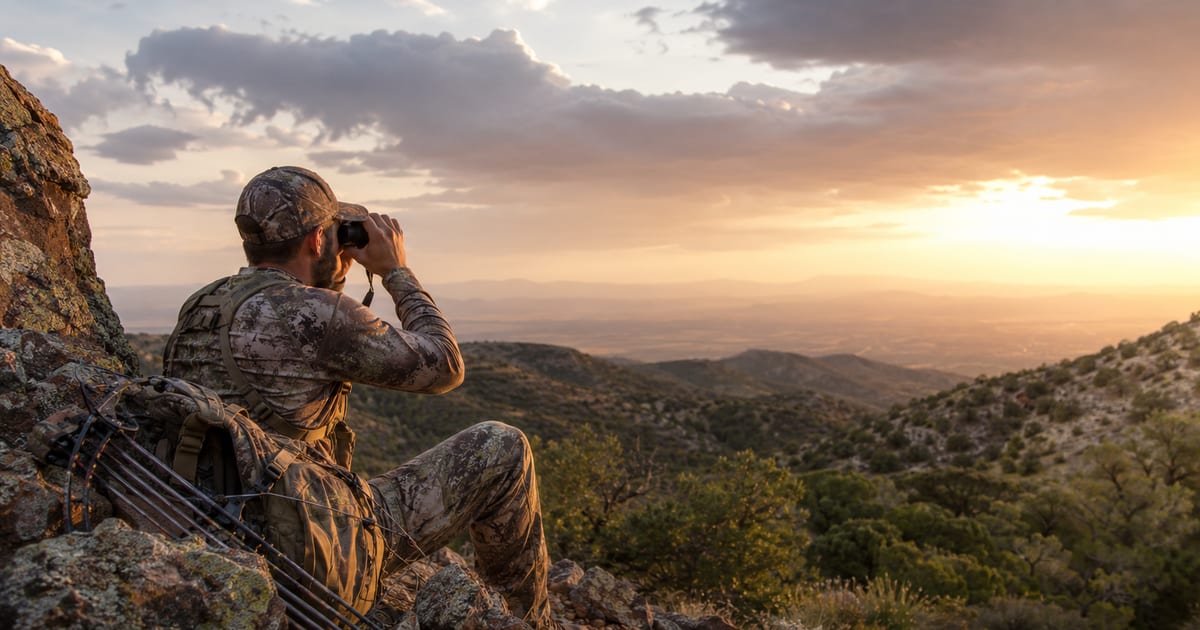
Arizona OTC Archery Deer 2026: Unit Limits and Closures
Arizona's OTC archery deer season opens August 21, 2026 — and units close the moment harvest limits fill. Here's every unit's limit, plus the best bets by real archery success rates.
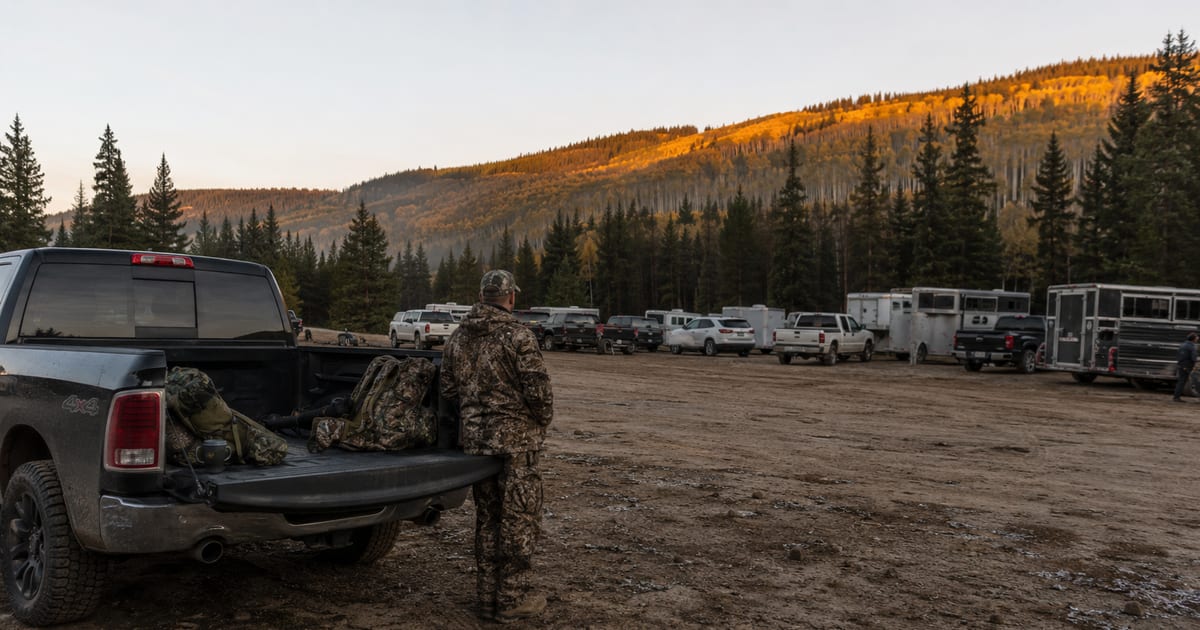
Colorado OTC Elk in 2026: What Changed for Nonresidents
Colorado eliminated unlimited nonresident OTC archery elk west of I-25 for 2026 — and Gunnison rifle tags went draw-only. Here's exactly what's still on the shelf and how to hunt this fall anyway.
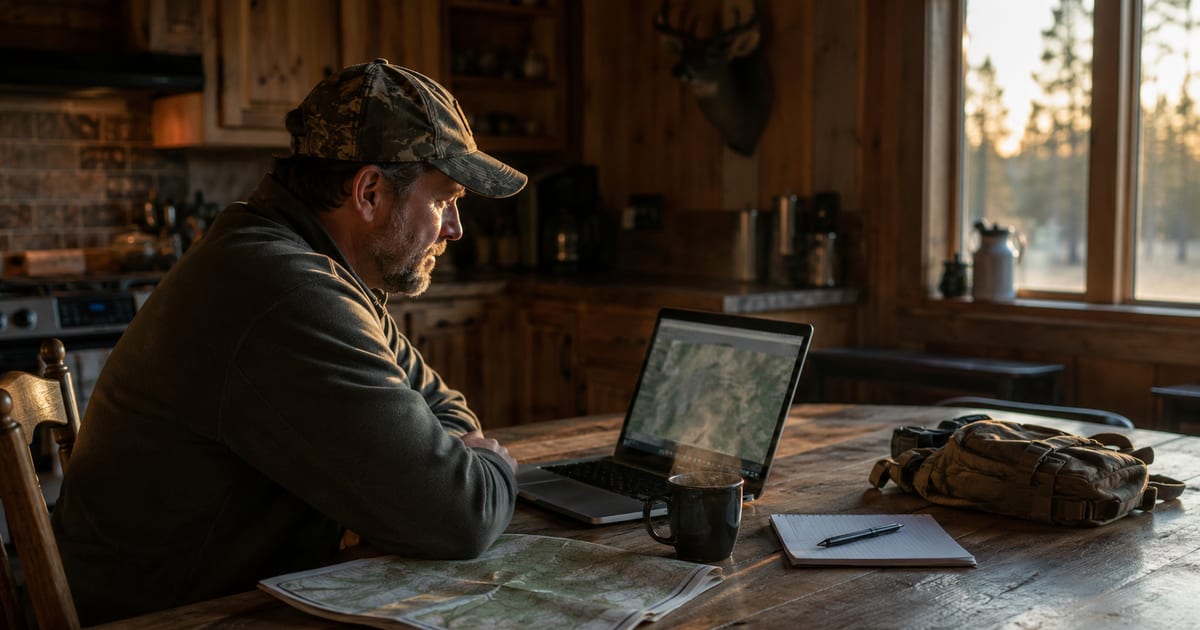
Colorado Reissue Licenses: How to Grab Returned Elk Tags
Every Wednesday through fall, CPW sells back surrendered limited licenses — including elk tags nonresidents can't get any other way in 2026. Here's the Tuesday-Wednesday ritual that actually lands one.
No comments yet. Be the first to share your experience!