Washington Elk Draw Odds: Special Permits, Point Systems, and Pacific Northwest Elk
Washington's WDFW special permit system governs access to the state's best elk hunting -- from Olympic Peninsula Roosevelt elk to northeast Rocky Mountain bulls. Here's how the draw works, what to expect as a nonresident, and how Washington stacks up against other Pacific Northwest states.
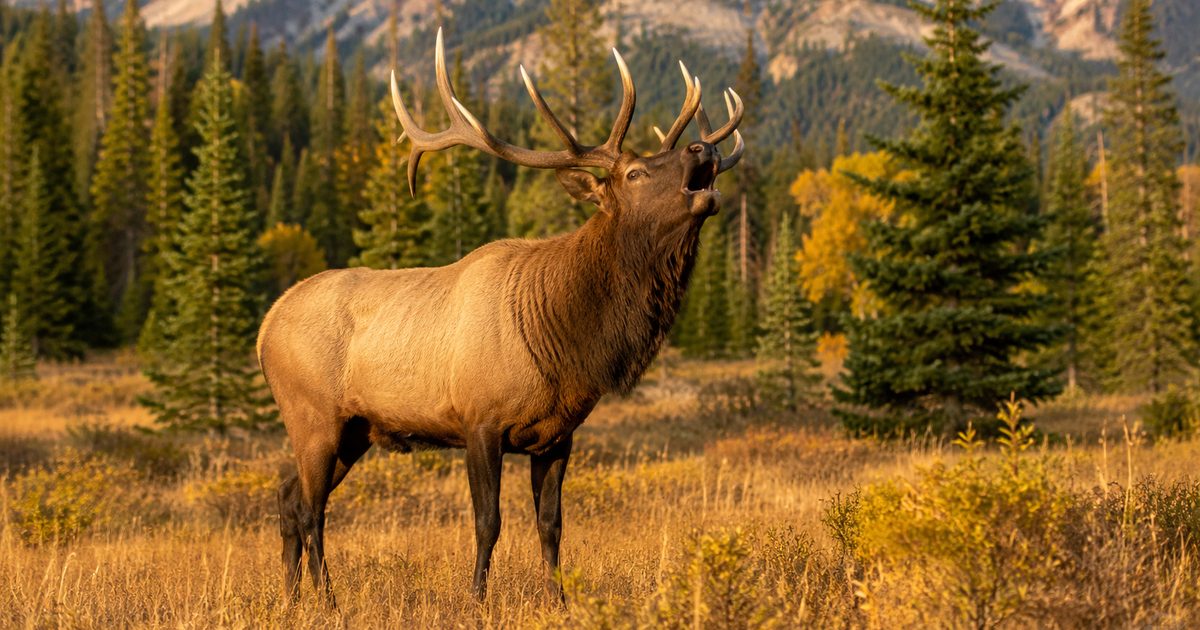
Washington elk hunting doesn’t get the spotlight that Idaho or Montana commands in hunting media, but that’s partly what makes it interesting. The state holds two subspecies — Roosevelt elk on the west side and Rocky Mountain elk in the northeast — with meaningfully different hunting experiences for each. Some tags are available through general season licenses. The best bull tags require a special permit. Navigating the Washington Department of Fish and Wildlife’s system takes some front-end work that a lot of out-of-state hunters skip, which means point pools in certain units are smaller than you’d expect.
Here’s a clear-eyed breakdown of how Washington’s permit system works, what you can realistically expect as a resident or nonresident applicant, and where Washington fits in the Pacific Northwest elk hunting picture.
WDFW’s Special Permit System
Washington separates elk hunting into two categories: general season hunting available to anyone with a basic license and elk tag, and special permit hunts that require a separate application and draw. Special permits cover the best timing windows, the best units, and in some cases the only legal access to specific bull seasons.
The application process runs through WDFW’s licensing system each spring. Applicants pay a modest application fee and rank up to three permit choices. The draw uses a preference point system — the highest-point applicants draw first, and ties go to random chance among equal-point holders. There’s no weighted lottery mechanic. It’s straightforward: stack points, wait your turn.
You earn one preference point per year you apply and don’t draw a permit. Points are species-specific — elk points don’t carry over to deer or other species. If you draw any permit choice, your points reset to zero regardless of which choice you received. Most serious hunters apply for their top choice and accept the reset only if they’re genuinely happy drawing any of their three options.
Apply Even If You Can't Hunt This Year
Washington preference points cost almost nothing to accumulate compared to the eventual value of a premium permit. If there’s any chance you’ll want an Olympic Peninsula Roosevelt tag or a northeast Washington bull permit in the next decade, start banking points now. A year of inaction is a year of point disadvantage you can’t get back.
Two Elk Populations, Two Completely Different Hunts
Washington’s geography creates a natural divide that shapes everything about elk hunting in the state. The Cascade Mountains run north-south through the middle, and the elk on each side aren’t the same animal.
Roosevelt elk live in the wet western side — the Olympics, the western Cascades, and coastal rainforest country. They’re big, dark, and adapted to dense timber. A mature Roosevelt bull can weigh 900 pounds and carry heavy, palmated antlers. They don’t bugle the way Rocky Mountain elk do. They’re harder to call and harder to find in closed canopy country. The Olympic Peninsula holds Washington’s most famous Roosevelt elk population — some of the largest-bodied Roosevelt elk in North America.
Rocky Mountain elk occupy the drier eastern Cascades and northeast Washington. These are classic bugling elk in open timber and sagebrush country, more like what Idaho and Montana hunters think of when they picture elk. The Selkirk Mountains and the Colville unit in northeast Washington hold strong Rocky Mountain herds. Bulls here respond to calls during the rut and can be spotted across open draws, which makes for a different style of hunting than the thick-timber stalks the west side demands.
Both populations are worth hunting. They’re just different pursuits requiring different skills.
Know Which Elk You're Chasing
Don’t assume Washington elk hunting is one thing. If you’re planning your first Washington elk hunt, decide early whether you want the big-timber Roosevelt experience on the west side or the bugling Rocky Mountain hunt on the east side. The gear, tactics, and terrain are completely different between the two.
General Season vs. Special Permit Units
Washington’s general elk season covers a significant portion of the state and doesn’t require a special permit beyond a basic elk license. General season hunting for cows and antlerless elk is available in many units, and some units allow general season antlered hunting for spikes or branched bulls depending on the year’s regulation structure.
The units that require special permits are the ones with the most controlled hunting — premium timing windows, limited tag numbers, and higher-quality bull populations. Many of the best general weapon season bull hunts in top units are permit-only. Archery general seasons are typically more open, with archers able to access more units without permits than rifle hunters.
If you’re hunting Washington without a special permit, you’re not locked out of elk country. General season hunting in units like the Colville, Okanogan, and eastern Cascades units produces elk every year. The expectation going in should be higher competition and lower success rates compared to permit hunts — but the hunting is real.
Top Special Permit Units
Olympic Peninsula Roosevelt Elk
The Olympic Peninsula is the most coveted Roosevelt elk hunting in Washington, and arguably in the country. The herd inside and around Olympic National Park produces some of the largest Roosevelt bulls anywhere, and the special permit tags for the surrounding hunt management units draw intense competition. Draw odds for Olympic Peninsula bull tags are among the tightest in the state — nonresidents can expect to need 10-15+ points for the best weapon and timing combinations. Resident point requirements run slightly lower due to allocation structure.
The hunt itself is demanding. Old-growth timber, heavy rainfall, and elk that spend significant time near the park boundary make this a challenging pursuit. Hunters who draw these tags and do serious preparation have a good shot — WDFW reports reasonable success rates on Olympic Peninsula permit hunts because tag numbers are controlled tightly.
Northeast Washington Rocky Mountain Elk
The Selkirk and Kettle units in northeast Washington hold strong Rocky Mountain elk populations and generate consistent interest from both residents and nonresidents. The Selkirks in particular offer genuine wilderness elk hunting with road access limited enough to concentrate pressure in predictable areas.
Draw odds for the best northeast Washington bull tags run more accessible than Olympic Peninsula permits. Some northeast units draw in the 4-8 point range for nonresidents, making them a realistic 5-7 year plan for hunters who start applying early. The Kettle unit has shown good bull age class in recent years as harvest management has been more conservative.
Eastern Cascades Permit Units
The eastern slope of the Cascades — units like the Naches, Tieton, and Selah — hold Rocky Mountain elk in transition terrain between forest and shrub-steppe. Permit tags here are competitive but not at the level of Olympic Peninsula tags. Nonresidents can target some eastern Cascade permits in the 5-10 point range depending on the specific season and weapon type. These hunts offer a different feel than the deep northeast Washington units — more open country, elk visible at distance, and hunting pressure that concentrates around trailheads and roads.
WDFW Changes Permit Structures Regularly
Washington adjusts special permit boundaries, tag numbers, and season dates more frequently than some western states. Always verify the current year’s special permit booklet before making point decisions. A unit that drew in 6 points last year may look different this year if WDFW changed the season or tag allocation.
Nonresident Tag Structure and Costs
Washington nonresidents pay higher license and tag fees than residents, as with most western states. The nonresident elk license plus tag combination runs several hundred dollars before you add in special permit application fees. WDFW caps nonresident tags at a percentage of total available permits for each special permit hunt — typically around 10-15% of the total allocation.
That nonresident cap creates a separate draw pool. Your competition as a nonresident is other nonresident applicants, not the full applicant field. In some lower-demand units, the nonresident pool is thin enough that applicants with modest point totals have drawn permits. In high-demand units like the Olympics, the nonresident pool is competitive enough that many applicants never draw.
Washington doesn’t offer combination licenses that package deer and elk — you pay for each species separately. Budget accordingly if you’re planning a Washington multi-species trip.
Realistic Draw Timelines
For a nonresident building points from scratch and targeting specific Washington permit hunts, here’s what realistic timelines look like based on recent draw data:
- General weapon elk permits in lower-demand units: 2-5 points in many years
- Northeast Washington Rocky Mountain bull (rifle rut): 6-10 points
- Eastern Cascade permit hunts: 5-9 points depending on the unit
- Olympic Peninsula Roosevelt bull (top permits): 12-18+ points; some applicants never draw
- Late-season cow permits: Often draw with 0-2 points, even for nonresidents
These ranges shift year to year based on applicant pressure and tag allocations. Use the Draw Odds Engine to pull current Washington point data before making decisions — historical averages don’t always reflect what’s happening in the current applicant pool.
Max-Point Locks in High-Demand Permits
Some Washington Olympic Peninsula permits have effectively become max-point draws, meaning even applicants with 15+ points don’t draw every year. If you’re targeting one of these permits specifically, have a secondary plan. Apply for a unit you’d genuinely enjoy hunting as a backup choice so you don’t waste a point cycle with no tag if your top choice doesn’t fall your way.
How Washington Compares to Oregon and Idaho
Washington sits in a middle position among Pacific Northwest elk states. Oregon offers more OTC opportunity and a broader range of controlled hunt options, making it more accessible for hunters who don’t want to wait years for a tag. Idaho provides the largest elk herds and the most OTC general season elk hunting in the region, though the best trophy units there also require draw tags or outfitter access.
Washington’s advantage is specificity. If you want a genuine shot at a massive Roosevelt elk on the Olympic Peninsula, Washington is one of a small number of places where that’s a realistic goal — and the permit system, while demanding, does draw eventually. The northeast Washington Rocky Mountain elk hunting is legitimate wilderness elk country that flies under the radar compared to Idaho and Montana.
Washington also doesn’t have the same nonresident pressure that neighboring states see. Idaho’s draw gets hammered by out-of-state applicants. Washington’s system is less familiar to nonresidents, which means point pools in certain units are more reasonable than the quality of the hunting would suggest.
For current Washington draw odds by unit, season, and weapon type, check the Washington draw odds tool. The data updates annually after WDFW publishes draw results, giving you an accurate read on which units are worth targeting at your current point level.
Washington rewards patience and specificity. Know which hunt you want, start building points early, and you’ll get there.
Sources & verification
Seasons, license fees, application windows, and draw structure for Washington change every year. Always verify the current details against the official Washington agency before applying or hunting.
- Washington Department of Fish & Wildlife — wdfw.wa.gov
Next Step
Check Draw Odds for Your State
Tag-level draw odds across 9 western states — filter by species, unit, weapon, and points. Free to use.
Get the Insider Edge
Join hunters getting exclusive draw odds data, gear deals, and weekly hunt planning tips.
Related Articles

Western State Draw Systems Explained
How all 9 western state hunting draw systems actually work — preference points, bonus points, and pure lotteries compared side by side with real odds data.

Arizona Bighorn Sheep Draw Odds Guide
Arizona bighorn is the definition of a lifetime tag. Here's the point math, unit breakdown, and why you apply every year regardless of your bonus point total.

Arizona Fall Turkey Draw Odds Guide
Arizona fall turkey is a low-point draw in the ponderosa country. Here's the unit breakdown, typical point requirements, and how to stack it with other Fall Draw applications.
No comments yet. Be the first to share your experience!