Utah Hunting Guide: Elk, Deer, Pronghorn, and the Point System
Utah produces some of the largest Rocky Mountain elk and mule deer in the West. Here's how the bonus point system works, what NR tag costs look like, and which units are worth the wait.
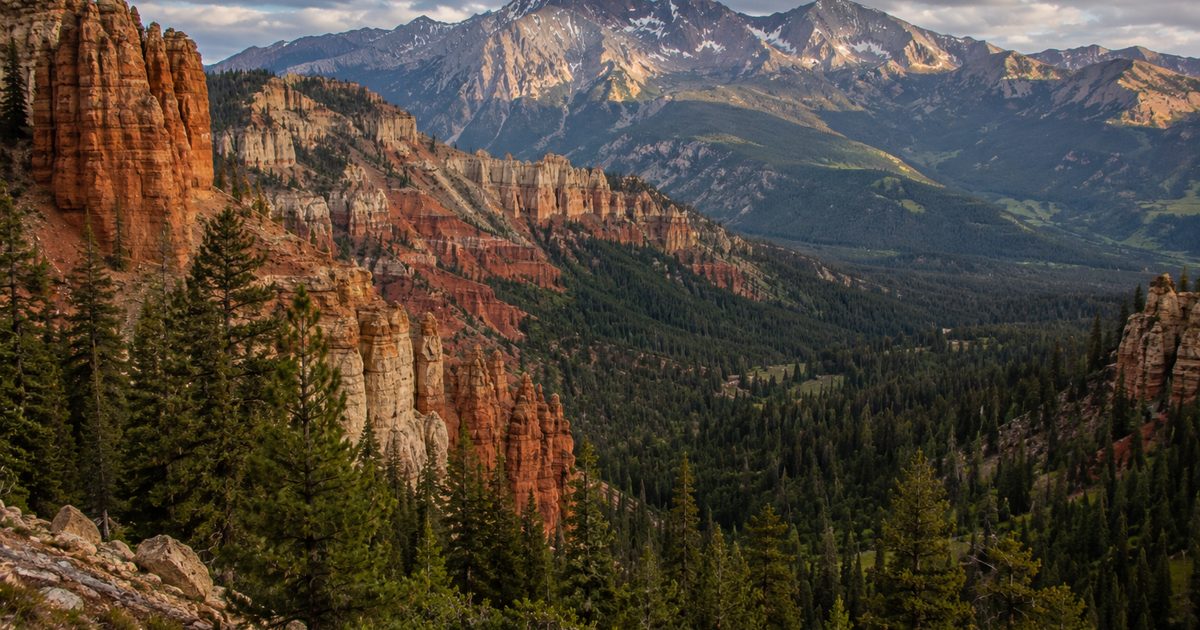
Disclaimer: Season dates, tag costs, and regulations change annually. Always verify current information directly with Utah Division of Wildlife Resources at wildlife.utah.gov before applying.
Utah doesn’t get the same marketing noise as Colorado or Wyoming, but among serious western hunters it occupies a distinct tier. The Henry Mountains produce mule deer with a genetic profile unlike anything else in the West. The Book Cliffs hold elk and pronghorn that require real commitment to reach. The San Juan country grows bulls that show up in record books more often than casual observers realize. And the once-in-a-lifetime species — bighorn sheep, moose — offer something no other state quite replicates in terms of raw trophy quality per tag.
What Utah trades for that quality is time. The draw system rewards patience, and nonresidents pursuing premium designations need to be realistic about the point investment required. But the strategy isn’t as simple as “accumulate and wait.” Utah has distinct mechanics — bonus points, points-only applications, once-in-a-lifetime rules, and limited nonresident quotas — that shape how to allocate years and money. Get the system wrong and you’ll wait longer than necessary for the wrong unit.
This guide covers each major species, the units that matter for nonresidents, and how to use Utah’s draw mechanics to your advantage.
The Utah Bonus Point System
Utah uses a bonus point system, not a pure preference point system. That distinction matters for how draws actually work.
Each year you apply unsuccessfully for a limited-entry tag, you earn one bonus point for that species. The draw then uses a weighted-random process — a hunter with 5 bonus points has roughly 25 times the drawing odds of a zero-point applicant (the system weights by the square of your points plus one, then randomizes within that pool). This is meaningfully different from Wyoming’s pure preference system, where top-point holders draw in strict order. Utah’s bonus point draw always preserves some probability for lower-point applicants, but that probability shrinks rapidly as point leaders accumulate.
Points-Only Application: Utah also offers a “points only” option — you pay a fee to purchase a bonus point for a species without applying for a specific tag. For elk, this runs approximately $65 for nonresidents. If you’re not ready to commit to a specific unit but want to build your point total, the points-only option lets you stay in the accumulation game without spending a draw attempt on a unit you’re uncertain about.
When you draw a tag, your bonus points reset to zero for that species. Choose your draw unit carefully — burning 12 points on a mid-tier unit when a premium unit was three years away is the mistake that costs most applicants the most time.
The February application deadline (typically mid-February) is one of the earliest in the West. Missing it means waiting a full year and losing a points cycle entirely.
Utah's February Deadline Is Earlier Than Most States
Utah’s limited-entry draw application window typically closes in mid-February — earlier than Arizona, Colorado, and Wyoming. Mark it as the first deadline of your application season. Build your unit research into January so you’re not scrambling when the portal opens in late December.
Utah Elk: Premium Units and What They Require
Utah produces some of the largest Rocky Mountain elk in the West. That’s not regional boosterism — it’s documented in Boone & Crockett entries, harvest reports, and the biological reality of isolated, well-managed herds with serious trophy potential. Several Utah units routinely produce bulls scoring 360–400+ inches, and the top designations are among the most coveted limited-entry elk tags in North America.
The Headliner Units
Henry Mountains (Units HM): The Henry Mountains elk herd is geographically isolated and subject to rigorous management. Utah DWR has treated the Henry Mountains as a trophy elk production zone for decades, keeping bull-to-cow ratios high and limiting total tag allocations sharply. The result is a herd with exceptional age structure and antler quality. This is one of the most coveted elk units in the country for nonresidents who’ve done their homework. Expect 18–25+ bonus points for NR rifle tags in the premium designations.
Book Cliffs (Units BC): The Book Cliffs stretch from eastern Utah into Colorado along one of the most remote terrain corridors in the West. Limited road access, vast canyon systems, and some of the lowest hunter-per-square-mile densities in Utah contribute to bulls that grow old. The hunting here isn’t easy — it rewards hunters with wilderness skills and a willingness to get far from any road. NR premium designations run 15–22 points depending on weapon type and specific hunt designation.
San Juan County (Units SJ): The San Juan drainage in southeastern Utah — cedar breaks, canyon systems, big open country at lower elevations — produces bulls with a different character than the high mountain herds. These elk live in country that looks and feels like mule deer habitat to hunters from the Mountain West, and accessing them requires understanding the terrain on its own terms. Quality units generally require 12–20 NR points.
Manti-La Sal (Units ML): The Manti-La Sal National Forest combines high alpine terrain with canyon-edge habitats in central and southeast Utah. This unit has historically been a producer of very large bulls, particularly for archery hunters who work the September rut in the high country. Point requirements for premium designations run 15–22 for NR applicants.
Central Utah mid-tier units: Several central Utah units — including areas around the Wasatch and Uinta ranges — offer quality elk hunting at more accessible point levels (8–15 NR points) while still producing above-average bulls. These represent realistic mid-term targets for nonresidents building a point base who don’t want to wait two decades before hunting.
Point Strategy for Premium Utah Elk
If your point total is between 8 and 14, run the Draw Odds Engine on mid-tier Utah elk units before defaulting to the Henry Mountains or Book Cliffs. A solid 20–25% success rate unit you can draw in two years often outperforms a 30% success rate unit that’s 8 years away — especially when you factor in accumulating tags in other states while you wait.
NR Elk Tag Costs
Utah nonresident elk tag costs depend on the hunt designation. A limited-entry bull elk tag runs approximately $700–$800 NR for the base license and tag combined, with some premium designated hunts carrying higher fees. Add the application fee (~$10) and any points-only fees paid over your accumulation period. The full cost to draw a premium unit — counting years of bonus point purchases — easily runs $1,500–$2,500+ before you set foot in Utah.
General Season Elk
Utah doesn’t have a true OTC system for elk the way Colorado does. Most quality elk hunting is limited-entry. Some general-season designations exist in lower-tier units but they’re not comparable to the premium limited-entry product. Most nonresidents come to Utah specifically for limited-entry tags.
Mule Deer: Utah’s Crown Jewel Species
Utah mule deer hunting competes with Colorado, Arizona, and New Mexico for the title of best in the West — and in specific units it wins that argument outright.
Henry Mountains Mule Deer
The Henry Mountain mule deer herd is genetically distinct from other Utah deer populations. Isolated by geography, managed with low tag allocations, and sitting on a landscape that produces exceptional antler growth, the Henry Mountains produce bucks that show up as outliers in harvest data across the entire West. A mature Henry Mountains buck routinely scores 200+ inches B&C. The unit receives a small number of NR tags — drawing here requires 10–18 bonus points depending on weapon and season, but the quality justifies the wait for hunters who want the best.
Book Cliffs Mule Deer
The Book Cliffs produces a different style of hunt. The terrain is brutal — canyon rims, steep drainages, immense distances between water and food — but deer here grow large and old because the country itself filters casual hunters. Spot-and-stalk from canyon rims is the primary tactic. NR draw odds vary, with premium rifle designations running 8–15 points.
San Juan County
The San Juan country holds mule deer in cedar and pinyon juniper habitat at lower elevations than the mountain units. Big-framed bucks are possible, particularly in areas with limited human pressure. The hunting style differs from high-country mule deer — more open desert, more truck-based glassing from terrain features, different thermals and daily movement patterns than what mountain mule deer hunters are used to.
Paunsaugunt Plateau
The Paunsaugunt Plateau in southern Utah, near Bryce Canyon, is a classic high-quality mule deer unit. Good buck age structure, mixed timber and open parks, and a long history of trophy production. NR premium designations require 8–14 points. The Paunsaugunt is worth understanding as a target if you’re in the 6–10 point range and considering where to commit your application.
NR mule deer tag costs run approximately $400–$500 for limited-entry designations. Apply through the DWR website by the February deadline.
Utah Mule Deer Application Strategy for New Applicants
If you’re starting your Utah point base from zero, apply for a mid-tier mule deer unit your first year rather than defaulting straight to the Henry Mountains. You’ll likely draw within 4–6 years in a solid unit, hunt real Utah terrain, and keep accumulating points for the premium draw simultaneously. Use the Preference Point Tracker to model your expected draw year for each unit tier.
Pronghorn: Book Cliffs Is the Address
Utah pronghorn hunting centers on one name: the Book Cliffs, specifically Unit 1. This unit produces pronghorn with exceptional horn length and mass, drawing consistent attention from trophy hunters who track records and harvest data. NR rifle tags in Unit 1 require approximately 8–14 bonus points depending on the specific designation and recent applicant pressure.
Other Utah pronghorn units offer draws at lower point requirements and good average quality — units in the west desert and central basin hold huntable pronghorn populations — but Unit 1 is what serious nonresidents target. The west desert units in Juab, Millard, and Tooele counties are legitimate near-term options for hunters who want a Utah pronghorn tag while they build points toward Unit 1.
Pronghorn tag costs NR run approximately $300–$400 for limited-entry tags. The pronghorn draw is separate from elk and deer — bonus points don’t transfer between species, and accumulating pronghorn points costs you nothing in the elk or deer draws.
Bighorn Sheep: The Once-in-a-Lifetime Opportunity
Utah bighorn sheep hunting is a true once-in-a-lifetime tag. Draw one desert bighorn or Rocky Mountain bighorn tag in Utah and you’re ineligible for another in that subspecies for life. The tag itself justifies that restriction — Utah’s desert bighorn units in the canyon country of southern Utah produce rams with world-class horn mass and curl.
The zero-point random draw: Some Utah bighorn sheep units are drawn through a pure random draw with no preference for high-point holders. Zero-point applicants have the same odds as hunters who’ve applied for 20 years in those specific designations. This random draw pool creates an opportunity for every NR applicant regardless of how long they’ve been in the system.
For these units, the calculus is simple: apply every year as a nonresident, even in year one. The odds per application are low (often 1–5% NR depending on the unit), but applying costs very little and the lifetime value of drawing is enormous. Don’t skip sheep applications waiting until you “have enough points” — random draw units don’t reward accumulation.
High-point units: Other bighorn designations do accumulate points. If your point total is substantial, targeting the premium units with highest ram quality makes sense. Check DWR’s current draw statistics annually before deciding where to apply.
NR bighorn tag costs run approximately $2,000–$2,500 depending on unit type — desert bighorn tags carry premium fees. Verify the current fee structure at wildlife.utah.gov before applying, as these fees change.
Once-in-a-Lifetime Tags Affect Multi-State Strategy
Drawing a Utah bighorn sheep or moose tag eliminates you from drawing the same species in Utah again for life. Before committing your points to a Utah once-in-a-lifetime application, compare Nevada, Arizona, and Idaho draw odds for the same species. You only get one shot at each — some states have more favorable NR odds for specific subspecies and it may make sense to prioritize one state’s draw over another’s.
Moose: Patient Accumulation Required
Utah moose tags exist in limited numbers. The northeast corner of Utah — the Uinta Mountains and the high country near the Wyoming border — holds a small but viable moose population. Tags are once-in-a-lifetime. NR draw odds are low, and point accumulation is the realistic path for most serious applicants. Expect 12–20+ years of accumulation before drawing in competitive units as a nonresident.
The good news: you can accumulate Utah moose points simultaneously while building your elk and mule deer applications. The point base isn’t expensive to maintain — apply points-only each February if you’re not ready to commit a specific unit. For hunters building a long-horizon western application portfolio, Utah moose is worth carrying as a background application year after year, even if you don’t expect to draw for a decade or more.
The NR Application Experience
Utah runs its draw with published statistics that make decision-making reasonably transparent. DWR publishes draw reports showing number of applicants, number of tags, and draw odds by applicant group each year. This data is the foundation for anyone making long-term allocation decisions.
Apply online at wildlife.utah.gov. The portal lets you check your current bonus point balance, review hunt codes, and submit your application before the February deadline. Utah accepts first-choice and alternate-choice applications — specify your priority order carefully, as the system works through your choices in sequence.
Residency requirements: You must purchase a Utah hunting license as part of the application. The NR license fee is approximately $65 and is required even if you don’t draw a tag.
Draw results typically come out in late May, with successful applicants notified by email and through the online portal. Tags that go unfilled in the initial draw may be available in a second-draw or over-the-counter clearance process — check DWR’s website after primary results post for leftover availability.
The 10% nonresident cap: Utah limits nonresidents to 10% of available tags in most species and units. When DWR publishes overall draw odds for a unit, those numbers reflect all applicants. Your actual odds as a nonresident compete only for the 10% pool, which can be meaningfully worse than the headline figure suggests. Always check the nonresident-specific draw odds — the Draw Odds Engine breaks down resident vs. nonresident figures for Utah units.
Building a Utah Strategy
Utah rewards hunters who think across multiple species simultaneously. Most serious nonresidents run parallel applications — elk and mule deer at a minimum, with pronghorn and bighorn added as point bases develop. The February deadline forces you to decide everything at once, which means your unit research needs to be done in January.
| Species | Premium NR Draw (Pts) | Realistic Mid-Tier (Pts) | Approx. NR Tag Cost |
|---|---|---|---|
| Elk (Henry Mtns, premium) | 18–25+ | 8–15 | ~$700–$800 |
| Mule Deer (Henry Mtns) | 10–18 | 5–10 | ~$400–$500 |
| Pronghorn (Unit 1) | 8–14 | 3–7 | ~$300–$400 |
| Bighorn Sheep | Varies / random draw available | — | ~$2,000–$2,500 |
| Moose | 15–25+ | — | ~$1,000–$1,500 |
All figures are approximate and subject to annual change. Verify at wildlife.utah.gov before applying.
Start your Utah point base as early as possible — every February deadline you miss is a year you don’t recover. Use the Draw Odds Engine to check current NR odds by unit and species, and the Preference Point Tracker to model your draw timeline across multiple states. Utah isn’t the fastest draw in the West, but the quality at the end of the wait is real.
Next Step
Check Draw Odds for Your State
Tag-level draw odds across 9 western states — filter by species, unit, weapon, and points. Free to use.
Get the Insider Edge
Join hunters getting exclusive draw odds data, gear deals, and weekly hunt planning tips.
Related Articles
Arizona OTC Archery Deer 2026: Unit Limits and Closures
Arizona's OTC archery deer season opens August 21, 2026 — and units close the moment harvest limits fill. Here's every unit's limit, plus the best bets by real archery success rates.
Colorado OTC Elk in 2026: What Changed for Nonresidents
Colorado eliminated unlimited nonresident OTC archery elk west of I-25 for 2026 — and Gunnison rifle tags went draw-only. Here's exactly what's still on the shelf and how to hunt this fall anyway.

Colorado Reissue Licenses: How to Grab Returned Elk Tags
Every Wednesday through fall, CPW sells back surrendered limited licenses — including elk tags nonresidents can't get any other way in 2026. Here's the Tuesday-Wednesday ritual that actually lands one.
No comments yet. Be the first to share your experience!