Wyoming Red Desert Mule Deer: The OTC Trophy Hunt Nobody Talks About
The Wyoming Red Desert holds mature mule deer bucks on a landscape most hunters drive through to reach the mountains. General OTC tags, no draw required, and bucks that regularly push 170-190 B&C in the open sage country.

Most hunters driving I-80 between Rock Springs and Rawlins are thinking about the mountains. They’re doing 80 mph through 6 million acres of high-desert basin and thinking about the Winds, or the Snowy Range, or wherever they’re headed. They’re not stopping. The Red Desert looks like nothing from the highway — flat sagebrush, alkali pans, a few low ridges that barely register.
But the mule deer living in that sagebrush country are some of the most underappreciated trophy bucks in the West. General OTC tags, available to nonresidents. No draw. No preference points. Buy the tag online and drive to Wyoming.
That’s the whole pitch.
Why the Red Desert Produces Big Bucks
Three things work in the Red Desert’s favor, and they stack.
First: low hunting pressure. The majority of Wyoming’s nonresident mule deer hunters chase mountain units — Bighorns, Winds, the Bridger-Teton country. The Red Desert looks like a consolation prize from the outside. That perception keeps pressure low, which means bucks that survive to six and seven years of age without getting hammered by foot traffic.
Second: enormous home ranges. Desert mule deer in the Red Desert basin country move seasonally across home ranges far larger than mountain deer. They don’t concentrate into predictable drainage systems the way mountain deer do. You have to find them — and that’s exactly the barrier that keeps most hunters away.
Third: plant productivity. The sagebrush-grassland community in the Red Desert is more biologically productive than it looks. The shrub diversity, forb communities, and mineral content of the soils here supports antler mass that surprises hunters coming in expecting scrubby desert deer. These aren’t scrubby desert deer.
The Units
The Wyoming Red Desert is primarily in Sweetwater and Carbon counties, running south of Lander toward the Colorado border. General deer hunt areas that cover the productive Red Desert country include Hunt Areas 62, 63, 68, and 69. The southern Red Desert draining toward the Green River and the northern approach from the Great Divide Basin both hold deer populations.
Hunt Area 62 is the core of this country — Sweetwater County, BLM land, the Great Divide Basin on the north end feeding into the more classically flat Red Desert terrain to the south. Areas 63 and 68 cover the Carbon County transition zones where the desert meets the lower flanks of the Sierra Madre.
Wyoming also has limited-entry Red Desert units that draw with preference points and produce significantly bigger bucks — consistently above 185 and pushing 200 B&C in a good year. The general tag country is the entry point. But if you like what you find here, the limited units are worth stacking points for simultaneously.
The Great Divide Basin Is Underrated General Tag Country
The area around the Great Divide Basin — where the Continental Divide splits and loops around a watershed that doesn’t drain to either ocean — holds some of the most productive general-tag mule deer terrain in southern Wyoming. The isolated basins within the Great Divide area hold mature bucks with minimal foot pressure. Most hunters don’t recognize what this country looks like on a topo map. That’s the advantage.
General Tag Mechanics
Wyoming nonresident general deer licenses run $351 for 2026. Over-the-counter purchase, available online through the Wyoming Game and Fish Department. No preference points, no draw, no application deadline to miss. The general tag is valid across multiple general hunt areas, including the Red Desert units described above.
The Wyoming general deer season runs through October and into November. That’s the detail that matters most. Red Desert mule deer rut timing runs late October into mid-November — later than mountain deer by two to three weeks. The combination of a general OTC tag and a rut that hits after most mountain hunters have already packed out makes this one of the most overlooked late-season opportunities in western deer hunting.
The math is simple. Buy a general tag in September. Hunt the rut in November. You’re doing a late-season western mule deer hunt with no draw, no points, and a $351 nonresident tag. That’s not a thing you should ignore.
Finding Deer in Open Country
Red Desert mule deer hunting is a vehicle-and-glass game. Drive to high points, set up with binoculars and spotting scope, locate deer at distance, then execute a stalk across open terrain. The desert floor has more structural features than it appears from the highway — dry washes, rimrock edges, low ridge systems, alkali swales, and subtle terrain breaks that mature bucks use for bedding cover.
Learn to read edges on a topo map. Deer don’t bed in the middle of open flats. They bed in the subtle concavities, the dry wash banks, the low rimrock shelves that give them a downhill view with wind working from above. Glass those terrain features systematically rather than scanning randomly across open country.
The most productive scouting approach is covering miles by vehicle in the first day or two, identifying where deer are present, then targeting specific terrain pockets. Red Desert country is too large to grid on foot — vehicles and quality glass do the work first. Your legs close the final distance.
Stalking in Open Desert Requires Patience
The Red Desert has no trees and minimal cover for human movement. Stalking requires patience and disciplined terrain management — use every wash, rock formation, and sagebrush swell to stay below the skyline. A buck bedded in a shallow wash is invisible from 400 yards but can see you moving from 600 yards against a ridge. Glass slowly, plan the full stalk before moving, and don’t start until you’ve identified every step of the approach.
The Rut Opportunity
Red Desert mule deer rut timing is the strongest card this country holds. Late October to mid-November, bucks are on their feet during daylight hours, covering ground between doe groups. They’re visible. In open desert terrain with long sight lines, a rutting buck covering two miles of country in a morning is findable in ways that a September buck bedded in timber simply isn’t.
Hunters who specifically target the November 1-15 window in the Red Desert consistently find bucks that are focused on breeding rather than predator avoidance. Your scent control and stalk execution still matter. But the deer are working with you in terms of visibility and daytime movement rather than against you.
Mountain rut timing typically peaks late September to mid-October for most Wyoming units. Red Desert deer run two to four weeks later. That means you’re hunting after mountain pressure has cleared, in country that most hunters have already left for the season. November in the Red Desert is genuinely quiet compared to September in the Winds.
Limited-Entry Alternative
Wyoming’s limited-entry Red Desert units — including portions of Hunt Areas 62, 64, and 66 — draw with preference points and produce a different class of deer than the general tag country. Premium limited units in this region regularly produce 185-200+ B&C animals, with exceptional bucks above that in good years.
The Wyoming preference point system is more manageable than states like Utah or Nevada. Point accumulation for Red Desert limited-entry units is faster than for the most contested mountain limited units — worth tracking if the general tag hunt gets you interested in the country. Apply for the general area first, learn the terrain, and stack points for limited-entry simultaneously.
The Draw Odds Engine has Wyoming limited-entry draw threshold data by hunt area. Run the Red Desert units against your current Wyoming point total to see where you stand.
Flat-Shooting Calibers and a Good Rangefinder
Desert mule deer shots run 300-500 yards regularly, with no mountain terrain to close the distance. A 6.5 Creedmoor, .280 AI, 7mm Remington Magnum, or .300 Win Mag zeroed at 200-250 yards covers what the Red Desert presents. Pair it with a quality rangefinder — a 400-yard shot that you’ve ranged and solved is a responsible shot; a 400-yard estimate is something else. Bring more water than you think you need. October and November desert hunting is drier than any mountain hunt you’ve done.
Access and Logistics
Most of the Wyoming Red Desert is BLM land with road access that’s better than the terrain reputation suggests. The BLM Rock Springs Field Office manages the majority of this country and publishes current road condition information. Check it before driving any two-track in wet weather — desert clay roads deteriorate fast and dry slowly.
Rock Springs and Rawlins are the supply towns. Rock Springs has better fuel, grocery, and lodging options for hunters working the central and western Red Desert. Rawlins covers the eastern Carbon County units. The interstate access off I-80 makes logistics straightforward — you’re never more than an hour from a real town.
Primitive camping is free throughout BLM land in the Red Desert. No fee sites, no permits, no reservation system. Drive in, set up, hunt. This hunt doesn’t require the planning infrastructure of a backcountry expedition. You need a reliable 4WD vehicle, quality glass, water, and food. That’s it.
The general OTC tag is the lowest-barrier western mule deer hunt available. A nonresident hunter with a new Wyoming license and a general deer tag can be glassing Red Desert bucks within hours of arriving. The lack of complexity is the point.
The Case for Going
Most western mule deer hunting that produces 170-190 B&C bucks requires either a long-odds draw or a guided hunt on private land. The Red Desert produces those animals on general OTC tags, BLM land, with a tag that costs $351 and requires no draw application or preference point accumulation.
The tradeoff is difficulty of a different kind. Finding mature desert bucks requires more patience and more miles than hunting a predictable mountain drainage. The terrain looks empty until you understand how to read it. First-time Red Desert hunters often struggle to locate deer, not because the deer aren’t there, but because desert glassing requires a different eye than mountain hunting.
That learning curve is what keeps this hunt underutilized. It’s also what keeps the bucks there.
Check the Wyoming draw odds data and buy the general tag. Target the November rut window. Glass systematically from the terrain high points. The mature bucks are there — they’ve been there every year while everyone else drove past on the interstate.
Sources & verification
Seasons, license fees, application windows, and draw structure for Wyoming change every year. Always verify the current details against the official Wyoming agency before applying or hunting.
- Wyoming Game & Fish Department — wgfd.wyo.gov
Next Step
Check Draw Odds for Your State
Tag-level draw odds across 9 western states — filter by species, unit, weapon, and points. Free to use.
Get the Insider Edge
Join hunters getting exclusive draw odds data, gear deals, and weekly hunt planning tips.
Related Articles
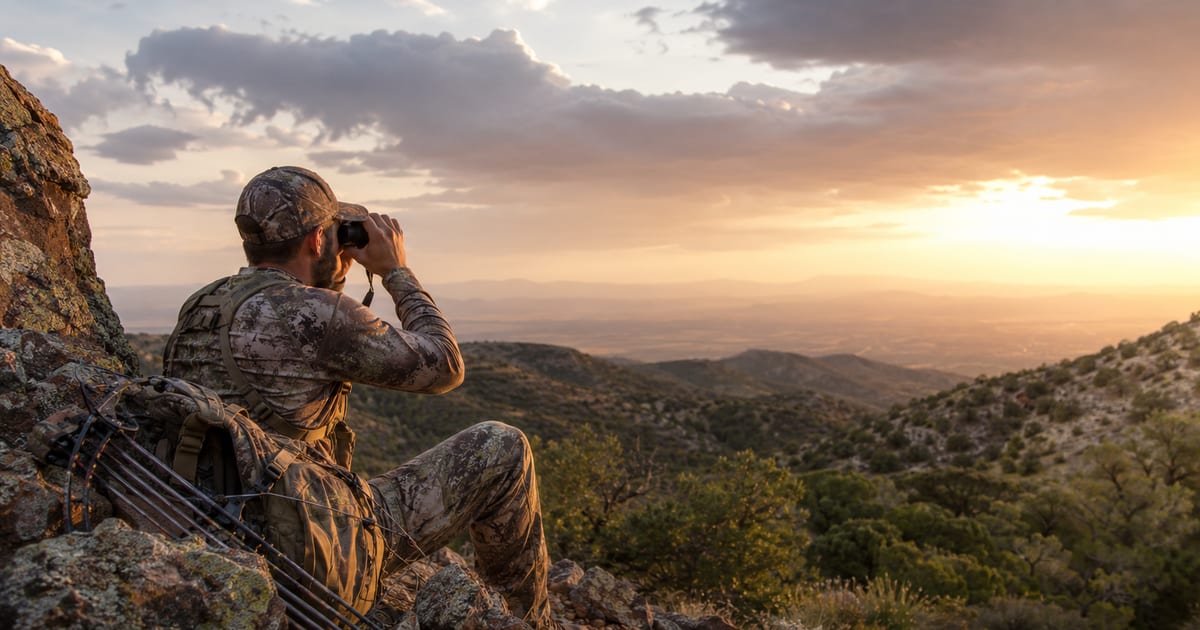
Arizona OTC Archery Deer 2026: Unit Limits and Closures
Arizona's OTC archery deer season opens August 21, 2026 — and units close the moment harvest limits fill. Here's every unit's limit, plus the best bets by real archery success rates.
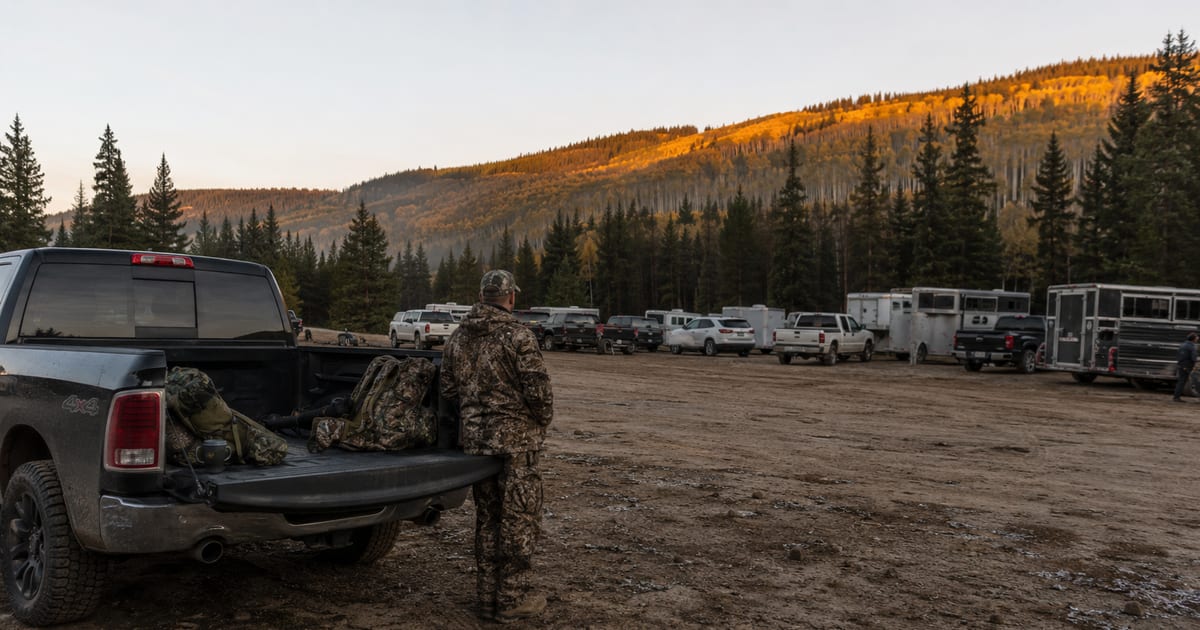
Colorado OTC Elk in 2026: What Changed for Nonresidents
Colorado eliminated unlimited nonresident OTC archery elk west of I-25 for 2026 — and Gunnison rifle tags went draw-only. Here's exactly what's still on the shelf and how to hunt this fall anyway.
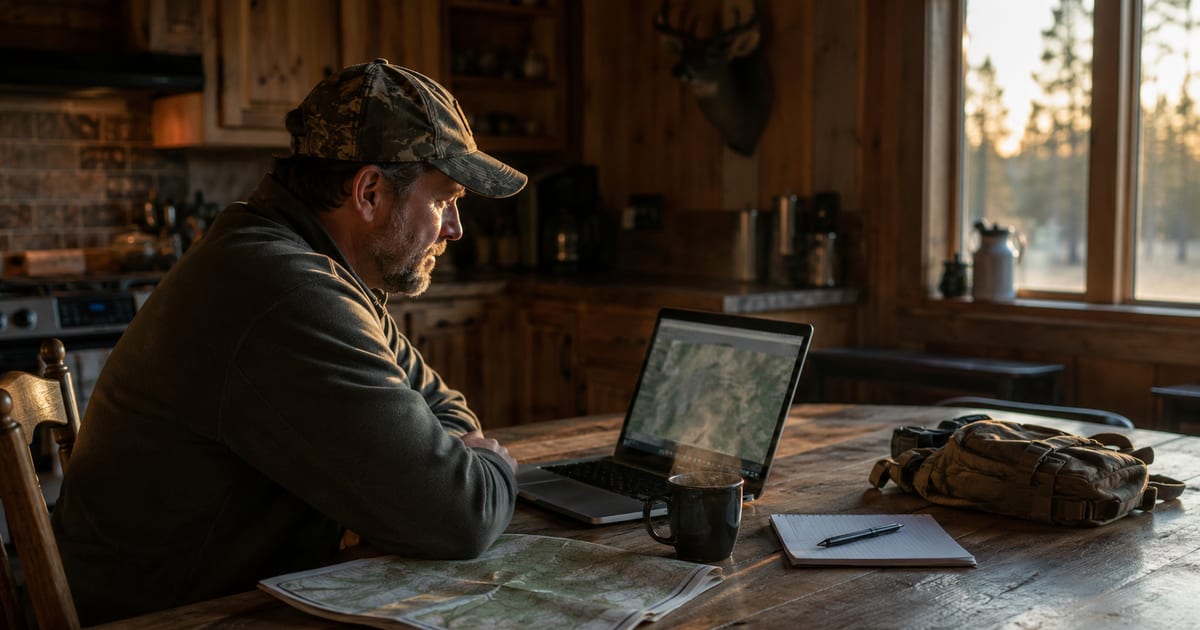
Colorado Reissue Licenses: How to Grab Returned Elk Tags
Every Wednesday through fall, CPW sells back surrendered limited licenses — including elk tags nonresidents can't get any other way in 2026. Here's the Tuesday-Wednesday ritual that actually lands one.
No comments yet. Be the first to share your experience!