Pre-Rut Elk Hunting: The Week Before the Rut Explodes
The pre-rut window is one of the most underused phases in elk hunting. Here's how to locate bulls transitioning from summer range, read early sign, and tag out before the crowds arrive.
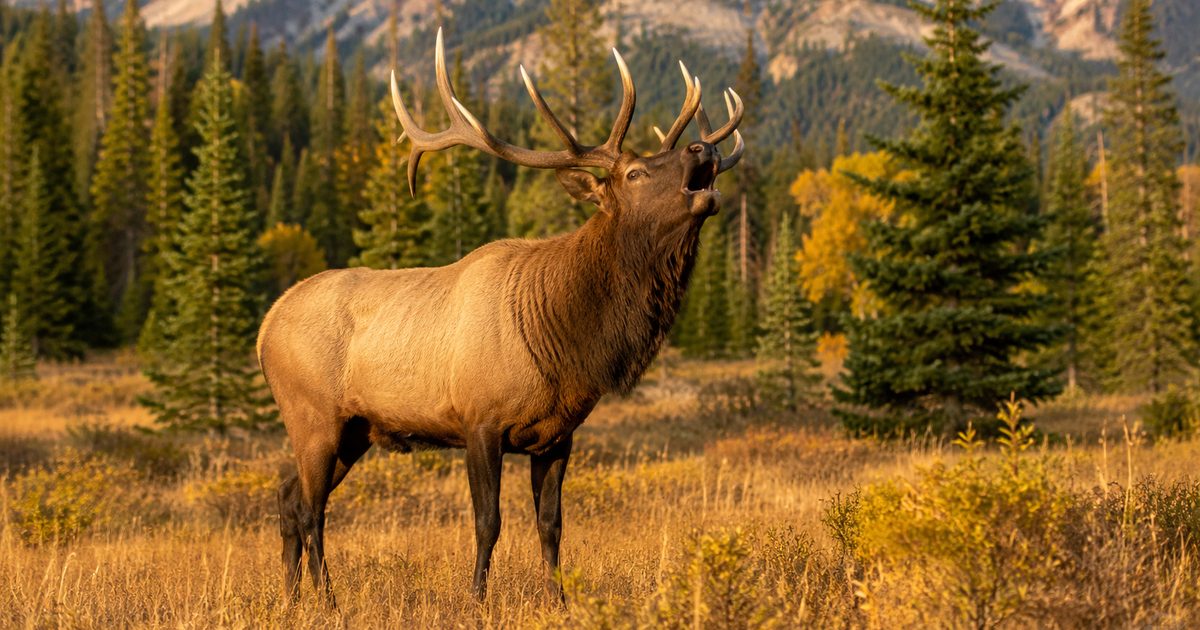
Every elk hunter knows about the rut. The full-blown, hard-bugling, cow-chasing chaos of mid-September draws hunters from across the country. Archery tags fill, camps crowd the trailheads, and every drainage in the unit gets pressure simultaneously. It’s spectacular hunting — when it works.
The week before all that? Almost nobody’s there.
The pre-rut window — roughly the last two weeks of August through Labor Day weekend — sits in a strange gap between summer scouting and peak rut. Bulls are transitioning. They’re not in full breeding mode yet, but they’re not in their predictable summer bachelor behavior either. The hunters who understand what’s happening during this transition, and who target it specifically, often have their best archery encounters of the season before September even really begins.
What’s Happening to Bulls in Late August
Bulls spend most of summer in bachelor groups. They’re in high country, in areas with good feed and thermal cover, often on north-facing slopes and subalpine parks. The velvet antlers are growing fast, the bulls are fat and relatively calm, and they’ve established familiar travel patterns over months of use. That predictability is a hunting asset.
Everything starts shifting in late August. The velvet begins to dry. You can see it in photos — the antlers start to look dull and ragged rather than smooth and velvety. Velvet shed typically runs from mid-to-late August depending on latitude and elevation, and it can happen over just a few days. A bull that shed velvet two days ago looks dramatically different than the same bull in full velvet.
When velvet comes off, the bachelor dynamic starts breaking apart. Bulls that tolerated each other through summer suddenly begin displaying aggression — light sparring, posturing, rubbing on trees. Their necks start swelling slightly. They’re not in rut, but the hormonal shift is underway. The testosterone rise that will produce the full rut is beginning its buildup, and you can see behavioral evidence of it in the field well before the first bugle of the season.
This is also when bulls begin making rubs. Fresh rubs on aspen and fir in late August, with wet-looking bark and fresh chips on the ground, tell you a bull has separated from his summer group and is starting to establish a home range for the rut season.
Why Most Hunters Ignore This Window
Most archery elk hunters target the first or second week of September when bugling is expected to be consistent. The pre-rut gets skipped for a few reasons — bulls aren’t bugling reliably yet, the heat is still a factor, and there’s a sense that you’re hunting “too early.” That mindset costs hunters real opportunity.
Bulls in late August are still in summer patterns, which means they’re predictable. You know where they’ve been feeding. You know their travel corridors. The bachelor groups haven’t fully scattered yet, so glassing locates multiple bulls in the same area. And the hunting pressure that blankets a unit by mid-September simply doesn’t exist during the pre-rut — you’re hunting elk that haven’t been educated yet.
The trade-off is calling. Pre-rut bulls won’t fire up to aggressive bugling and cow calls the way a hard-rutting bull will in mid-September. A hunter who walks in with a bugle and starts ripping away is going to blow encounters instead of close them. Pre-rut elk respond to different approaches, and adapting your tactics to the transition period is what makes it productive.
Pre-Rut Bulls Require a Soft Touch
Don’t call pre-rut bulls like it’s mid-September. Aggressive bugling and loud cow calls will educate bulls that aren’t ready to fully commit. Start with soft chirps, mews, and contact calls at low volume. Let curiosity do the work — pre-rut bulls will often ease toward a soft call rather than charge in the way a hard-rutting bull might.
The Vocalization Sequence: What You’ll Hear
The sound landscape of pre-rut elk is different from peak rut, and recognizing those differences helps you understand what phase the bulls are in and how to respond.
In the final days of August, you’ll hear calf calls and cow mews rather than bugles. Elk herds maintain contact through soft chirps and light cow calls throughout the year, and this is the dominant vocalization in the pre-rut. A herd moving through timber in early morning sounds like quiet bird calls rather than the dramatic bugling sequence of September. That soft contact calling is also a productive call to mimic — it doesn’t alarm bulls, it announces the presence of elk, and it draws in curious animals.
The first deep chuckles begin in early September. A chuckle is the low-frequency start of a bugle — the “wuh-wuh-wuh” before the high-pitched scream. It indicates a bull that’s beginning to feel rut pressure but hasn’t fully committed yet. When you start hearing consistent chuckling during morning and evening hours, the transition to full rut is close — usually 5 to 10 days out.
True bugling in the pre-rut is spotty. A bull might bugle once or twice in the evening, establish his position, and go quiet. The consistent hard bugling that covers a whole drainage doesn’t typically happen until does begin cycling into estrus. Don’t be discouraged by quiet mornings in late August — that quiet is actually an indicator that you’re ahead of the pressure curve.
Locating Pre-Rut Bulls
This is where the pre-rut holds its biggest advantage. Bachelor groups are still relatively intact, bulls are still using summer range, and the areas they’ve occupied for two months are known quantities.
Start with your scouting data from July and early August. If you found a bachelor group of bulls on a north-facing subalpine park at 9,800 feet during summer, there’s a reasonable chance those bulls are still in that area in late August. They don’t suddenly relocate to rut country — they transition gradually, and for much of late August they’re still within their summer range while starting to feel the first rut pressure.
Glassing is more productive in the pre-rut than at any other point in archery season. Pre-rut bulls are still making feeding movements in morning and evening, and they haven’t yet been pushed into the heavy timber by hunting pressure. A good vantage point above summer feeding areas in the last 90 minutes of daylight can reveal multiple bulls in one observation session. Glass the open parks and meadow edges first, then work the timber breaks where bulls are starting to make rubs and wallow.
Once velvet is fully shed — typically by September 1 in most western states — bulls begin moving to traditional rut areas. The bachelor groups disperse, and bulls that were together all summer start showing up in different drainages. If your summer bachelor group evaporates in early September, don’t panic. It means the bulls are transitioning toward their own rut areas, which you can locate by following the fresh sign.
The Wallow Tactic
Pre-rut wallows are one of the most productive hunting setups in early season elk hunting. Wallows aren’t exclusive to the rut — bulls use them year-round — but the pre-rut wallowing behavior is specific and creates patterns you can hunt.
In late August and early September, pre-rut bulls are rolling in wallows and urinating in them. The urine-soaked mud is a scent marking behavior that accelerates as testosterone rises. A fresh wallow — wet, pungent, with clear hoof prints from an animal that got fully soaked — is active sign. The difference between an old, dried wallow and a fresh one used that morning is obvious within 10 feet.
Bulls tend to wallow in the mornings, not evenings. This runs counter to the general wisdom that evening is the best time for wallow setups. Pre-rut bulls are often still warm from nighttime activity and will hit a wallow on the way back from feeding areas in the first few hours of morning light. Set up downwind before dawn, keep calling minimal, and wait. A bull that arrives at a wallow is committed — he’s not scouting the area, he’s coming to use it.
Morning Is Wallow Time in Pre-Rut
Set up on a fresh pre-rut wallow before first light and stay until mid-morning. Pre-rut bulls hit wallows in the morning hours as they transition from night feeding back toward bedding areas. Evening wallow setups work better during peak rut when bulls are marking territory throughout the day.
Water Sources in Dry Units
Western September is often hot and dry. In units where natural water is sparse — much of the Great Basin, the drier parts of New Mexico and Arizona, eastern Oregon — pre-rut bulls hit water sources with remarkable predictability.
A bull that’s feeding, wallowing, and transitioning into rut behavior is metabolically active and needs water daily. In dry country, if there are only a handful of reliable water sources in a unit, the bulls will concentrate on them. Evening water visits are the most predictable movement — bulls that bedded in heavy timber during the midday heat typically rise in late afternoon and move toward water before the last hour of light.
The setup here is straightforward. Find the water. Find fresh tracks and sign around it. Set up downwind of the trail coming in, at a distance where a broadside shot opportunity exists. Don’t overcall — water setups work on patience and thermals management, not aggressive calling.
Wind and Thermals in Early Season Heat
This is where pre-rut elk hunting gets technically demanding. Late August and early September in the mountains means hot afternoons and cold nights, which produces dramatic thermal shifts throughout the day.
Thermals rise with warming air from roughly 30 minutes after sunrise until about 2 hours before sunset. During rising thermals, your scent goes uphill. Any setup below a bedding or feeding area will broadcast your scent directly into it as the morning warms. Calling setups on elk that are above you in warming morning conditions almost always fail — the elk smell you before they respond.
As thermals shift — typically around 3-4 PM as temperatures begin dropping — the air movement becomes unstable and briefly unpredictable before falling thermals establish in the evening. This 30-45 minute window is when hunting is most difficult. The wind does what it wants, often pulling scent in multiple directions simultaneously. Experienced hunters either hold their position and minimize movement during this window or relocate to a neutral setup where they can control their scent cone regardless of direction.
Evening thermals fall — your scent goes downhill. Setups above elk in the evening work. Know your terrain, know where downhill is for any setup you’re making, and position yourself so that your scent falls away from the elk rather than into them.
Thermal Shifts Will Kill Your Setup
The thermal shift from rising to falling (3-5 PM in most mountain terrain) is the most dangerous time to be positioned below elk you’re trying to call. If you’re in a setup that depends on uphill rising thermals and the shift happens before the elk are in range, your scent will funnel directly into them. Plan a retreat route or alternative setup for when the air goes unstable.
Recognizing the Shift to Full Rut
The transition from pre-rut to full rut is one of the most dramatic behavioral changes in North American hunting. It doesn’t happen on a specific date, but the signs are unmistakable when they appear.
The first indicator is consistent hard bugling in the morning. Pre-rut bulls bugle sporadically and briefly. When you start hearing bulls bugle for 30 minutes straight at dawn, answering other bulls, and bugling unprompted throughout the morning, the rut is on. This typically begins in the first week of September in most western units, though high elevation drainages can see it a week earlier.
The second indicator is cow movement. When does begin cycling, their behavior changes — they’re more restless, moving more during midday, and attracting frantic attention from satellite bulls. If you’re watching a herd and the cows are calm and feeding normally, you’re still pre-rut. If a bull is actively herding cows, keeping them together, and chasing off rivals, you’re in full rut.
The third indicator is bull aggression. Pre-rut bulls spar lightly and posture. Full rut bulls fight hard — you’ll hear antlers crashing through timber if two bulls lock up nearby. That sound carries a long way and is one of the more exciting sounds in elk hunting. When you hear it, you’re in the rut.
The transition matters tactically because calling mechanics change. The soft, patient approach that works in the pre-rut becomes less effective once bulls are fully fired up. Hard bugling, aggressive cow calls, and raking branches produce a very different response from a hard-rutting bull than they do from a pre-rut animal still transitioning. Recognize where you are in the sequence and adapt.
Putting It Together
The pre-rut isn’t a consolation prize for hunters who couldn’t get a September 10 tag. It’s a legitimate, often underrated opportunity that plays to a specific set of skills — scouting, reading sign, managing thermals, and calling patiently rather than aggressively.
Find bulls in their summer range before the opener. Locate fresh wallows and check them regularly in the week before your hunt. Set up on water in dry country during evening hours. Build your understanding of the thermal patterns in your specific terrain before you’re sitting in a calling setup with a bull 80 yards out.
The rut will be loud and chaotic when it arrives. But the week before it? That’s hunting on your terms, in country that hasn’t been pressured, with bulls that are curious, patternable, and not yet educated. Get there early.
Next Step
Check Draw Odds for Your State
Tag-level draw odds across 9 western states — filter by species, unit, weapon, and points. Free to use.
Get the Insider Edge
Join hunters getting exclusive draw odds data, gear deals, and weekly hunt planning tips.
Related Articles

Arizona Elk Calling: September Archery
September archery elk in Arizona means calling. Here's the practical guide to bugles, cow calls, and the timing that produces bulls.
Arizona Hound Hunting Regulations Guide
Arizona hound hunting for bear and lion requires specific permits and tags. Here's the complete regulatory guide for 2026.

Arizona Shed Hunting: Rules & Season Guide
Arizona has specific rules on shed antler collecting. Here's the complete guide to the season, the ethics, and the most productive areas.
No comments yet. Be the first to share your experience!