Oregon Hunting Guide: Elk, Deer, Pronghorn, and the Bonus Point System
Oregon is one of the few western states where you can hunt every year without a draw. Here's what you need to know about OTC deer and elk, Roosevelt elk, bonus points, and the June deadline most hunters miss.
Disclaimer: Season dates, tag costs, and regulations change annually. Always verify current information directly with Oregon Department of Fish and Wildlife at dfw.state.or.us before applying.
Oregon doesn’t get the same internet coverage as Arizona, Colorado, or Wyoming. That’s a benefit for hunters who pay attention. Oregon is one of the few western states where a nonresident can show up and hunt elk or deer every single year without ever entering a draw — buying an over-the-counter tag the same way you’d buy a fishing license. That fact alone sets Oregon apart from almost every other state in the West.
At the same time, Oregon has limited draw tags for premium species and units that require bonus point investment. The system is layered: OTC hunting for near-term access, controlled hunts for the best tags. Understanding both layers is what makes Oregon work as a long-term hunting strategy.
The Bonus Point System
Oregon uses bonus points for controlled hunt draws, but the mechanics differ from Wyoming’s pure preference system. Oregon runs a weighted random draw. Each bonus point a hunter holds generates additional entries in the draw pool — you’re not guaranteed a tag at a specific point threshold, but your probability increases with each year of accumulation. A hunter with five points gets more entries than a hunter with zero, but zero-point hunters can still draw in any given year.
This system has an important implication: Oregon doesn’t offer the predictability of a Wyoming-style guaranteed draw after X years. You can’t say “I’ll draw Unit 59 elk at eleven points” the way you can project Wyoming draws. What you can say is that your odds improve meaningfully each year, and that sustained accumulation eventually makes premium draws very likely.
Oregon also allows bonus point banking without applying for a tag — you can purchase a point-only application each year to stay in the system without committing to a hunt. For nonresidents building a multi-year strategy, this keeps the door open while you focus draws in other states.
Oregon's June Deadline Is Later Than You Think
Oregon’s controlled hunt application typically closes in mid-June — later than Colorado, Wyoming, Nevada, and most other western states. Multi-state hunters who’ve already submitted applications in April and May sometimes forget to loop back for Oregon. Put a May 15th reminder on your calendar so Oregon doesn’t fall through.
The OTC Advantage
Oregon’s over-the-counter tags are the state’s most underused feature among nonresidents. General season deer and elk tags are available OTC for nonresidents in Oregon, which means you can hunt the state in any year you choose — no draw, no waiting, no points required. That’s a rare thing in the modern West.
The tradeoff is that OTC tags cover general season hunting in the general season units, not the premium controlled units that hold the biggest bulls and bucks. OTC elk hunting in Oregon means hunting units that are also open to every other tag holder who shows up. Pressure exists. But pressure on public land in Oregon’s vast eastern units is a different thing than pressure in a heavily hunted Colorado OTC unit — Oregon’s square mileage is large and the hunter density in the back country is genuinely manageable.
For hunters who want to hunt elk every year — not just the years they draw a tag — Oregon is the answer. Bank bonus points for the premium controlled hunts, and hunt OTC every year in between.
Roosevelt Elk: A Different Animal Entirely
The Oregon Coast Range elk is not the same species you’re hunting when you chase Rocky Mountain elk in Colorado or Wyoming. Roosevelt elk are the largest elk subspecies in North America. A mature Roosevelt bull weighs more than a Rocky Mountain bull and carries a rack with distinctly different character — heavier beams, denser tines, often less spread but more mass.
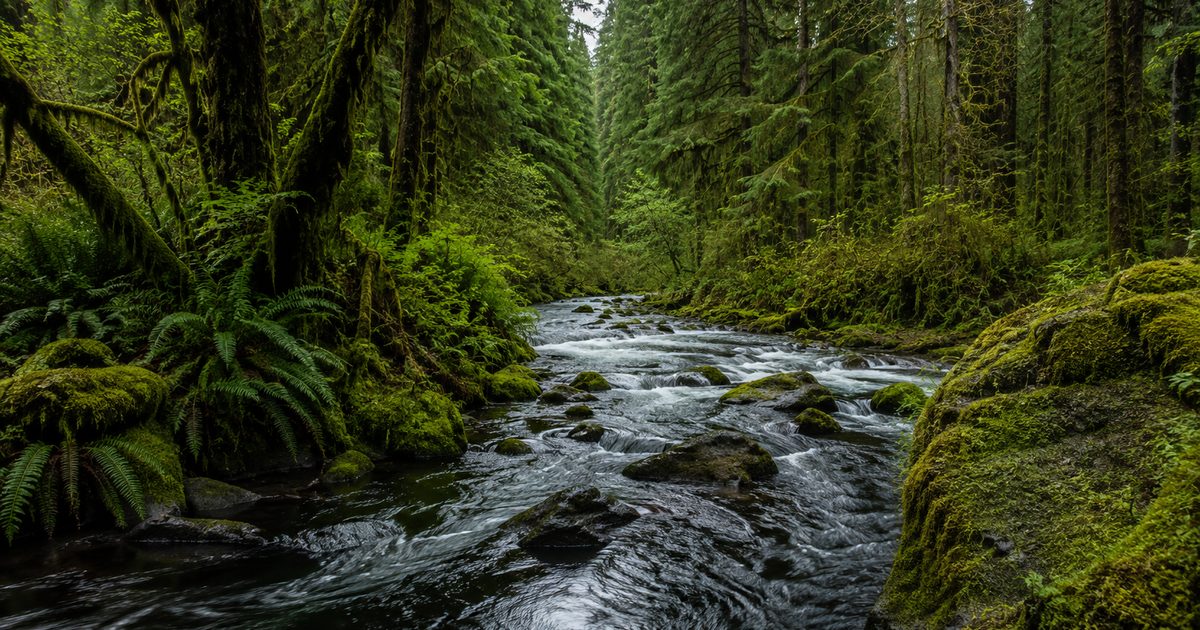
Roosevelt elk live in the wet, dark, heavily timbered country of the Oregon Coast Range, the Cascade foothills, and into Washington. They’re timber elk. They move differently from open-country Rocky Mountain elk, use terrain differently, and call differently during the rut. The hunting is dense cover work: short-range encounters, bulls that materialize and disappear in the fog and timber, hunting measured in yards not hundreds of yards.
One thing hunters who’ve only chased Rocky Mountain elk need to know: Roosevelt elk are scored under a separate Boone and Crockett category from Rocky Mountain elk. A big Roosevelt bull that would look modest under Rocky Mountain scoring standards may be a legitimate record-class animal under the Roosevelt category. They’re judged on mass, density, and overall character rather than the long tine length that drives Rocky Mountain bull scores.
Roosevelt and Rocky Mountain Elk Score Differently
If you’re scoring a Roosevelt elk against B&C minimums, make sure you’re using the Roosevelt elk score sheet — not the American elk (Rocky Mountain) sheet. A 290-inch Roosevelt bull is a phenomenal animal in its category. Don’t evaluate Coast Range bulls against Rocky Mountain benchmarks or you’ll misjudge what you’re looking at.
Rocky Mountain Elk: Eastern Oregon’s Premium
Eastern Oregon’s Rocky Mountain elk country is centered on the Wallowa Mountains and the Blues. The Wallowas are a genuine wilderness mountain range in the northeast corner of the state — granite peaks above 9,000 feet, remote drainages, and elk that don’t see consistent pressure the way Colorado public land bulls do.
The Wallowa units (the controlled hunt units in the Unit 59 and 60 area) are the premium Rocky Mountain elk address in Oregon. These hunts require bonus point accumulation and draw in limited tag numbers. The tradeoff for the point investment is access to high-quality bull habitat in genuine wilderness terrain. Hunters who draw these tags and put in the physical work can encounter world-class bulls.
The Blue Mountains and Ochoco Mountains in north-central Oregon offer a different flavor of eastern Oregon elk hunting — lower elevation, more accessible by vehicle, but still holding legitimate elk populations across large blocks of national forest and BLM land. These units have stronger OTC hunting options than the Wallowas and provide a realistic near-term hunting target for nonresidents.
Unit selection in eastern Oregon matters more than the state average suggests. Use the draw odds engine to compare controlled hunt odds across units before committing your bonus points to any single application.
Mule Deer: Steens Mountain and the High Desert
Oregon mule deer hunting peaks in the high desert of the southeast — specifically in the Steens Mountain complex and the Hart Mountain area. Steens Mountain is an enormous fault block rising from the Alvord Desert, a remote and dramatic landscape where the deer quality regularly surprises hunters who haven’t researched it.
Steens mule deer can produce exceptional bucks. The combination of sparse hunting pressure (the terrain self-selects for committed hunters), quality sagebrush habitat, and restricted access in some units creates the conditions for bucks to reach maturity. The limited draw hunts in the Steens area draw serious mule deer hunters from across the West.
OTC mule deer hunting is available in general season units across eastern Oregon. A nonresident can put a general deer tag in their pocket and hunt the vast Oregon high desert every season without waiting for a draw. The hunting takes research and boot leather — big bucks in open country require spot-and-stalk commitment and the patience to cover ground before you find what you’re looking for.
Western Oregon holds blacktail deer in the Coast Range, which is a third subspecies distinct from both mule deer and whitetail. Blacktail hunting in the dense timber of the Coast Range is short-range, terrain-driven hunting — a different experience from high desert mule deer and worth pursuing on its own terms if you’re hunting the western side of the state.
Glass Heavy for Oregon High Desert Mule Deer
In Steens Mountain and Hart Mountain country, you’ll cover more ground glassing than walking. A quality 10x42 or 12x50 binocular with a tripod adapter, paired with a 60–80mm spotting scope, is the minimum kit for hunting big bucks in this terrain. Find the deer from distance before you make your approach — stumbling around in open country burns opportunities fast.
Pronghorn: Underappreciated Odds
Oregon pronghorn hunting is genuinely undersubscribed by the nonresident hunting community. The eastern Oregon units — primarily in Lake County, Harney County, and Malheur County in the southeast — hold legitimate antelope populations that don’t draw application pressure comparable to Wyoming or Montana.
Oregon pronghorn runs through the controlled hunt draw with bonus points. Draw odds in many units are reasonable for nonresidents with one or two points. The tag allocation is limited compared to Wyoming’s massive pronghorn program, but the quality is there, and the competition for tags is lower than hunters from more saturated draw states expect.
Oregon pronghorn season typically runs in late August, placing it in excellent weather for the high desert. The open country hunting is straightforward spot-and-stalk — the challenge is finding good bucks and executing on the shot, not navigating complex terrain.
Bighorn Sheep: Wallowas and Hells Canyon
Oregon’s bighorn sheep program focuses on Rocky Mountain bighorn in the Wallowa Mountains and Hells Canyon country. These are genuine Rockies bighorn in spectacular terrain, and the tag allocation is extremely limited — a handful of tags in most hunt areas in any given year.
Bonus points for bighorn sheep accumulate on the same weighted random draw system as other Oregon species. Nonresident odds are very low in any given year but improve with sustained point banking. For most nonresidents, Oregon sheep is a long-odds application you run alongside your priority hunts rather than the centerpiece of your annual strategy.
Hells Canyon specifically — the deepest river gorge in North America on the Idaho-Oregon border — holds both Rocky Mountain bighorn and California bighorn in different sections of the canyon. The landscape is as dramatic as any sheep country in the West, and a tag in the Hells Canyon units is a legitimate once-in-a-lifetime hunt.
Nonresident Costs
Oregon nonresident license fees and tag costs are meaningful but not extreme by western state standards. A nonresident hunting license runs approximately $150. Elk tags vary by hunt type — general season elk tags are available OTC at roughly $500–$600 for nonresidents. Controlled hunt tags for premium species add to that base. Budget your full Oregon hunt cost before you apply, including license, tag, and any controlled hunt fees.
The OTC option means your total licensing cost is predictable from year one. You don’t need to build a multi-year point investment before your first Oregon elk hunt — you can go this year if you choose.
Oregon as a Portfolio State
Oregon fits into a western hunting portfolio differently than most states. It’s not the highest-ceiling option for any single species — Wyoming produces more consistent record-class mule deer, Colorado has more elk, Nevada has its own appeal. What Oregon offers that most states don’t is annual access.
A hunter who draws Utah deer tags one year, Arizona elk the next, and hunts Oregon OTC elk every year they’re not in those premium draws is running a smarter portfolio than one who waits three years between hunts accumulating points everywhere. Oregon keeps you hunting.
The strategy looks like this: buy Oregon OTC elk tags every year you can get away. Build bonus points for Wallowa controlled hunts over a five to seven year window. Apply for Steens mule deer and eastern Oregon pronghorn in years when those fit your schedule. Over a decade, Oregon should produce multiple elk, at least one premium controlled hunt for deer or pronghorn, and potentially a bighorn or pronghorn controlled tag. That’s a serious body of hunting from a state most nonresidents haven’t prioritized.
Use the preference point tracker to keep your Oregon bonus point applications on schedule alongside your other western state draws. The June deadline is easy to forget when it falls after all the other major state deadlines.
Check current draw odds for Oregon controlled hunts at prohunt.com/draw-odds/oregon/.
Next Step
Check Draw Odds for Your State
Tag-level draw odds across 9 western states — filter by species, unit, weapon, and points. Free to use.
Get the Insider Edge
Join hunters getting exclusive draw odds data, gear deals, and weekly hunt planning tips.
Related Articles
Arizona OTC Archery Deer 2026: Unit Limits and Closures
Arizona's OTC archery deer season opens August 21, 2026 — and units close the moment harvest limits fill. Here's every unit's limit, plus the best bets by real archery success rates.
Colorado OTC Elk in 2026: What Changed for Nonresidents
Colorado eliminated unlimited nonresident OTC archery elk west of I-25 for 2026 — and Gunnison rifle tags went draw-only. Here's exactly what's still on the shelf and how to hunt this fall anyway.
Colorado Reissue Licenses: How to Grab Returned Elk Tags
Every Wednesday through fall, CPW sells back surrendered limited licenses — including elk tags nonresidents can't get any other way in 2026. Here's the Tuesday-Wednesday ritual that actually lands one.
No comments yet. Be the first to share your experience!