Planning a Bighorn Sheep Hunt: How to Prepare for a Once-in-a-Lifetime Tag
You've waited 15-20 years for a bighorn sheep tag. Here's how to use the next 1-2 years to be physically ready, gear up correctly, scout effectively, and decide whether to hire an outfitter — so you don't waste the tag of a lifetime.

You applied for sheep every year for two decades. You built points, watched the odds, recalculated the math, and told yourself the day would come. Now the letter arrived — or the email, or the notification in your state portal — and the tag is real. You have one shot at this. A single rocky mountain bighorn tag in a lifetime of applying.
The next 12 to 24 months are the most important preparation you’ll ever do for a hunt. Here’s how to use them.
The Weight of the Wait
There’s a specific psychology that comes with a bighorn tag after 15 or 20 years. Most hunters feel two things at once: pure elation and immediate dread. The elation is obvious. The dread is quieter — a sudden awareness that this tag has to go well, that there are no second chances, that the version of yourself who’s been imagining this hunt needs to become the version who actually completes it.
That pressure is real, and it does strange things to planning decisions. Some hunters overbuy gear. Some underprepare physically and tell themselves they’ll get in shape on the hunt. Some hire the first outfitter they find because the anxiety makes them want to close the decision loop.
The antidote is a structured timeline with clear milestones. Treat it like a project, not a wish.
The Physical Demand Is Not Exaggerated
Sheep hunting is the most physically demanding hunting in North America. That’s not a motivational cliché — it’s a logistical fact about the terrain sheep live in.
On a typical sheep hunt, you’re covering 12 to 15 miles per day in steep, broken country at elevations between 10,000 and 13,000 feet. Daily elevation gain of 3,000 to 5,000 feet is normal, not exceptional. You’ll be wearing a 40-pound pack, navigating loose talus and cliff bands, and doing this for 7 to 14 days. A bad knee that slows you down for deer season can end a sheep hunt on day two.
The hunter who draws a sheep tag and isn’t physically prepared doesn’t just have a harder experience. They have a fundamentally different hunt from the one they imagined. Lower country gets glassed. Rams that require a serious approach get passed. The best days on the mountain happen at the top, and you have to earn your way up there every morning.
Don't Wait Until Spring to Start Training
Eighteen months of preparation sounds like plenty of time, but hunters who start a real fitness program six months before their hunt almost never reach the physical standard sheep hunting demands. Start 18 months out, not six. The training adaptation you need — cardiovascular capacity, loaded hiking endurance, joint strength — takes time to build and can’t be rushed.
The Preparation Timeline
Two years out: Get a physical. Have bloodwork done, check blood pressure, and get a referral for anything structural — hips, knees, shoulders. Identify your specific weaknesses before you start training around them.
Eighteen months out: Begin serious, structured training. This means loaded hiking 3 to 4 times per week, starting with 20 pounds and working up to 45. Cardiovascular work — not just hiking, but sustained Zone 2 cardio 4 to 5 days per week — builds the aerobic engine sheep country demands. If you’ve never trained with purpose before, hire a trainer for the first 90 days to build the program correctly.
Twelve months out: You should be doing full pack weight on technical terrain. If your unit has analog country nearby — steep, loose, high elevation — train there. A weekend backpacking trip at full pack weight is a better test of your preparation than any gym metric.
Six months out: Physical training continues, but now gear testing starts in earnest. Everything gets used, adjusted, and replaced if it doesn’t work. Nothing new goes in the pack the week of the hunt.
Three months out: Scouting trip if you haven’t gone already. Final gear shakeout. If you’re going guided, you should be in regular communication with your outfitter by now.
Gear Selection for Sheep
Weight matters more at 12,000 feet than it does at 7,000 feet. Every ounce you carry above treeline costs energy that doesn’t come back. That’s the starting point for every gear decision on a sheep hunt.
Your shelter needs to handle wind. Mountain weather above 10,000 feet can produce 60 mph gusts with no warning, and a tent that works fine on a canyon deer camp will fail spectacularly in sheep country. Look for four-season or mountaineering shelters with a strong pole geometry — double-wall construction, guy-out points, and a vestibule that doesn’t collapse under load.
Optics are non-negotiable at this level. Bighorn sheep live in country where you glass for hours to find animals, and where shot distance can exceed 400 yards. A good spotting scope — 80 to 85mm objective, angled eyepiece, quality glass from Swarovski, Leica, or Vortex Razor — is as important as your rifle. Don’t bring the spotting scope you use for deer season and tell yourself it’ll be fine.
Layering systems for sheep need to handle cold, wind, and hard physical exertion within the same hour. A merino base, a grid-fleece midlayer, and a wind-hardshell that can pack to fist size will take you through more conditions than a heavier system that gets left in camp because you didn’t want to carry it.
Boot Fit Is the Single Most Important Gear Decision
On a 14-day sheep hunt with 12-mile days, bad boots will end your hunt faster than bad fitness. Get your sheep boots fitted by a specialist — not a general outdoor retailer, but a shop that understands high-load mountain terrain. Break them in for six months of actual hiking before the hunt. Bring a second pair of boots. Bring more blister prevention than you think you need.
Scouting Your Unit
Start scouting your unit 1 to 2 years before the hunt. Most hunters who draw late-season tags have been applying long enough that they knew their target unit before they drew — if that’s you, start building your knowledge base now.
Google Earth is the first tool. Study the terrain, identify the cliff bands, locate water sources, find the saddles and benches where rams typically feed in the morning. Cross-reference with your state’s wildlife agency reports — habitat assessments, herd surveys, and unit management reports are often public documents. Some states publish harvest statistics broken down by unit that tell you where rams are being killed, which is a direct indication of where rams exist.
A pre-season scouting trip — ideally the summer before your fall hunt — is worth every dollar it costs. A week in your unit in August, glassing and identifying individual animals, is preparation that no amount of satellite imagery replaces. You learn the terrain with your feet, you identify the approach routes that actually work, and you locate the groups of rams that are most likely still in that country come September.
Talk to Previous Tag Holders
Many state agencies can connect you with past successful hunters in your unit, and most are willing to share general information about where they hunted and what conditions they encountered. A 30-minute phone call with someone who killed a ram in your unit two years ago is worth more than days of internet research. Ask about the terrain, the typical weather, and what caught them off guard.
Guided vs. DIY
For a once-in-a-lifetime tag, this is the most consequential decision you’ll make.
A guided sheep hunt costs $15,000 to $30,000 or more on top of your tag and travel. That’s a real number. But consider what you’re buying: an outfitter who has horses or mules for camp logistics, a guide who knows your specific unit and knows where the rams are, a camp setup in the best location for your hunt area, and the accumulated knowledge of multiple previous sheep hunts in that exact terrain.
DIY sheep hunts succeed. Hunters do it every year. But the success rate on DIY sheep hunts is meaningfully lower than on guided hunts — and on a tag you waited 20 years for, that gap matters.
The strongest argument for going guided: if you’re a deer hunter and elk hunter who has never navigated 12,000-foot mountain terrain for two weeks, a guided hunt doesn’t just improve your odds, it makes the hunt survivable. Not every hunter is physically or logistically equipped to run a DIY sheep hunt their first time in serious mountain country.
When evaluating outfitters, look for unit-specific experience. An outfitter who has guided 40 sheep hunts in Wyoming but has never worked your Arizona unit isn’t a meaningful advantage. References from hunters who have used them in your specific unit carry more weight than general reputation. Ask for kill rates and average ram quality. Ask what percentage of their hunters fill their tags. Ask about camp logistics — horses, base camp vs. spike camp, and how they handle weather.
The Emotional Reality
Twenty years of imagining a hunt creates expectations that the mountain doesn’t know about. The rams don’t cooperate on schedule. Weather moves in on day 4 and pins you in camp. The big ram you glassed on the scouting trip doesn’t show for the first week.
Every sheep hunter who has done this says the same thing afterward: the hunt was different from what they imagined, and better. The days that went wrong produced the stories they still tell. The physical difficulty was more than they expected, and so was the satisfaction.
Go ready to be flexible. Go ready for hard days. Go ready for the hunt to be its own thing, separate from the version in your head.
You earned this tag. Now you have to earn the hunt.
Start Now
The worst outcome isn’t failing to kill a ram — it’s arriving underprepared and physically unable to reach the country where the rams are. That outcome is entirely preventable with 18 months of honest preparation.
Make the fitness timeline. Start the scouting research. Make the guided vs. DIY decision with clear eyes. Get the gear sorted a full season before the hunt, not the week before.
The tag is in hand. Everything else is execution.
Next Step
Check Draw Odds for Your State
Tag-level draw odds across 9 western states — filter by species, unit, weapon, and points. Free to use.
Get the Insider Edge
Join hunters getting exclusive draw odds data, gear deals, and weekly hunt planning tips.
Related Articles
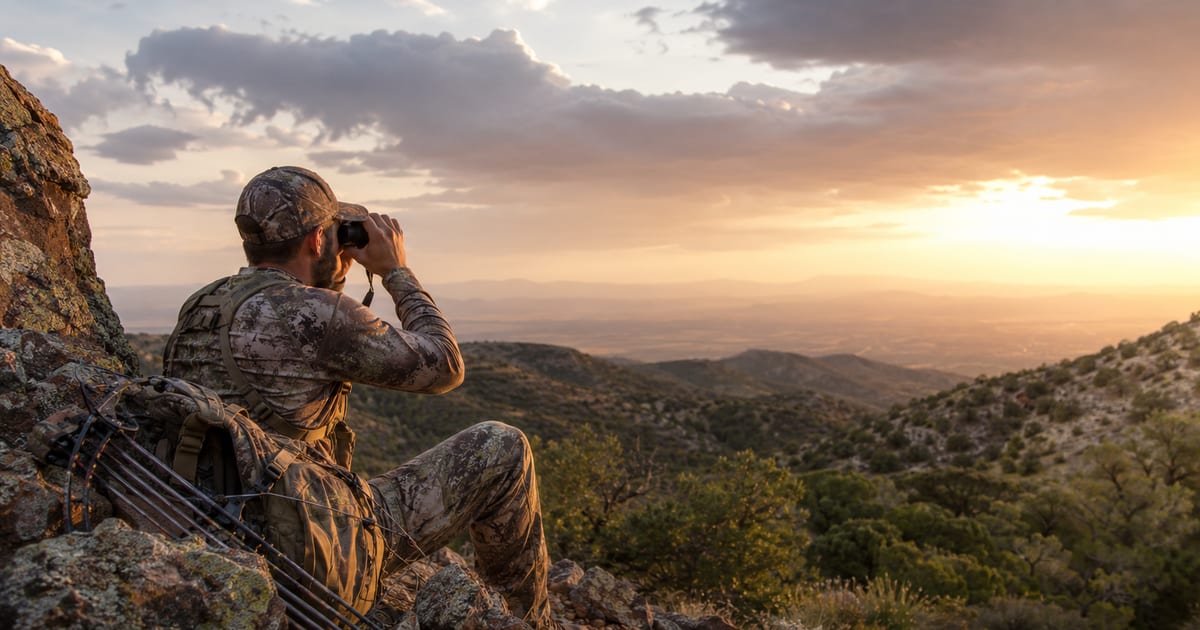
Arizona OTC Archery Deer 2026: Unit Limits and Closures
Arizona's OTC archery deer season opens August 21, 2026 — and units close the moment harvest limits fill. Here's every unit's limit, plus the best bets by real archery success rates.
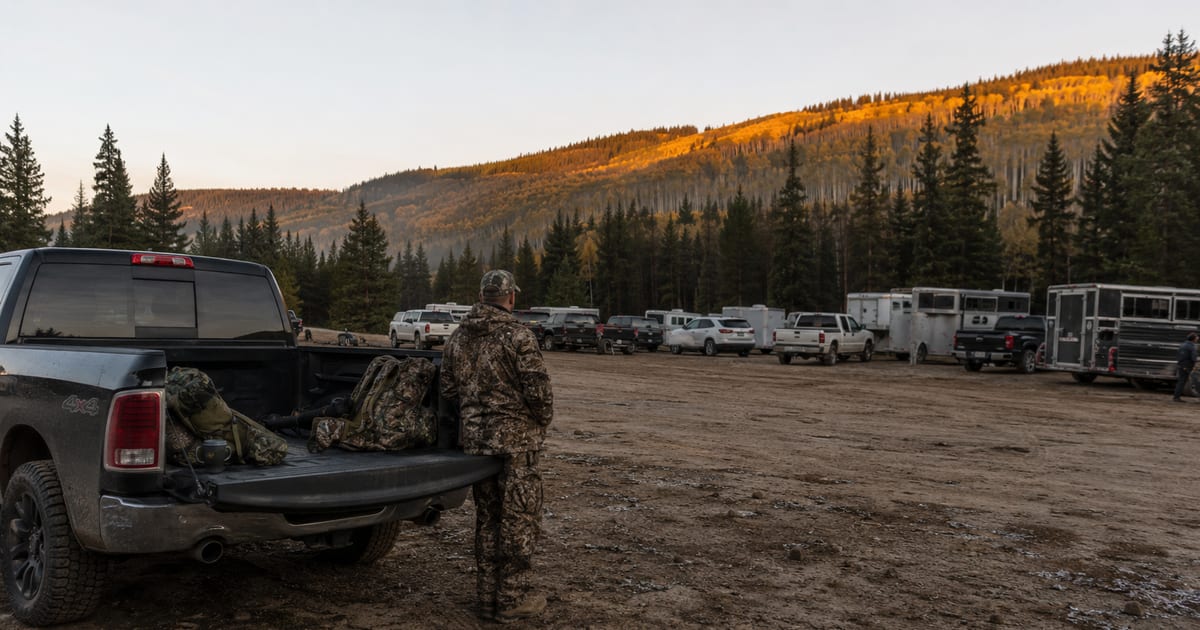
Colorado OTC Elk in 2026: What Changed for Nonresidents
Colorado eliminated unlimited nonresident OTC archery elk west of I-25 for 2026 — and Gunnison rifle tags went draw-only. Here's exactly what's still on the shelf and how to hunt this fall anyway.
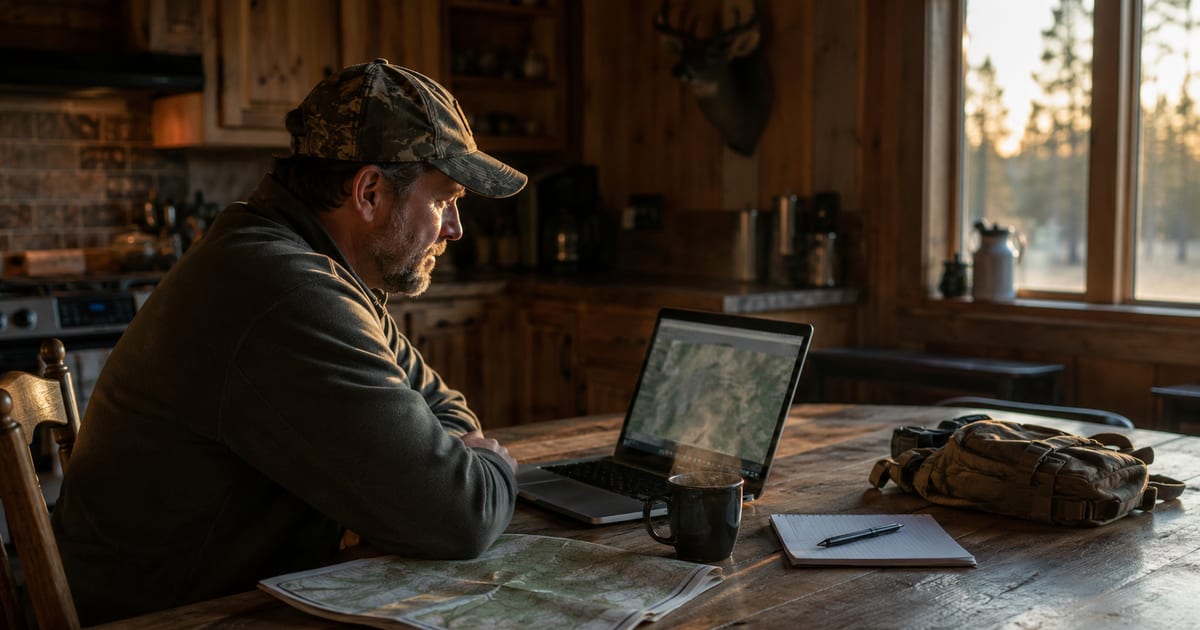
Colorado Reissue Licenses: How to Grab Returned Elk Tags
Every Wednesday through fall, CPW sells back surrendered limited licenses — including elk tags nonresidents can't get any other way in 2026. Here's the Tuesday-Wednesday ritual that actually lands one.
No comments yet. Be the first to share your experience!