New Mexico Valles Caldera and Jemez Mountains Elk Hunting Guide
The Valles Caldera National Preserve runs a separate lottery permit system and produces exceptional bulls thanks to low pressure and rich volcanic grasslands. Here's how to get in and what to expect.
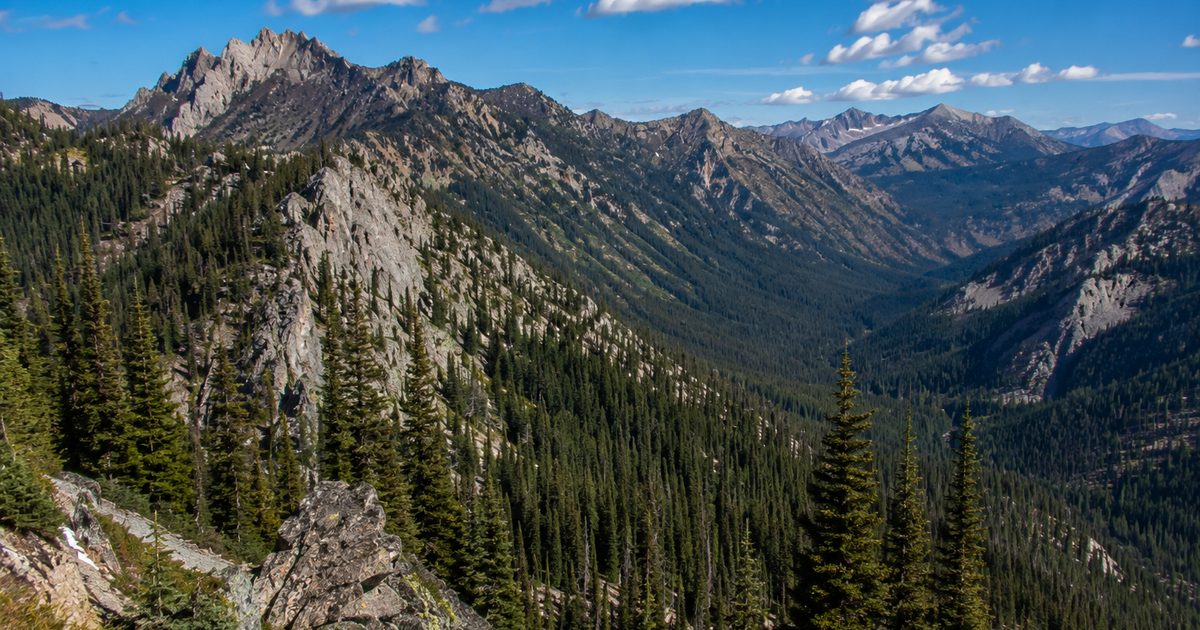
There are maybe a handful of places in the lower 48 where you can look across open grassland and count forty elk in a single glassing session. The Valles Caldera National Preserve in north-central New Mexico is one of them. It’s a 90,000-acre volcanic caldera sitting at 8,000 to 11,000 feet elevation, ringed by the Jemez Mountains, and managed under a permit system that limits hunting pressure in ways most public land simply can’t match.
The caldera isn’t a typical public land experience. You can’t just show up with an OTC tag and start hunting. Access is lottery-controlled, the hunt itself is structured differently than anything offered by the New Mexico Department of Game and Fish, and the bulls inside the preserve have had years to develop without facing the pressure that hammers most New Mexico elk country. If you haven’t put the Valles Caldera on your radar, it belongs there.
What the Valles Caldera Actually Is
The Valles Caldera National Preserve is a federally managed preserve administered by the National Park Service. It’s not a national forest and it’s not BLM land — it has its own enabling legislation and its own permit system. The caldera was formed by a massive volcanic eruption roughly 1.25 million years ago, which left behind an enormous bowl of rich volcanic soil that grows exceptional grass. That grass feeds elk year-round and supports body and antler development that flat-out outpaces what most Rocky Mountain units can offer.
The caldera sits at the center of the Jemez Mountains, with the Santa Fe National Forest wrapping around it on all sides. The preserve itself is almost entirely open grassland and meadow, ringed by ponderosa and mixed conifer forests on the higher slopes. Elk move freely between the preserve interior and the surrounding forest, which matters for understanding the fall hunting season.
Valles Caldera Uses a Separate Permit System
Valles Caldera hunting permits are NOT part of the New Mexico Department of Game and Fish draw system. They’re issued directly by the National Park Service through a separate lottery. You apply on the NPS recreation website, not through the NMDGF portal. Applying for one doesn’t affect your NMDGF preference points in any way, and vice versa.
The Permit System: How to Apply
The Valles Caldera operates a lottery-based permit system with a limited number of hunting days available each season. Here’s how it works:
Application window: The NPS typically opens applications for Valles Caldera elk hunts in spring, usually March through May for fall hunts. Watch the preserve’s official website and recreation.gov for the exact open window each year.
Hunt types available: The preserve offers archery, muzzleloader, and rifle hunts for elk. Each season type has its own separate lottery, so you can apply for multiple seasons in the same year without conflict. Bull and antlerless tags are separate pools.
Party size: Most hunts are structured as guided or semi-guided experiences where preserve staff provides access escort — they don’t guide you to animals, but they manage your entry, staging, and movement within the preserve. This is part of what makes the experience different from any other public land hunt.
Application cost: The application fee is modest compared to NMDGF draw applications. Tag fees, if you draw, are set by the NPS and have historically been competitive with or below what NMDGF charges for comparable bull tags.
Draw odds: Because the Valles Caldera is relatively unknown compared to NMDGF units, draw odds for archery and some muzzleloader hunts can be surprisingly achievable. Rifle bull tags are harder, but if you apply every year you’re not building up the multi-year point deficit you’d accumulate in the NMDGF system.
Why Bulls Here Are Different
Limited hunting pressure is the obvious answer, but the volcanic soil story matters too. The Jemez caldera floor is dramatically more nutrient-rich than most of the surrounding mountain terrain. Grasses grown in volcanic soil carry higher mineral content, and elk that spend summer and early fall on that feed develop antlers that reflect the difference.
A mature Valles Caldera bull isn’t unusual at 320-360 gross score. The preserve’s bulls see far fewer hunters than elk on adjacent Santa Fe National Forest land, which means more animals reach full maturity — typically 6.5 to 8.5 years old, ages when elk antlers are at their peak. Hunters who draw a bull tag here should be holding out for a mature animal. You’re not shooting the first spike or raghorn that walks by.
| Tag Type | Realistic Avg Bull Score | Mature Bull % | Notes |
|---|---|---|---|
| Archery | 290-330 | 50-65% | Rut calling possible; September timing |
| Muzzleloader | 300-340 | 55-70% | Mid-September; overlap with rut staging |
| Early Rifle | 310-350 | 60-75% | Pre-rut patterns; bulls patternable on grass |
| Late Rifle | 290-340 | 55-70% | Post-rut; bulls beat up but still quality |
These are informed estimates based on preserve harvest reports and available hunter survey data. Individual hunts vary — a tough weather year or a bad rut can shift everything.
Apply for Archery First — Best Odds and Best Rut Timing
Archery applications for the Valles Caldera draw fewer applicants than rifle, which means better odds. September archery season also overlaps with peak rut activity inside the caldera when bulls are vocal and aggressive on the open grassland flats. If you can shoot a bow, archery should be your first application priority here.
What the Hunting Experience Looks Like
The Valles Caldera hunting experience is unlike anywhere else in New Mexico, and that’s not hyperbole. Here’s what to expect:
Staging and access: Hunters check in at the preserve entrance and are oriented to the area they’ll be hunting. The preserve manages daily hunter numbers carefully — you won’t pull into a trailhead and find 30 other trucks.
The terrain: Once you’re inside the caldera bowl, you’re hunting open volcanic meadow that’s unlike anything on the surrounding national forest. The glassing is phenomenal. You can set up on a ridgeline and watch two miles of flat meadow in front of you, counting bulls as they feed. In September before the rut peaks, bulls will be in bachelor groups on the grass flats every morning.
The forest edge: Elk don’t just live in the open. Ponderosa park country on the caldera rim and the mixed conifer on upper slopes above 9,500 feet hold bedded bulls through the middle of the day. Morning and evening hunting focuses on the meadow edges and the ponderosa parks where elk feed before retreating to timber.
Pack-out: The open terrain is a serious advantage for retrieval. A bull on the caldera floor is dramatically easier to pack out than an animal killed in a steep canyon on the Santa Fe National Forest. Bring good game bags and plan for at least two trips if you’re on foot.
The Fall Migration Out of the Caldera
One of the most important dynamics for hunters to understand is what happens in late October and November. As temperatures drop and the caldera floor gets hit by early snow, elk start shifting out of the preserve interior and down into the adjacent Jemez Mountains national forest.
This migration matters for two reasons. First, it means late-season hunters on the preserve may see fewer animals than early-season hunters, even though the preserve is still open for hunting. Second — and this is the important part for your broader New Mexico strategy — it means that hunters who draw NMDGF tags in adjacent units like 6A or 6B can catch preserve elk that have migrated onto national forest land in late season. These are caldera-raised animals. They carry the same genetics and the same quality you’d find inside the preserve, and they’re suddenly on public land where any tag holder can hunt them.
The Adjacent Jemez Mountains: NMDGF Tags
The Santa Fe National Forest around the caldera — primarily Game Management Units 6A and 6B — offers its own elk hunting under the NMDGF draw system. These units don’t produce caldera-class bulls consistently, but they carry a significant population of elk, the public land is accessible, and the terrain is huntable.
GMU 6A runs draw hunts for bull elk with moderate point requirements. Nonresidents can realistically expect to draw a bull tag in the 5-10 year range depending on the season type. GMU 6B is similar, with some OTC opportunity during archery season that gives hunters access to this country without any point investment.
Hunters who build NMDGF points for these units while simultaneously applying for Valles Caldera permits each year are covering both bases intelligently. You might draw the caldera first. You might draw a NMDGF tag while waiting. Either way, you’re hunting the Jemez Mountains elk country and gaining terrain knowledge that translates directly if you ever get inside the preserve.
Optics Are Your Primary Tool Here
The Valles Caldera is a glassing-first destination. Open meadows mean you’ll be identifying and evaluating bulls from 400-800 yards before you commit to a stalk. Bring a quality 10-12x binocular and a 20-60x spotting scope. Don’t scrimp on the spotter — a 15-45x entry-level scope will frustrate you when you’re trying to count points on a bull 600 yards across a flat.
How the Caldera Fits Into a Broader New Mexico Strategy
New Mexico is one of the most complicated elk application states in the West. The NMDGF point system moves slowly, nonresident caps squeeze tag availability, and the top units require serious point investment. The Valles Caldera is a legitimate shortcut — not around effort, but around the multi-decade point grind.
Here’s how to think about it:
Year 1-3 (building foundation): Apply for NMDGF units 6A and 6B simultaneously while you put in for the Valles Caldera lottery each spring. Archery OTC tags in GMU 6B give you immediate access to Jemez country while you wait. Use these trips to scout, learn the terrain, and understand how elk move between the caldera and the national forest.
Year 3-8 (drawing either or both): Depending on your luck, you may draw a Valles Caldera permit before you accumulate enough NMDGF points for a premium unit. These aren’t mutually exclusive — use a caldera permit when you draw it and keep building NMDGF points in parallel. The caldera tag doesn’t affect your state preference point balance.
Long-term (10+ years): With enough NMDGF points, units 6A and 6B become realistic. Some hunters who’ve hunted the caldera once or twice through the lottery end up preferring the NMDGF system for more predictable access — but the caldera experience is different enough that most hunters want it at least once.
The key insight is that the Valles Caldera and the NMDGF system are completely separate tracks. You can run both simultaneously without any penalty to either. Not doing both is leaving opportunity on the table.
Regulations and Preserve Rules Change — Always Verify
The Valles Caldera National Preserve has adjusted its hunting program rules several times since hunting was reintroduced. Weapon restrictions, access hours, hunter quotas, and fee structures have all been modified. Before applying any given year, read the current preserve hunting regulations directly on the NPS website — don’t rely on prior-year information or third-party sources for the specifics.
Practical Notes for Your Hunt
A few details that matter when you’re actually out there:
Elevation: The caldera floor sits around 8,500 feet, with surrounding ridges pushing to 10,500 feet. If you’re coming from low elevation, plan 2-3 days to acclimatize before your hunt starts. September afternoon thunderstorms are common — keep afternoon plans flexible.
Nearest town: Los Alamos is the closest significant town, about 20 minutes from the preserve entrance. Española is 30-40 minutes and has more lodging and supply options. Santa Fe is 60-75 minutes.
Base camp options: There’s no camping inside the Valles Caldera preserve during hunting season — hunters stage from outside and drive in daily for their permitted access window. Budget for lodging in Los Alamos or Española, or use dispersed camping on the adjacent Santa Fe National Forest.
Physical preparation: The caldera terrain is not technical, but elk hunting at 8,500-10,000 feet after a bull is killed is physically demanding work. You’ll be packing meat across meadow and forest terrain that’s beautiful but not easy. Train for the elevation and pack-out distance, not just the stalk.
Calling: September archery hunts during rut are prime calling conditions. Bulls in the open caldera will respond to bugles and cow calls, and the open terrain actually helps you manage the approach — you can watch a bull’s body language from 300 yards and decide when to stop calling and start closing distance.
Your Next Step
Start your application process now. The spring NPS application window for Valles Caldera comes around once a year and it doesn’t wait. Simultaneously, review New Mexico GMU 6A and 6B draw data so you understand what NMDGF point investment looks like alongside your caldera applications.
If you’re still mapping out your New Mexico strategy, the draw odds engine can model your timeline for NMDGF units and help you prioritize where your points do the most work. The New Mexico draw odds tool has current unit-by-unit data to compare across the state.
The Valles Caldera is one of those hunts that earns its reputation every time someone gets the chance to experience it. The bulls are real, the setting is unlike anything else in the state, and the permit system keeps it that way. Apply every year until you get in.
Sources & verification
Seasons, license fees, application windows, and draw structure for New Mexico change every year. Always verify the current details against the official New Mexico agency before applying or hunting.
- New Mexico Department of Game & Fish — wildlife.state.nm.us
Next Step
Check Draw Odds for Your State
Tag-level draw odds across 9 western states — filter by species, unit, weapon, and points. Free to use.
Get the Insider Edge
Join hunters getting exclusive draw odds data, gear deals, and weekly hunt planning tips.
Related Articles

Arizona Unit 36 Border Country Guide
Units 36A, 36B, and 36C sit along the Mexican border west of Nogales — overlooked Coues and javelina country with low draw requirements and solid hunting.

Montana General Elk Tag: Everything You Need to Know
The Montana general elk tag explained — who can buy one, what it covers, best districts, season dates, nonresident options, costs, and tactics for public land.

Arizona Unit 22 Guide: Tonto Basin
Unit 22 runs across the Tonto Basin and the Salt River country — productive elk in the highlands, accessible javelina in the desert, and some of Arizona's most underrated deer country.
No comments yet. Be the first to share your experience!