Muzzleloader Elk Hunting: The Advantage Nobody Talks About
Muzzleloader elk seasons hit the September rut with far less competition than archery OTC tags — here's how to take advantage, pick the right inline setup, and make that single shot count.
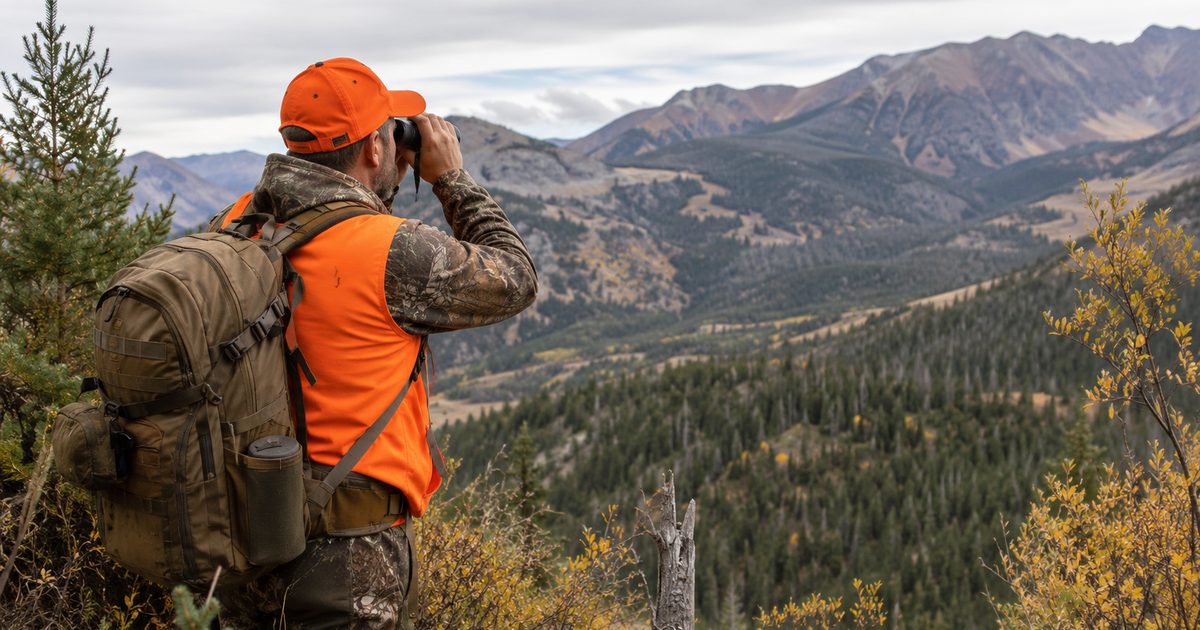
Most hunters think of muzzleloader elk season as a consolation prize — what you pursue when you didn’t draw a rifle tag. That’s backward thinking, and if you hold that belief, you’re giving up one of the best elk hunting opportunities in the West.
Muzzleloader seasons in Colorado, Idaho, Montana, and a handful of other states drop you right into the September rut. Bulls are bugling. Cows are cycling. And the mountain you’re hunting? It has a fraction of the hunters you’d see during a rifle opener. That combination is worth pursuing deliberately, not accidentally.
Why the Timing Is Everything
Archery seasons also hit the rut — September is September. But over-the-counter archery tags are available in most western states without any draw at all, which means popular units get hammered. Thousands of bowhunters flooding the same drainage for six weeks. By the time muzzleloader season opens in mid-to-late September in states like Colorado, many of those bowhunters have gone home. The woods quiet down. The elk, despite being pressured earlier, are often in full rut mode and still respond to calling.
In some states, muzzleloader tags for premium units that are essentially inaccessible to rifle hunters — units with 15+ year draw waits — have significantly better odds. Colorado’s Unit 2 and Unit 201 illustrate this perfectly. A limited muzzleloader tag for those units may require 5 to 8 points, versus 12 to 20 for a rifle tag. That’s the same real estate at a fraction of the wait.
Check the Muzzleloader Draw Odds Separately
Many hunters research rifle draw odds and stop there. Muzzleloader tags for the same units often have better odds because fewer applicants target them. Pull the full tag data before you decide which season to apply for.
The other timing factor: September muzzleloader seasons in many states run deep into the rut. Colorado’s first muzzleloader season typically runs mid-September — right at the peak. Idaho’s general muzzleloader season can extend through late September. If you’re hunting elk and you want to call bulls, muzzleloader season is arguably the most productive window available to the average western hunter.
Modern Inline vs. Traditional Sidelock
There’s a real philosophical divide in muzzleloader hunting. Traditional hunters use flintlocks or caplock rifles with round balls or conical bullets, hunting under the most primitive conditions available. It’s a legitimate and deeply satisfying pursuit. But if your goal is filling an elk tag, the modern inline is a different tool entirely.
An inline muzzleloader uses a 209 shotgun primer for ignition — the same primer sitting in your shotshell. That primer ignites reliably in rain, cold, and humidity. A traditional caplock depends on a percussion cap that can misfire when wet; a flintlock is even more sensitive to moisture. In September elk country, where an afternoon thunderstorm rolls through nearly every day, the 209 primer ignition of an inline is a significant practical advantage.
Most states that offer muzzleloader seasons allow inline rifles. A handful — Wyoming, for instance — impose traditional-only restrictions for certain seasons. Always verify your specific state and unit regulations before buying equipment.
Inline Muzzleloader Setup for Elk
A .50-caliber inline like the CVA Paramount or Traditions Vortek, loaded with two 50-grain Hodgdon 777 pellets and a 250-grain saboted bullet, shoots flat out to 150 yards and hits elk with sufficient energy for clean kills. This is the working minimum setup for elk-sized game.
Powder and Projectile Selection
Black powder equivalents like Hodgdon 777 and Pyrodex are the most common propellants for hunting inlines. They come in pellet form — 50-grain pellets that stack cleanly into the breech — or loose powder. Pellets are more convenient in the field. Two 50-grain 777 pellets give you a 100-grain equivalent charge, which is the standard elk load for most hunters.
For projectiles, the saboted bullet is king in modern inlines. The sabot — a plastic sleeve — engages the rifling and spins the bullet for accuracy. Common elk loads:
- Hornady 250-grain .452” XTP: Proven terminal performance, excellent expansion at muzzleloader velocities
- Barnes 245-grain TEZ: All-copper construction, higher cost, exceptional penetration on heavy-boned bulls
- Federal Trophy Copper 270-grain: A newer option with good accuracy and hard-hitting performance
Shoot every load combination through your specific rifle. Muzzleloaders are notoriously finicky — what shoots sub-MOA in one rifle may keyhole in another. Work up your load at 50, 100, and 150 yards before the season opens. Don’t skip this step.
Realistic Effective Range
Here’s the honest conversation that most muzzleloader articles sidestep: a well-tuned inline with premium components can print sub-2” groups at 150 yards on a bench in perfect conditions. That doesn’t mean 150-yard shots are routine hunting shots.
In the field, you’re breathing hard after a stalk. Your hands are cold. The wind is variable. The bull is quartering toward you and moving. Your maximum ethical hunting range isn’t your maximum bench accuracy — it’s probably 60 to 70% of that. For most hunters shooting a standard 100-grain charge, that means 100 yards is your honest limit. Some experienced shooters push to 150. Very few should be attempting 200-yard shots on game.
The muzzleloader’s range limitation is actually a hunting asset. It forces you closer. Closer means better shots, better footage, more adrenaline, and more connection with the animal. It’s the bowhunter’s mindset without the multi-year learning curve of archery.
Moisture and Weather Preparation
Black powder and its substitutes are dramatically more hygroscopic than smokeless powder. They pull moisture from the air. On a warm, humid September day in the Rockies, a loaded muzzleloader can start losing velocity and reliability after just a few hours.
Pre-hunt protocol matters. Before you leave camp, wipe the bore with a dry patch to remove any residue or moisture. Prime the action fresh. Many hunters use a tight-fitting powder seal or primer plug to protect the powder charge when not actively hunting. If it rains during the day, the safest approach is to pull the breech plug that evening, inspect the charge, and reload if there’s any doubt.
Wet Powder Misfires Can Happen Without Warning
Don’t assume a gun that fired yesterday will fire today if it sat in the rain. A hung fire or misfire on a bull at 80 yards is not just frustrating — it may be the only shot you get all week. Check your load every morning and after any significant weather.
After every single hunt day — even if you didn’t fire — run a damp patch through the bore followed by a dry patch, then a lightly oiled patch. Fouling from black powder substitutes is corrosive and will damage the bore faster than anything else you’ll put in a rifle. The cleaning protocol isn’t optional. Twenty minutes of cleaning prevents a ruined barrel.
The One-Shot Reality
You load once. You shoot once. If that shot is bad, you’re watching an injured animal disappear while you dig out another powder charge and fight with a ramrod in the cold. The mechanical reality of a single-shot firearm changes your hunting behavior — and it should.
Muzzleloader hunters pass shots that rifle hunters would take without hesitation. You wait for the bull to clear the brush. You wait for him to stop moving. You wait for the angle to be clean. The patience this forces is one of the reasons muzzleloader hunters often make better shots, not worse ones. The gun trains you to demand certainty before pulling the trigger.
Get your rest position sorted before the season. Know how your rifle handles from shooting sticks, a pack rest, and prone. At 80 yards on a slightly quartering bull, a rock-solid rest is the difference between a clean kill and a long, uncertain tracking job.
Which States Offer Muzzleloader Elk Seasons
The options across the West vary considerably, and it’s worth knowing the timing in each state relative to the rut:
Colorado runs two separate muzzleloader seasons — a limited license season in mid-September and a second season that overlaps with early rifle. The first season hits the rut and is the most sought-after.
Idaho offers general muzzleloader seasons in most units, with dates varying by zone. The late-September window can be very productive for calling bulls.
Montana has limited entry muzzleloader permits for certain premium elk units. Hunting districts with historically difficult rifle permit draws often have muzzleloader permits available at much lower point costs.
Utah offers limited entry muzzleloader elk permits and the draw competition is significant — but so are the bull quality and access opportunities for permit holders.
Wyoming has muzzleloader-specific seasons in select areas but requires traditional-style rifles in some of its special seasons — confirm before you apply.
Regulations Change — Check Every Year
Muzzleloader regulations — including what ignition systems and projectile types are legal — change more frequently than rifle regulations. What was legal in your state last year may not be legal this year. Read the actual regulation booklet, not a forum post from two seasons ago.
The Preparation Window
If you’re targeting muzzleloader elk next fall, the draw deadline for most western states falls between February and April. That means now is the time to research units, pull draw odds data, and decide where to put in your application.
Once you have a tag in hand, work backward from the season opener. Load development takes at least two range sessions. A scouting trip in August is worth more than ten days of hunting without prior knowledge of where elk are traveling. And if you’re new to muzzleloaders, get 20 shots of trigger time before you’re in the field — not 5.
The hunters who make the most of muzzleloader elk season aren’t the ones who bought an inline last spring. They’re the ones who treated it as a primary goal, built their load around their rifle’s specific accuracy window, and showed up knowing their country and their equipment. One shot. Make it count.
Next Step
Check Draw Odds for Your State
Tag-level draw odds across 9 western states — filter by species, unit, weapon, and points. Free to use.
Get the Insider Edge
Join hunters getting exclusive draw odds data, gear deals, and weekly hunt planning tips.
Related Articles

Arizona Elk Calling: September Archery
September archery elk in Arizona means calling. Here's the practical guide to bugles, cow calls, and the timing that produces bulls.
Arizona Hound Hunting Regulations Guide
Arizona hound hunting for bear and lion requires specific permits and tags. Here's the complete regulatory guide for 2026.

Arizona Shed Hunting: Rules & Season Guide
Arizona has specific rules on shed antler collecting. Here's the complete guide to the season, the ethics, and the most productive areas.
No comments yet. Be the first to share your experience!