Montana Nonresident Hunting: The Complete Guide
Everything nonresident hunters need to know about hunting Montana — draw odds, license costs, elk OTC tags, the B license system, pronghorn draw strategy, Block Management access, and how to build a smart multi-species application plan.
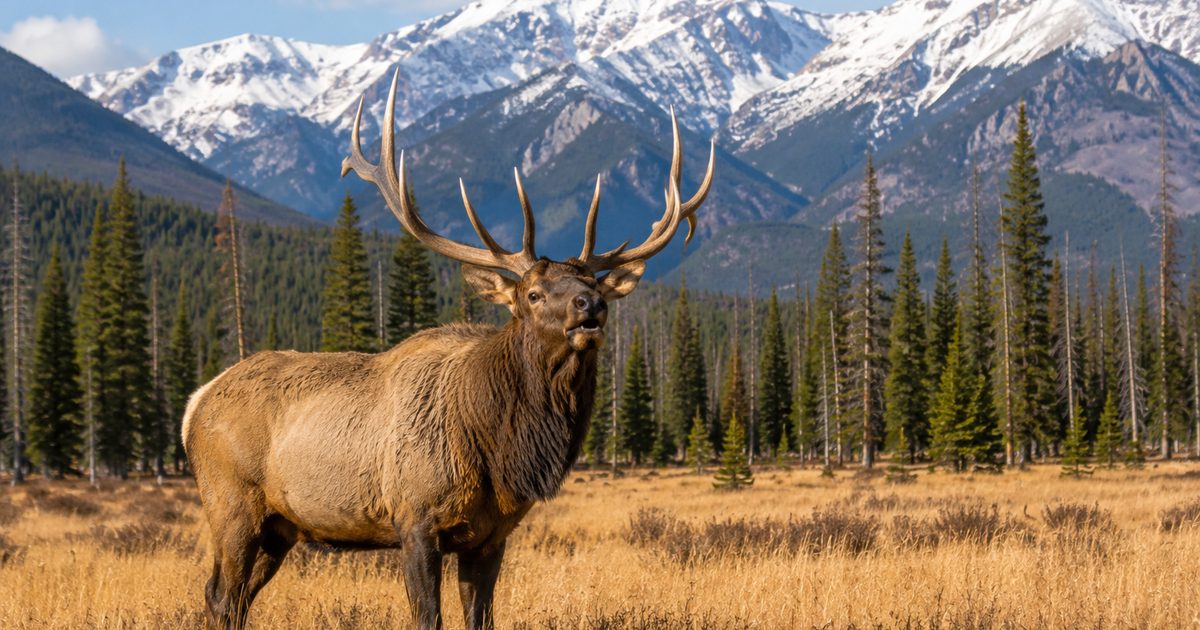
Montana sits at the top of almost every serious western hunter’s list, and for good reason. The state holds enormous elk herds, huntable pronghorn numbers across the eastern plains, and some of the most rugged mule deer country in the West. But what separates Montana from every other western state is something most hunters don’t realize until they dig into the system: there are no preference points.
Montana runs a pure random lottery for most controlled species. That means a hunter applying for the first time has the exact same draw odds as someone who’s been putting in for twenty years. It’s either the fairest system in the West or the most maddening, depending on your perspective. Either way, it reshapes how you should think about building a Montana strategy.
How Montana’s Draw System Works
Montana separates hunting opportunities into two tiers. The first is a general license — available over the counter with no draw required. The second is the controlled draw, which covers premium units and species with limited tags.
For the controlled draw, Montana uses a random lottery with no bonus or preference point accumulation. Every applicant gets one random chance. That’s it. Nobody has an advantage from years of building points, which means your odds are purely a function of how many people apply versus how many tags exist. In years when applications spike, odds drop. In off years, they rise. Check the draw odds engine to see current Montana draw odds by species and district before you put in.
The general draw deadline for most species falls in mid-March. The B license deadline — which covers special elk and deer districts — comes in April. Mark both dates. Missing one of them isn’t recoverable.
Elk: Two Very Different Opportunities
Montana elk hunting splits cleanly into two categories, and nonresidents have access to both.
Over-the-Counter General Elk Tags
Montana sells a general elk license over the counter to nonresidents. This tag covers hunting across general hunting districts statewide during the general rifle season in November. You don’t need to draw anything — just buy the tag and go. That’s rare in the West, and it’s one of the main reasons Montana draws so many out-of-state hunters every year.
The general tag doesn’t come with a guarantee of quality. Pressure on accessible public land in November can be significant. Hunting elk on public land in the Bob Marshall Wilderness, the Beartooth Plateau, or other roadless areas during the general season takes real backcountry capability, but it also means far less competition. Hunters willing to get three or four miles from any trailhead — especially mid-week — find elk most others never see.
General elk license costs for nonresidents run in the range of $900–$1,000 when you add the base license, the elk tag, and applicable conservation fees. Budget accordingly.
Get Off the Road — Seriously
Montana elk pressure concentrates within a mile of trailheads and road ends during the general season. On public land in units like the Beartooth, Gallatin, or Bitterroot, hunters who commit to a two-night minimum camp pushed three-plus miles from the trailhead see dramatically different elk numbers and behavior than weekend day-hikers. The elk aren’t gone — they’re just not where the roads are.
The B License: Controlled Draw for Premium Districts
For premium elk hunting districts, Montana issues B licenses through the March/April controlled draw. These special licenses cover specific hunting districts (HDs) where tag numbers are tightly controlled to maintain bull quality and herd structure. Think districts in the Missouri Breaks, the Sun River, and other areas known for producing mature bulls.
Because there are no preference points, B license draw odds depend entirely on applicant pressure. Some districts have nonresident odds under 5%. Others, in less glamorous locations, may draw at 15–25% for nonresidents. Running a target list of B license districts and their historical draw odds — before you apply — is the only way to make smart choices. The draw odds engine breaks this down by district and season type.
Nonresidents are allocated a percentage of B licenses in each district, and that cap varies. In most districts, nonresidents receive 10% of available tags, though some fluctuate based on herd management objectives.
Deer: General License Availability
Montana sells general deer licenses over the counter to nonresidents, covering both mule deer and whitetail in general hunting districts. This is another major advantage compared to states like Colorado or Wyoming, where nonresident deer tags require a draw.
Mule deer opportunities are strongest in eastern Montana, the Missouri Breaks country, and areas along the Yellowstone River corridor. Whitetail numbers are high in the river bottoms, creek drainages, and agricultural edges throughout much of the state.
The general deer license is included in the standard nonresident combination license package, which bundles the base license, deer tag, and elk tag for the ~$900–$1,000 price point. Buying the combo is almost always the better value if you’re planning to hunt both species.
Nonresident Allocation Caps Exist for Deer Too
While general deer licenses are sold over the counter, Montana limits total nonresident license sales. Once the nonresident cap is reached, licenses are no longer available. Apply or buy early in the season — don’t wait until August and expect to walk in and grab a tag.
Pronghorn: Random Draw, Best Zero-Point Odds in the West
Montana pronghorn is the most underrated draw opportunity for nonresidents in the entire western United States. Because the state runs a pure random lottery with no preference points, a first-time applicant has competitive odds in many districts.
Eastern Montana holds some of the largest pronghorn populations in North America. In high-population districts with generous tag allocations, nonresident draw odds can reach 20–40% at zero points — numbers that simply don’t exist in Wyoming, Nevada, or Utah for comparable quality hunts. You’ll find pronghorn numbers, antelope access via Block Management (more on that below), and a licensing system that doesn’t punish new applicants.
The tradeoff is that these odds fluctuate year to year. A district with 30% odds this year could tighten to 15% next year if applicant interest spikes. Check Montana draw odds before building your application list, and consider applying for two or three backup districts in addition to your primary target.
Bighorn Sheep and Mountain Goat: Realistic Expectations
Bighorn sheep and mountain goat tags in Montana are the state’s most coveted licenses. With no preference points, your odds in a given year are purely statistical — and in most ram districts, that means somewhere between 1% and 5% for nonresidents.
The good news is that Montana does have huntable bighorn sheep populations in the Breaks, the Beartooth, the Absaroka-Beartooth Wilderness, and elsewhere. These aren’t dream-only permits — hunters do draw them on their first or second application. It just takes time and luck in roughly equal measure.
Mountain goat tags are similarly rare, with most districts drawing at under 3% for nonresidents. Apply every year. There’s no downside — no points to lose, no fees beyond the application cost.
Apply for Sheep and Goat Every Year Without Fail
In a no-preference-point system, the only way to improve your lifetime odds is to apply every single year. Skipping even one year isn’t just a missed chance — it’s a permanent reduction in your total career probability of drawing. Set a calendar reminder and don’t miss it.
Block Management: Montana’s Walk-In Program
Montana’s Block Management Area (BMA) program is one of the best public-access hunting programs in the country. The Montana Fish, Wildlife & Parks agency compensates private landowners for allowing public hunting access on their land. The result is millions of acres of private agricultural land — prime habitat for deer, pronghorn, pheasant, and elk — open to any hunter with a valid license.
Block Management areas are mapped and searchable through the Montana FWP website and app. Access rules vary by property: some are open to any licensed hunter, others require a free walk-in permit, and some limit the number of hunters per day. Read the individual property rules before you show up.
For nonresident hunters without private land connections, BMA access can be transformational. Eastern Montana pronghorn and mule deer hunting becomes genuinely accessible when you can legally walk onto enrolled private ranches. Many of these properties see far less pressure than adjacent public land because most hunters don’t bother researching the program.
Building a Multi-Species Montana Strategy
Montana’s system rewards hunters who think across species rather than obsessing over a single tag. Here’s a framework for nonresidents at different planning stages.
Year One: Buy the general combo license (elk + deer OTC). Apply for pronghorn in a high-odds eastern district. Apply for bighorn sheep and mountain goat in whatever districts look good from a long-term odds standpoint. Expect to hunt elk and deer on your first trip; treat the sheep and goat applications as free lottery tickets.
Years Two and Three: Continue the sheep/goat applications. If you drew pronghorn in year one, apply in a different or more competitive district. Consider adding a B license application for a mid-tier elk district that draws at 15–25% for nonresidents. Use the multi-state planner to balance Montana applications against other western states you’re pursuing simultaneously.
Long Game: Montana’s no-points system means there’s no compounding advantage to waiting. Don’t defer applications while building points — there are no points to build. Every year you’re not applying is a year you’re not in the hat.
Start with the General Combo License
If you’ve never hunted Montana before, start with the general combo (elk + deer) rather than getting lost in B licenses and controlled species. Spend a first trip learning the land, understanding November weather patterns, and figuring out the country. You’ll come back with better applications the second year because you’ll know where you actually want to hunt.
License Costs at a Glance
| License Type | Approximate NR Cost |
|---|---|
| Base nonresident license | ~$75 |
| General elk tag (with combo) | ~$900–$1,000 total |
| General deer tag (with combo) | Included in combo |
| B license elk application fee | ~$10–$15 |
| Pronghorn tag | ~$150–$175 |
| Bighorn sheep application | ~$15–$20 |
| Mountain goat application | ~$15–$20 |
Costs change slightly year to year, and fees may have shifted since this was written. Always verify current costs at Montana FWP before applying.
Application Deadlines Summary
- General draw (elk B license districts, pronghorn, sheep, goat): Mid-March to early April — verify exact date at Montana FWP each year
- B license elk draw: April (separate deadline from general draw)
- General licenses OTC: Available until nonresident cap is reached; buy early
Montana doesn’t reward waiting. License caps fill, draw deadlines pass, and the state’s no-preference-point system means there’s no strategic reason to hold off. Get in the hat every year, buy your general tags early, and use the tools at ProHunt’s draw odds page to find the districts where your applications have the best chance of connecting.
Sources & verification
Seasons, license fees, application windows, and draw structure for Montana change every year. Always verify the current details against the official Montana agency before applying or hunting.
- Montana Fish, Wildlife & Parks — fwp.mt.gov
Next Step
Check Draw Odds for Your State
Tag-level draw odds across 9 western states — filter by species, unit, weapon, and points. Free to use.
Get the Insider Edge
Join hunters getting exclusive draw odds data, gear deals, and weekly hunt planning tips.
Related Articles
Arizona OTC Archery Deer 2026: Unit Limits and Closures
Arizona's OTC archery deer season opens August 21, 2026 — and units close the moment harvest limits fill. Here's every unit's limit, plus the best bets by real archery success rates.
Colorado OTC Elk in 2026: What Changed for Nonresidents
Colorado eliminated unlimited nonresident OTC archery elk west of I-25 for 2026 — and Gunnison rifle tags went draw-only. Here's exactly what's still on the shelf and how to hunt this fall anyway.

Colorado Reissue Licenses: How to Grab Returned Elk Tags
Every Wednesday through fall, CPW sells back surrendered limited licenses — including elk tags nonresidents can't get any other way in 2026. Here's the Tuesday-Wednesday ritual that actually lands one.
No comments yet. Be the first to share your experience!