Montana Bitterroot Valley Hunting: Elk, Deer, and the West Side of the Divide
Montana Bitterroot Valley hunting — elk in the Selway-Bitterroot Wilderness, mule deer and whitetail in the valley-bottom transition, general tag access, season timing, and what makes this valley-and-wilderness combination unique.
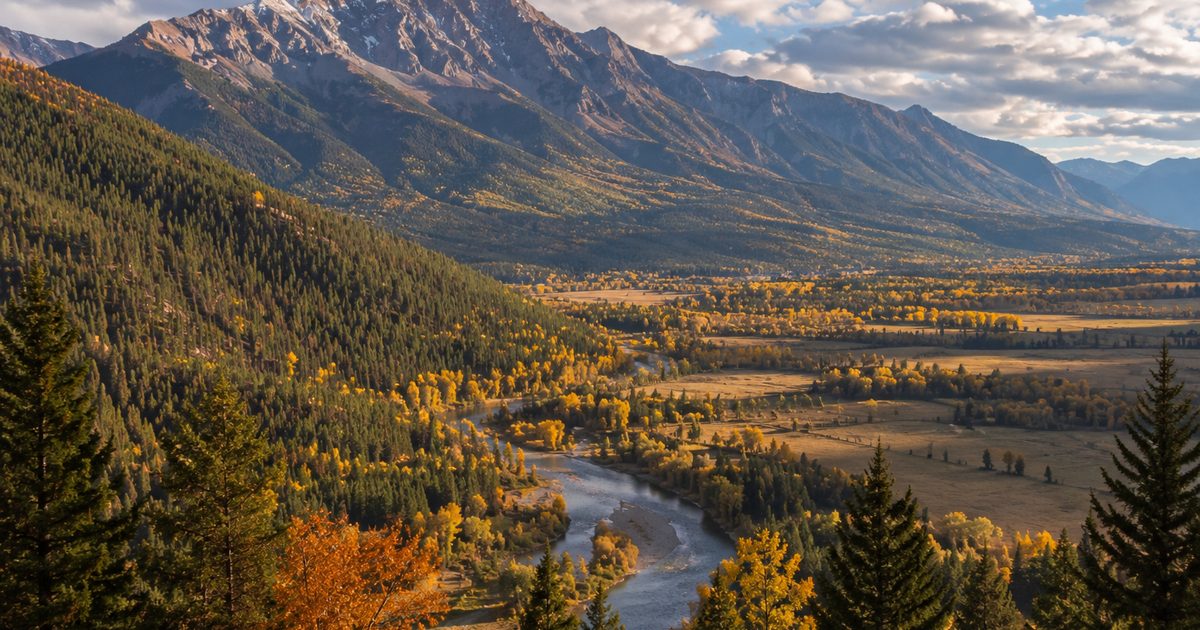
The Bitterroot Valley in western Montana runs roughly 100 miles north to south, pinched between the Sapphire Mountains on the east and the Bitterroot Range on the west. The west wall climbs fast. What starts as valley-floor hay fields and cottonwood river bottoms turns into 9,000-foot ridgelines within a few miles — and beyond those ridgelines sits the Selway-Bitterroot Wilderness, 1.3 million acres of roadless country connecting Montana to the Idaho Frank Church Wilderness. That’s one of the largest contiguous roadless areas in the Lower 48.
For hunters, this geography creates a combination that’s genuinely hard to find anywhere else in the West. Legitimate wilderness elk without a draw tag. Whitetail in the valley-bottom agricultural corridor. Mule deer on the drier Sapphire slopes. All of it accessible on a Montana general license that any nonresident can purchase over the counter. The Bitterroot doesn’t always make the short lists that other Montana elk country does, but hunters who’ve spent time in those canyon drainages don’t talk about it much either.
The Selway-Bitterroot Wilderness
The Montana side of the Selway-Bitterroot rises from the valley floor and runs west into Idaho through some of the most broken, roadless terrain in the Rocky Mountain states. The eastern drainages — Blodgett Creek, Mill Creek, Bass Creek, Bear Creek, Fred Burr Creek — flow down into the Bitterroot River. The western drainages drain toward Idaho and the Selway River.
Elk density here is lower per square mile than what you’d find in the Bob Marshall country to the north. That’s not a selling point until you consider what it means: the animals in the deep Bitterroot drainages are largely undisturbed. They don’t get pushed, called at, or educated the way elk in the more accessible Montana hunting districts do. A bull that spends the summer at 8,500 feet in the Selway-Bitterroot and drops into a timbered drainage in September isn’t necessarily smarter than a Bob Marshall bull — he’s just had fewer encounters with hunters.
The Bitterroot hunt districts (roughly HD 240–250 in the Ravalli County area) are open to general season elk hunting on a Montana general license. Nonresidents can buy that tag without drawing anything. That structure — roadless wilderness elk on an over-the-counter license — is increasingly rare as Montana has tightened access in other high-quality units.
The Wilderness Boundary Matters for Access
The Selway-Bitterroot Wilderness is trail-only past the boundary. No ATVs, no mountain bikes, no motorized equipment of any kind. Every drainage on the Montana side has a trailhead that puts you 3–6 miles from the wilderness boundary — and hunting quality improves significantly once you’re past the point where most day hikers and weekend hunters turn back. Plan on foot or horseback.
Most of the Bitterroot trailheads sit at the canyon mouths just above the valley floor, typically at 3,500–4,500 feet elevation. The wilderness boundary usually starts at 4,000–5,000 feet, depending on the drainage. From the boundary, the terrain rises steadily to ridgeline at 8,500–9,500 feet. That’s a lot of elevation to cover, and the drainages are steep — this isn’t gentle rolling foothills country. The timber is dense in the canyon bottoms and opens into subalpine meadows and talus fields higher up.
The Valley-Bottom Hunting Nobody Talks About
Pull up a map of the Bitterroot Valley and most of the attention goes straight to the wilderness drainages on the west side. That’s understandable. But hunters focused entirely on the wilderness are walking past some of the most huntable whitetail country in western Montana.
The Bitterroot River corridor holds a solid population of whitetail that have adapted to the valley-bottom environment in specific ways. They use the agricultural edges — hay fields, standing corn where it exists, orchard ground — in patterns that differ from how wilderness deer behave. These deer know the landscape in detail. They travel specific routes between feeding areas and bedding cover, use the cottonwood bottoms along the river as daytime security, and respond to human pressure with subtle shifts rather than wholesale relocations. Hunting them takes a different approach than elk hunting.
The valley-bottom whitetail aren’t giant deer by Montana standards. You’re not looking at Milk River-class animals. But mature 3.5 and 4.5-year-old bucks are consistently taken by hunters who spend time on the agricultural edges and river-bottom timber. It’s classic transition-zone whitetail hunting — food, cover, movement corridors — and hunters chasing elk in the wilderness often ignore it entirely.
Valley Whitetail Are Overlooked by Elk Hunters
Most hunters in the Bitterroot drive right through the valley floor on their way to elk trailheads. The cottonwood river-bottom whitetail in Ravalli County don’t see the same pressure as deer in comparable Montana valleys farther east. If you’re combining an elk hunt with a deer tag, scout the valley floor before you head up the drainage — you might fill your deer tag without ever leaving the truck route.
Mule deer occupy a different zone entirely. The Sapphire Mountains on the east side of the valley are drier and rockier than the Bitterroot Range — classic mule deer habitat. The rocky terrain above the valley floor on the Sapphire side holds mule deer that travel the same ridge systems year after year. This isn’t the deep wilderness mule deer country of Nevada or Colorado’s high basins, but it produces consistent deer for hunters willing to put in glassing time on the open slopes.
Hunt Districts and General License Structure
Montana’s general license covers elk and deer in most Bitterroot hunt districts — but the specifics matter. The general elk tag covers bull elk during the general season. Antlerless elk in the Bitterroot HDs are managed on a permit basis: antlerless permits are issued by district and available through FWP’s permit drawing. Some districts have liberal antlerless permit allocations; others don’t.
For nonresidents, the Montana general license comes with a nonresident big game combination license that covers deer and elk together, plus upland birds. That single license covers the majority of what you’d want to hunt in the Bitterroot. Specialty species — mountain lion, bear, turkey — require separate tags.
Check the current Montana FWP regulations before you buy anything. The Bitterroot hunt districts have had regulation changes in recent years, particularly around antlerless elk management and specific district boundaries. The FWP website lists current HD maps and the applicable regulations by district.
September Archery in the Canyon Drainages
September archery in the Selway-Bitterroot is one of Montana’s most consistently excellent elk opportunities. The combination of rutting bull elk in deep canyon country — bulls that haven’t been called at all summer — produces the kind of aggressive, vocal behavior that makes archery elk hunting worth doing.
The rut timing in the Bitterroot typically peaks between September 10 and September 20, though warm years push it slightly later. By September 12–15 most years, you’ll have bulls screaming in the canyon bottoms at first light. They’re bugling from the timber, thrashing brush, and moving with the kind of intensity that makes close-range encounters happen fast. The cover in these drainages is dense enough that a bull can close 200 yards in the time it takes to range a shooting lane.
The tactical reality is that the accessible drainages — within 2 miles of the trailhead — see moderate pressure during archery season. Not heavy pressure by some standards, but enough that the bulls closer to the trailheads learn quickly what a bugle followed by silence means. The better hunting starts where the trail gets steep and the day hikers turn around. That’s usually 3–5 miles in, with the wilderness boundary somewhere in that range.
Archery Elk in Canyon Timber Requires a Different Setup
The Bitterroot canyon drainages are dense. Shots happen fast and at close range — 20 to 40 yards is the standard, not the exception. A bow tuned for tight shooting windows, short stabilizer for brush clearance, and fixed-blade broadheads are the right setup for this terrain. Leave the 100-yard field-point practice for another hunt.
Horse access changes the picture significantly. If you can get horses into the wilderness, you can cover far more ground and reach elk country that day-pack hunters simply can’t access in a reasonable trip. Several outfitters in the Hamilton and Darby area offer horse-guided wilderness hunts or stock-assisted pack-in support. It’s worth the cost if your primary goal is a roadless-wilderness bull.
October Rifle Season
The general rifle season in the Bitterroot opens in late October and runs through November. By opening day, the accessible country near the trailheads sees consistent pressure — multiple parties working the first several miles of each drainage is typical on the opening weekend.
The hunting quality doesn’t disappear with pressure. It relocates. Elk pushed out of the accessible drainages move deeper into the wilderness or shift to drainages that see less traffic. A hunter willing to walk 8–12 miles from the trailhead, spend two or three nights in the wilderness, and work the unpressured country is hunting in a different situation than someone pushing elk out of the lower drainages on day one.
The timing of the rifle season also matters for deer. By late October, mule deer on the Sapphire slopes are moving between summer and winter range. Bucks that spent August at 7,500 feet are working down toward lower elevation by late October, and that transition creates opportunities for hunters who understand the migration routes.
Whitetail in the valley bottom are approaching or in the rut by early November. The October–November overlap between general elk season and whitetail rut is one of the legitimate advantages of hunting the Bitterroot — you can transition between two completely different hunting styles within a 30-minute drive.
Hamilton and Missoula: Logistics and Base Camp
Hamilton, Montana is the Bitterroot Valley hub. It sits roughly 45 miles south of Missoula on US-93 and serves as the primary resupply point for hunters working any of the middle Bitterroot drainages. Hamilton has grocery stores, sporting goods shops, fuel, and a range of lodging options from budget motels to vacation rentals. Several processors in the valley handle game; call ahead during season, as they fill up fast.
Missoula, 45 minutes north of Hamilton, is the nearest city with a commercial airport (Missoula International, MSO) offering direct or one-stop service from most major hubs. Denver, Salt Lake, Seattle, and Phoenix all have daily connections. Missoula has full equipment and outfitter services, large grocery stores, and all the gear shops you’d need to round out a kit before heading into the wilderness.
The south end of the valley — Darby and Sula — puts you another 30–40 minutes south of Hamilton. If you’re hunting the southern Bitterroot drainages or heading into the Sula country on the east side, Darby is the closer base.
Drive times from Missoula to the main Bitterroot trailheads run 45 minutes (north valley, near Florence) to 90 minutes (south valley, near Darby). Most trailhead parking areas are well-signed off US-93 and the numbered county roads running west into the mountains.
What Makes the Bitterroot Different
The honest case for the Bitterroot is the combination of factors, not any single one. Montana general elk on a roadless wilderness isn’t unique — you can get that in the Bob Marshall too. Valley-bottom whitetail isn’t unique. Mule deer on drier east-side slopes exists in other Montana valleys.
What the Bitterroot has is all of it in one place, with logistics that are less demanding than the more famous Montana wilderness elk destinations. You can drive to the trailhead. You can set up in Hamilton. You can hunt three different species in two or three different habitats within a single day. And you’re doing it in country where the elk in the deep drainages haven’t been bugled at since last September.
That’s the pitch. It’s quieter than the Bob, less hyped than some of the eastern Montana destinations, and the wilderness country on the west side rewards the hunters willing to put miles behind them. The Bitterroot won’t always make the top-five Montana elk destination lists. That’s probably part of what keeps the deep drainages worth hunting.
Plan Your Bitterroot Hunt
- Draw Odds Engine — Check Montana hunt district draw requirements and odds
- Hunt Cost Calculator — Estimate your Montana nonresident license and trip costs
- Application Timeline — Track Montana deadlines alongside other western states
Sources & verification
Seasons, license fees, application windows, and draw structure for Montana change every year. Always verify the current details against the official Montana agency before applying or hunting.
- Montana Fish, Wildlife & Parks — fwp.mt.gov
Next Step
Check Draw Odds for Your State
Tag-level draw odds across 9 western states — filter by species, unit, weapon, and points. Free to use.
Get the Insider Edge
Join hunters getting exclusive draw odds data, gear deals, and weekly hunt planning tips.
Related Articles

Western State Draw Systems Explained
How all 9 western state hunting draw systems actually work — preference points, bonus points, and pure lotteries compared side by side with real odds data.

Arizona Bighorn Sheep Draw Odds Guide
Arizona bighorn is the definition of a lifetime tag. Here's the point math, unit breakdown, and why you apply every year regardless of your bonus point total.

Arizona Fall Turkey Draw Odds Guide
Arizona fall turkey is a low-point draw in the ponderosa country. Here's the unit breakdown, typical point requirements, and how to stack it with other Fall Draw applications.
No comments yet. Be the first to share your experience!