Montana Beartooth Elk: High Country South of Yellowstone
The Beartooth Mountains and Absaroka-Beartooth Wilderness as an elk hunting address in south-central Montana — alpine terrain, OTC archery access, wilderness bull quality, and how this country differs from Glacier or the Bob.
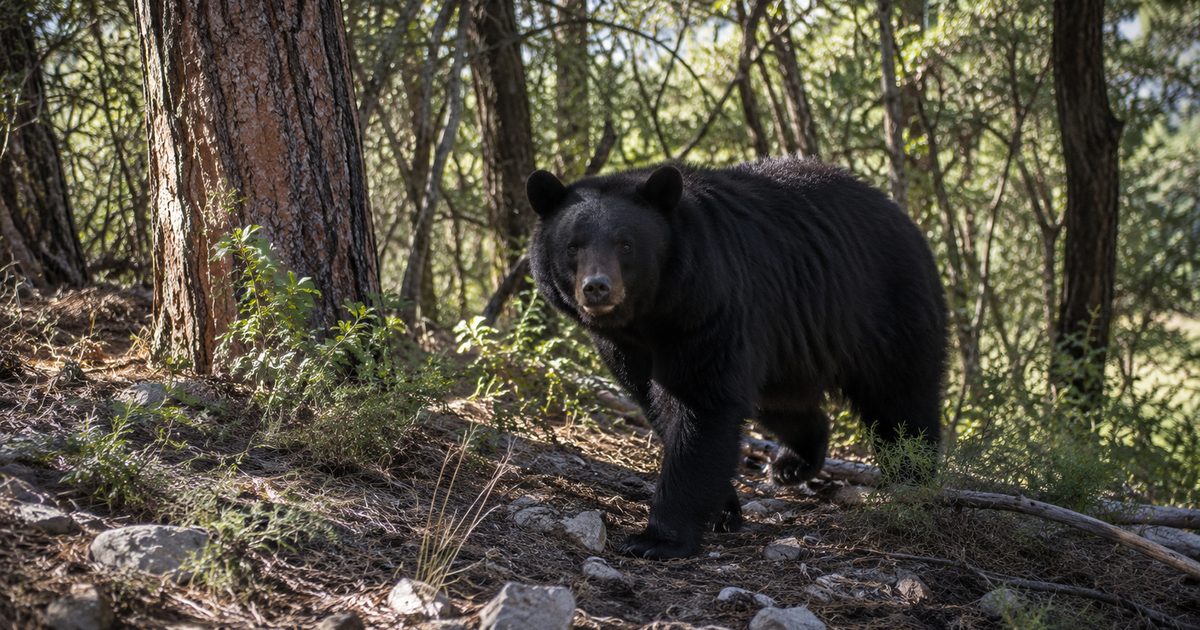
The Beartooth Plateau sits at 10,000 to 11,000 feet over a vast sweep of south-central Montana, flanked by the Clark’s Fork of the Yellowstone to the east and the Boulder River drainages to the west. The Absaroka-Beartooth Wilderness boundary starts within 10 miles of Red Lodge and stretches south to the Wyoming line. From the highway, it looks like one continuous wall of rock and snow. Inside it, it’s a different world entirely — cirque basins, protected drainages, willow-choked creek bottoms at 9,000 feet where mature bull elk spend September with almost no human contact.
That last part is what makes it worth your time.
Why the Beartooth Is Different
Most Montana elk hunters think Glacier or the Bob Marshall. Those are real destinations with real elk. But the Absaroka-Beartooth offers something specific that neither of those places does: direct staging from a paved highway, a September archery window with almost no backcountry pressure beyond six miles, and OTC tags for most of the wilderness core. The Bob Marshall draws hunters by the thousands. The Beartooth wilderness interior doesn’t.
The terrain itself explains the low pressure. The open plateau above treeline is windswept and exposed — elk don’t live there through hunting season. They use the cirque basins and timbered pockets that form along the plateau edges, dropping into the drainages where water, willows, and shelter from weather make living practical. Finding elk means finding those protected transition zones: the edges where spruce timber meets alpine meadow, the saddles connecting the plateau to the drainages below. These places aren’t visible from a road. You have to earn them.
That barrier — terrain, miles, elevation — is what keeps most hunters out. The elk in the Beartooth interior know it too.
OTC Tags and Limited-Entry Structure
Most of the Absaroka-Beartooth hunting districts fall under Montana’s general (A) license, available over the counter without a draw. That’s the structural advantage for hunters who aren’t running a multi-year point strategy. You can book the trip, buy the tag, and go.
Some districts adjacent to the wilderness carry B-license designations for special seasons. The regulatory picture has enough district-level variation that reading the current Montana FWP regulations for your specific target districts is non-negotiable prep, not optional background. The state adjusts designations in this area periodically, and hunting an OTC district versus an adjacent B-license district requires different tags.
Check the Montana FWP district maps against your planned access routes before anything else. The general rule — most of the wilderness interior is OTC-accessible — holds. The specifics require verification.
Verify District Boundaries Before You Buy Your Tag
The Absaroka-Beartooth area includes both OTC general districts and adjacent B-license limited-entry districts. The boundary between them isn’t always obvious on the ground. Pull the current Montana FWP hunting district maps and compare them against your planned access drainage before finalizing your tag purchase. Hunting a B-license zone on an OTC tag is a citable violation — and you won’t know you’ve crossed the line unless you’ve done the map work beforehand.
For any B-license districts you’re considering in this region, check current draw odds at ProHunt’s Draw Odds tool for Montana or run a full analysis through the Draw Odds Engine.
September Archery: The Window Most Hunters Miss
The September archery season in the Absaroka-Beartooth is the hunt that most hunters never seriously plan. That gap is something you can exploit.
Trailheads see archery hunters. The wilderness interior beyond six miles sees almost none. A 6-to-8-mile pack-in from any of the primary access points puts you in country that — through most of September — is effectively unhunted. Not lightly hunted. Elk in those interior cirque basins carry their full September aggression because nothing has educated them otherwise. They bugle. They respond to calling. They do all the things you’ve read about and struggled to replicate in pressure-hit country close to a road.
The timbered cirques below the plateau are calling country. The willow-choked basin floors, the edges where spruce timber meets the alpine meadows — these are the spots where a bull will commit to a challenge. The timber here isn’t the thick lodgepole tangle of the Clearwater or the Bitterroot. It’s more open — scattered spruce and fir with meadow breaks that give you shot opportunities when a bull works in.
Six Miles In Is a Different Hunt Entirely
The Beartooth trailheads see archery pressure. The wilderness interior beyond six to eight miles doesn’t. September bulls in those interior cirque basins are vocal, territorial, and responsive in ways that accessible elk aren’t. The barrier is entirely physical — no draw, no lottery, no points. If you’re fit enough to carry a loaded pack to 9,500 feet, you can hunt September Beartooth elk on an OTC tag. That combination doesn’t exist in many places in the West.
September in the Beartooth also means alpine conditions are possible any day. A late-August snowstorm above 10,000 feet is not unusual. Pack the warm layers even when the forecast looks stable.
October Rifle: Weather Changes the Equation
By the time October rifle season opens, the access picture can change completely — and often does within a two-week window.
The Beartooth Highway, US-212, crosses the plateau at 10,947 feet and is the primary summer access to the main trailheads. It closes with the first significant snowfall, typically between late September and mid-October in most years. When the highway closes, the access routes to the wilderness interior change entirely. Hunters who drove in on 212 in September can’t reach those same trailheads in October. You need a backup plan, and you need it before you leave home.
October elk are also in behavioral transition. The September rut activity that made bulls vocal and aggressive has wound down. An early storm — three feet of snow at 10,000 feet is possible by mid-October — can move the high-country elk off the alpine terrain in 48 hours. They push toward winter range in the Clark’s Fork and Boulder River drainages at lower elevations. October Beartooth hunting is either catching bulls mid-migration or hunting the lower-elevation country where they’re arriving from above.
The Beartooth Highway Closes Early — Have an Alternate Access Plan
US-212 closes with the first major snowfall, typically late September to mid-October. If you’re planning an October rifle hunt and counting on highway access to the plateau trailheads, you need an alternative before you drive north. The West Fork and East Rosebud drainages, accessed from the Boulder Valley via forest roads out of Fishtail and Absarokee, provide access to the same wilderness interior from the west side and stay open later in most years.
The Beartooth vs. Glacier and the Bob Marshall
Hunters who know Montana elk often ask how the Beartooth compares to the other big-name wilderness destinations in the state.
Glacier — more accurately the Flathead drainages south of the park — is accessible, heavily scouted, and generates consistent hunting pressure. Quality elk hunting exists there, but the pressure picture is different. The Bob Marshall is the crown jewel of Montana wilderness, massive and legitimate, with outfitter traffic running back generations. Both places have their advocates and their bulls.
The Beartooth’s difference is in who shows up. The Bob and the Flathead country see significant outfitter traffic and organized backcountry parties because the logistical infrastructure is well established — the outfitters know every drainage. The Beartooth sees fewer guided parties in the wilderness core, partly because the plateau access challenges make multi-client camp logistics harder, and partly because the Beartooth’s reputation as “Montana’s scenic highway country” sends many hunters past it on the way to the Bob. That reputation is the access advantage if you know what the interior actually holds.
The country is also different in character. The Beartooth is higher and more alpine. There are fewer river-bottom corridors and more exposed plateau edges. The elk country concentrates in specific cirque-basin systems rather than running continuously through miles of timbered drainages. It rewards hunters who do the specific terrain research — not just “go to the wilderness” but “go to this drainage, this basin, this specific elevation band.”
Bull Quality
The Beartooth isn’t where you go for B&C numbers above all else. The wilderness interior produces mature 6x6 bulls in the 280-to-330-inch range with regularity. An exceptional bull comes out of the most remote basins a few times a decade. These are legitimate Rocky Mountain elk — representative of what this country has always produced.
What the Beartooth offers that the numbers don’t capture is context. A 6x6 taken after a 10-mile pack-in on the third day of a September archery hunt, in a cirque at 9,500 feet with no other hunters within five miles — that’s a different category of experience than a comparable bull in a road-accessible unit with a drop camp. Hunters who’ve been to the Beartooth talk about the hunts. The bulls are part of the story. They’re not the whole story.
Staging: Red Lodge and Billings
Red Lodge is the primary gateway. It’s a functional outfitter town with a strong hunting services presence — guides, horse operations, gear, licenses, and meat processing. Everything you need is available there, and the trailheads are 30 to 45 minutes away. For a first Beartooth hunt, basing from Red Lodge is the practical choice.
Billings is the logistics hub for anyone flying in. It’s 60 miles north of Red Lodge and has the airport, the gear stores, and the range of services that smaller towns can’t provide. Drive south on US-212 toward the plateau and you’re at the trailheads in 90 minutes from Billings.
What a 7-Day Wilderness Elk Camp Requires
A full week in the Absaroka-Beartooth requires more commitment than a standard elk camp. A four-season shelter rated to -20°F or a wall tent with a wood stove for October. Sleeping bag rated to 0°F minimum — 20-below for late October. A layering system covering base to hard freeze. A pack capable of 70-plus pounds for the pack-in and configured for meat packs out. Minimum 4,000 calories per day at altitude. A satellite communicator — not optional in wilderness terrain this remote. The gear list isn’t about comfort. It’s about the margin between a successful hunt and an emergency.
Meat recovery logistics deserve the same attention as the hunt plan. A mature bull at 10 miles from the trailhead represents 400-plus pounds of meat and bone. On foot without pack horses, that’s a multi-day project with multiple carries. Know the math before you shoot. Horse packing through the Red Lodge outfitter community solves this problem cleanly — the outfitters have been running strings into this country for generations and the infrastructure is real.
Planning the Hunt
The access research comes first. Identify your primary trailhead, your alternative trailhead when the highway closes, and your target drainage before season and gear decisions. For September archery, the six-to-eight-mile threshold into the wilderness interior is the baseline — closer is accessible country, farther is where the real hunt begins. For October rifle, verify highway status and plan around the west-side trailhead options from the start.
The Beartooth elk hunt is for hunters who want wilderness elk on OTC tags without drawing a limited-entry tag. It exists because the terrain filters out the hunters who won’t commit to the miles. That’s the deal on offer. Go prepared for the terrain, the weather, and the recovery — and the interior of the Absaroka-Beartooth Wilderness delivers what the reputation promises.
Sources & verification
Seasons, license fees, application windows, and draw structure for Montana change every year. Always verify the current details against the official Montana agency before applying or hunting.
- Montana Fish, Wildlife & Parks — fwp.mt.gov
Next Step
Check Draw Odds for Your State
Tag-level draw odds across 9 western states — filter by species, unit, weapon, and points. Free to use.
Get the Insider Edge
Join hunters getting exclusive draw odds data, gear deals, and weekly hunt planning tips.
Related Articles

Arizona Unit 36 Border Country Guide
Units 36A, 36B, and 36C sit along the Mexican border west of Nogales — overlooked Coues and javelina country with low draw requirements and solid hunting.

Montana General Elk Tag: Everything You Need to Know
The Montana general elk tag explained — who can buy one, what it covers, best districts, season dates, nonresident options, costs, and tactics for public land.

Arizona Unit 22 Guide: Tonto Basin
Unit 22 runs across the Tonto Basin and the Salt River country — productive elk in the highlands, accessible javelina in the desert, and some of Arizona's most underrated deer country.
No comments yet. Be the first to share your experience!