Selway-Bitterroot Wilderness Elk Hunting: Roadless Country on the Idaho-Montana Border
1.3 million acres of roadless wilderness, low hunting pressure, and elk that push 300–340" in remote drainages. What you need to know before hunting the Selway-Bitterroot.
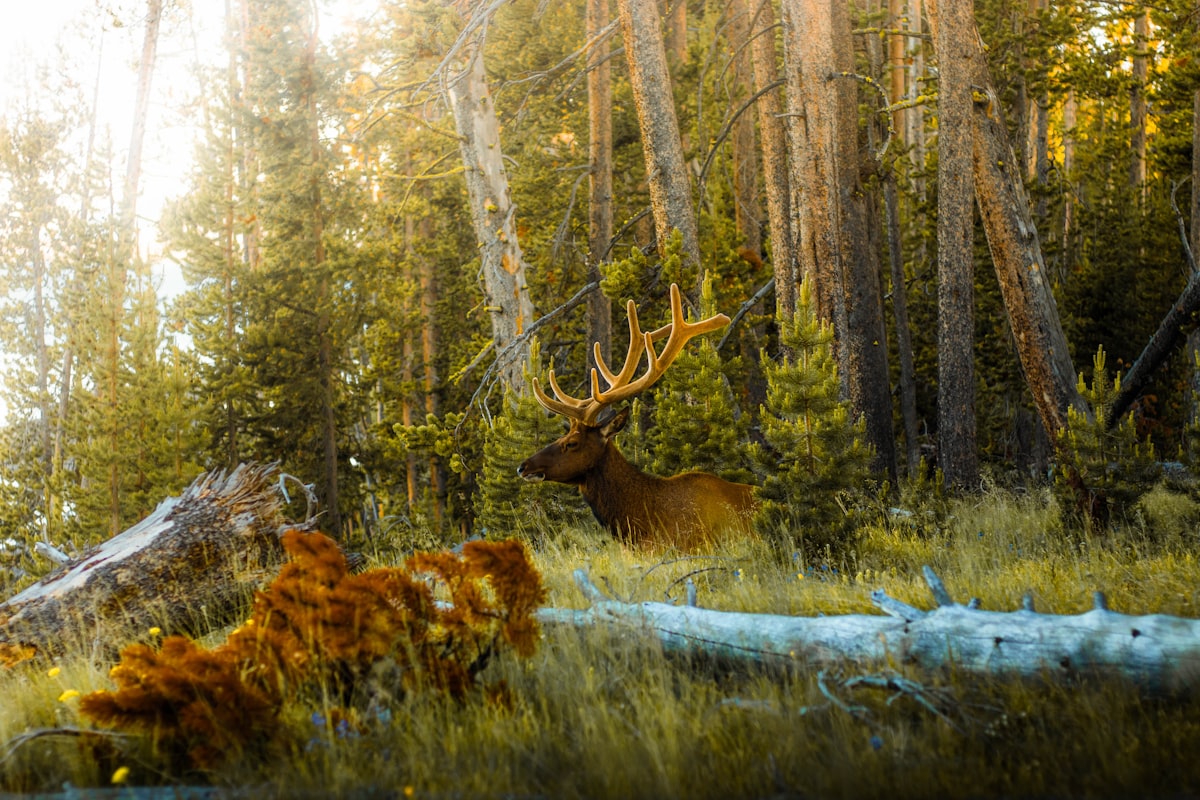
The Selway-Bitterroot Wilderness doesn’t need a marketing pitch. At 1.3 million acres straddling the Idaho-Montana border, it’s one of the largest wilderness complexes in the lower 48 outside of Alaska. No roads penetrate its interior. No motorized vehicles. The elk that live deep in the Selway and Lochsa drainages go weeks without encountering a human being, and the result is an age structure that produces bulls routinely pushing the 300–340” range in the most remote country.
This is a hunt that demands a serious commitment — points, logistics, physical preparation, and money. But for hunters who’ve chased elk in over-the-counter units and want to understand what genuine wilderness elk hunting looks like, the Selway-Bitterroot is the answer.
The Wilderness: Scale and Character
The Selway-Bitterroot runs from the Salmon River Mountains in central Idaho north to the Bitterroot Valley in western Montana. The Idaho side — the Clearwater and Nez Perce National Forests — defines the bulk of the elk hunting opportunity. The Montana side (Bitterroot National Forest) adds additional roadless acreage and connects to elk populations that move across the state line seasonally.
The primary drainages are the Selway River, the Lochsa River, and their countless tributaries. The Bitterroot River on the Montana side pulls elk populations eastward into western Montana during late-season migrations. Each drainage system is distinct. The Selway is wilder, more remote, and sees lower overall hunting traffic. The Lochsa corridor along Highway 12 is more accessible but still requires significant foot or horse travel to reach productive elk country.
The terrain is relentless. Deep river canyons dropping 3,000–4,000 feet from ridge to water. Dense spruce-fir and mixed conifer timber broken by parks and meadows at higher elevations. Creek drainages that look walkable on a map but demand real effort on the ground. The Selway-Bitterroot rewards hunters who understand this terrain and punishes those who underestimate it.
Study the Drainage Systems Before You Go
The Selway and Lochsa have dozens of named and unnamed tributaries that hold elk at different times of the season. On onX or CalTopo, trace the north-facing timber drainages above 5,500 feet — those are the thermal bedding zones bulls use during October heat. The parks and south-facing slopes above them are the feeding areas. The saddles connecting them are where you intercept elk. Do this homework before you ever load the trailer.
Trophy Quality: Why Bulls Get Big Here
Low hunting pressure is the primary driver of trophy quality in any elk unit, and the Selway-Bitterroot has the most durable pressure-suppression mechanism possible: physical inaccessibility. Most quality hunting is 15–20 miles from any trailhead. That distance filters out the overwhelming majority of hunters who would otherwise access these bulls.
The result is predictable. Bulls reach 7, 8, and 9 years old in the interior drainages. Age is the main variable separating a 280” 6x6 from a 330” 7x7, and the Selway’s age structure lets bulls reach their antler ceiling. Quality feed — the wilderness parks and high-elevation meadows that receive minimal grazing pressure — gives those bulls the nutrition to express that potential.
Hunters who’ve worked this country report bulls in the 300–340” range as realistic targets in the right drainages. They’re not common — nothing worth traveling 15 miles for is common — but they’re not aberrations either. They’re the natural product of quality habitat with minimal human interference.
Trophy quality drops off measurably in the first five miles from any trailhead, exactly as you’d expect. The elk near roads and trailheads see pressure every season and behave accordingly. The elk 15 miles in behave like elk that don’t know what a hunter is. That behavioral difference is worth every mile.
The Idaho Controlled Draw: What to Expect
Idaho’s draw system governs access to the Selway-Bitterroot’s best elk units. Some units are limited entry and require preference points; others are general season over-the-counter. Understanding the structure is critical before you start building a strategy.
Limited-entry units: The premium Selway-Bitterroot elk units — those covering the deep interior country with the best elk densities and trophy potential — typically require 2–6 preference points for nonresidents in the best seasons. That’s lower than you might expect for country of this caliber. The access barrier filters pressure more effectively than the draw system does, which keeps draw requirements manageable compared to, say, a top-tier Colorado or Utah limited-entry unit.
General season OTC: Some Selway-Bitterroot units have general season tags available without a draw. Access barriers still apply — an OTC tag doesn’t make the 18-mile hike shorter — but the OTC structure means hunters can access this country without multi-year point accumulation.
Archery: Multiple wilderness elk units have archery seasons with favorable draw odds. Archery draws in some Selway units run lighter than rifle, making bow hunting the fastest path to the best country for hunters just starting their Idaho point accumulation.
Check current Idaho Selway draw odds on the Draw Odds Engine
Compare Idaho elk units and draw timelines
Start Idaho Points Now, Even If the Hunt Is Years Away
Idaho preference points cost a modest annual fee, and every year you don’t apply is a year you can’t recover. If you’ve hunted OTC elk and want to eventually hunt the Selway-Bitterroot’s best units, start applying for Idaho preference points immediately. Even with current limited-entry requirements at 2–6 points for prime units, the sooner you start, the sooner you draw. Don’t wait until you’ve “decided” — the decision to apply costs less than a tank of gas.
Access Points: Getting to the Trailhead
The Selway-Bitterroot has several primary access corridors, each with different character and logistics requirements.
O’Hara Campground and Paradise Guard Station (Selway River corridor) — The O’Hara Campground on the Selway River Road is the primary jump-off for the lower Selway drainage. Paradise Guard Station, further up the river, marks the practical end of vehicle access. This corridor puts you at the edge of the wilderness with the broadest set of drainage options ahead of you. The country between Paradise and the upper Selway tributaries is some of the most productive elk habitat in the complex.
Powell and Lochsa corridor (Highway 12) — Highway 12 follows the Lochsa River through the northern edge of the wilderness. The Powell Ranger Station area gives access to the Lochsa drainage and the roadless country to the south. This is the most accessible entry point — Highway 12 is a paved road, and several trailheads are directly accessible from it. The tradeoff is that this corridor sees more pressure than the remote Selway side. Smart hunters use the Lochsa access to get to the eastern wilderness drainages that aren’t reachable from the Selway side.
East-side Montana entry points (Bitterroot Valley) — The Bitterroot National Forest on the Montana side provides less-used access to the eastern edges of the wilderness complex. These entry points are underutilized by Idaho hunters and can provide access to excellent country with lower competition from the hunting community.
Regardless of which trailhead you use, the productive hunting country starts at mile 10–12 and gets better with every additional mile. Day hikers and weekend hunters concentrate in the first few miles. The 15–20 mile mark is where the elk live like no one’s coming for them.
The Float Option: Archery Season on the Selway River
One of the most distinctive elk hunting experiences in North America is a float trip down the Selway River during archery season with an Idaho elk tag. The Selway is a Class III–IV river with technical whitewater, and floating it requires real river skills — it’s not a float for beginners. But hunters with the ability to manage the river can access drainages that are essentially unreachable any other way, drifting past country that no horse string can reach and no backpacker wants to boulder-hop to.
The logistics are complex. Permits are required to float the Selway, and the permit system is competitive. You’d need a whitewater-capable raft or drift boat, river running skills, and a strategy for handling an elk if you kill one (getting 200 lbs of boneless meat off a steep riverbank and into a raft is a real problem to solve in advance).
But for hunters who’ve floated whitewater rivers before and hold an Idaho archery elk tag, this is a legitimate option that puts you in elk country no one else is hunting. It’s worth the complexity.
Pack-Out Reality: Planning Before the Shot
Elk killed in the upper Selway drainage are typically 15–20 miles from the nearest road. That fact has to inform every decision you make before and during the hunt.
A mature Selway bull will yield 180–220 lbs of boneless meat, plus hide and antlers if you’re packing them out. At 50–60 lbs per load on technical terrain, that’s three to four loads per person. Without horses, a two-person backpack team is looking at two to three full days just on the pack-out — more if the terrain is severe or weather moves in.
Horse strings solve most of this problem. A capable pack mule carries 150–200 lbs, and a three-mule string can handle a bull in one trip with room to spare. This is the primary practical argument for hiring an outfitter for the interior Selway hunt: the pack-out logistics alone justify the cost for hunters without their own stock.
Pack-Out Logistics Are Non-Negotiable Before the Shot
Don’t pull the trigger on a bull until you’ve thought through exactly how you’re getting the meat to the trailhead. In the upper Selway, that means knowing whether you have horses coming, how many people are in your party, and whether you have the physical capacity for multiple relay carries over rough terrain. A bull killed 18 miles in without a pack-out plan is a meat spoilage emergency waiting to happen. Plan this as carefully as you plan your hunting strategy.
If you’re going DIY backpack, build your pack-out plan into your hunting plan from day one. Position your camp no more than a day’s load-carry from the areas you intend to hunt. Know where you’ll hang meat overnight. Have your game bags, knives, and bone saw staged and ready before you ever glass a bull.
Grizzly Bears: The Northern Reality
Grizzly bears are present in the Selway-Bitterroot, particularly on the northern end near the Montana border and in the drainages closest to the Bitterroot River. The Selway-Bitterroot grizzly population is recovering and has expanded its range within the complex over the past decade.
This isn’t a reason to avoid the hunt. It’s a reason to hunt smart. Keep a clean camp — hang food and attractants at least 200 feet from your tent. Carry bear spray and know how to use it; every person in your party should have it on their person, not in their pack. When field dressing an elk, work fast and make noise. If a grizzly shows up at your kill site, don’t run.
In practice, most Selway elk hunters never see a grizzly. But the probability is non-zero, especially in the northern units, and treating it casually is the wrong approach. Respect the bears, keep a clean camp, and hunt confidently.
Season Structure: Archery, General Rifle, and Timing
Archery (August): Idaho archery elk season opens in early August in most units. Early-season bulls are in full velvet and holding in predictable high-elevation patterns — feed, water, and shade. By late August, bulls begin hardening antlers and the pre-rut restlessness starts. The Selway in August is hot during the day, cold at night, and elk movement concentrates near water sources. It’s demanding hunting, but the bulls are vocal and pattern-able.
General rifle (mid-September through October): The general rifle season opens in mid-September in most Selway-Bitterroot units. September rifle hunting overlaps the rut — bulls are bugling, moving with cows, and can be called. October rifle hunting is a fundamentally different game. Post-rut bulls are focused on feeding and recovery. Cold fronts and early snow push migration patterns that put elk in predictable drainages. The best October rifle hunting typically comes after a significant weather event.
The intersection of peak rut timing (roughly September 15–30 in Idaho’s wilderness country) and the general rifle season is one of the most productive windows in western elk hunting. Vocal bulls respond to calling in timber, and their rut-driven movement makes them catchable in ways they simply aren’t in October.
Outfitter vs. DIY: The Honest Assessment
The Selway-Bitterroot is theoretically open to DIY hunters — there are no outfitter-only restrictions in the wilderness, and some hunters do run their own expeditions here. But the practical barriers are high enough that most successful hunters use outfitter services, at least for logistics.
Outfitter-guided: Full-service guided horse hunts with reputable Selway outfitters run $6,000–$12,000 depending on length and services. These operations have established base camps, pack strings, experienced guides who know specific drainages, and meat-handling infrastructure. For hunters who don’t own horses and don’t have years of Idaho wilderness experience, this is the most practical path.
Drop camp: An outfitter packs you in, sets up camp, and leaves you to hunt independently. Drop camps run $2,500–$4,500 in the Selway region. You get the logistics benefit without the daily guided service cost.
DIY backpack: Possible for highly fit hunters with legitimate wilderness experience. You’d need to plan aggressively on pack-out logistics, accept that you’ll be hunting the edges of the best country rather than the deep interior, and have a realistic plan for every scenario including injury, weather delay, and a successful kill 18 miles from the road.
The honest answer for most hunters: if you don’t own horses, use an outfitter for the pack-in and at minimum have a horse available for the pack-out. The hunting is hard enough without turning the logistics into a second problem.
Practical Staging: Hamilton, Missoula, and the Drive In
Hamilton, Montana (Bitterroot Valley) is the primary gateway for hunters entering from the Montana east side. Full services, outfitter community presence, reasonable lodging. The drive from Hamilton up roads into the Bitterroot National Forest accesses the eastern wilderness entry points.
Missoula, Montana serves as the major airport hub for both sides of the wilderness — MSO has good commercial service and is 45 minutes from Hamilton, 90 minutes from some Idaho trailheads via Highway 12.
Kooskia and Lowell, Idaho are the closest towns to the Selway River access corridor. Very small, limited services — fuel up before you get there. Orofino and Grangeville are larger and better equipped for pre-hunt provisioning.
Salmon communicator rule: No cell service exists once you’re past the primary highway corridors. Every member of your party needs a satellite communicator with SOS capability. This is non-negotiable for a wilderness area at this scale and remoteness.
Quick Reference: Selway-Bitterroot Elk
| Detail | Info |
|---|---|
| Total Wilderness Area | 1.3 million acres (ID + MT) |
| Primary Drainages | Selway River, Lochsa River, Bitterroot River (MT side) |
| Draw Requirements | 2–6 NR points for limited-entry units; some OTC available |
| Application Deadline | Idaho — typically late May/early June |
| Archery Season | Early August |
| General Rifle Season | Mid-September through October |
| Access Points | O’Hara/Paradise (Selway), Powell/Lochsa (Hwy 12), Bitterroot Valley (MT) |
| Miles to Prime Habitat | 15–20 miles from trailhead |
| Trophy Range | 300–340”+ in remote drainages |
| Grizzly Present | Yes — northern units near MT border |
| Float Option | Selway River archery float — permit required |
Hunt unit boundaries, seasons, and tag availability change annually. Always verify current regulations with Idaho Fish & Game before applying or purchasing licenses.
Sources & verification
Seasons, license fees, application windows, and draw structure for Idaho change every year. Always verify the current details against the official Idaho agency before applying or hunting.
- Idaho Department of Fish & Game — idfg.idaho.gov
Next Step
Check Draw Odds for Your State
Tag-level draw odds across 9 western states — filter by species, unit, weapon, and points. Free to use.
Get the Insider Edge
Join hunters getting exclusive draw odds data, gear deals, and weekly hunt planning tips.
Related Articles

Arizona Unit 36 Border Country Guide
Units 36A, 36B, and 36C sit along the Mexican border west of Nogales — overlooked Coues and javelina country with low draw requirements and solid hunting.

Montana General Elk Tag: Everything You Need to Know
The Montana general elk tag explained — who can buy one, what it covers, best districts, season dates, nonresident options, costs, and tactics for public land.

Arizona Unit 22 Guide: Tonto Basin
Unit 22 runs across the Tonto Basin and the Salt River country — productive elk in the highlands, accessible javelina in the desert, and some of Arizona's most underrated deer country.
No comments yet. Be the first to share your experience!