Idaho Mountain Goat Draw Odds: What You're Really Getting Into
Idaho's preference point system for mountain goats, the major goat zones from the Selway-Bitterroot to the Lemhi Range, tag allocations, realistic draw timelines for residents and nonresidents, and how Idaho stacks up against Montana for goat draw accessibility.
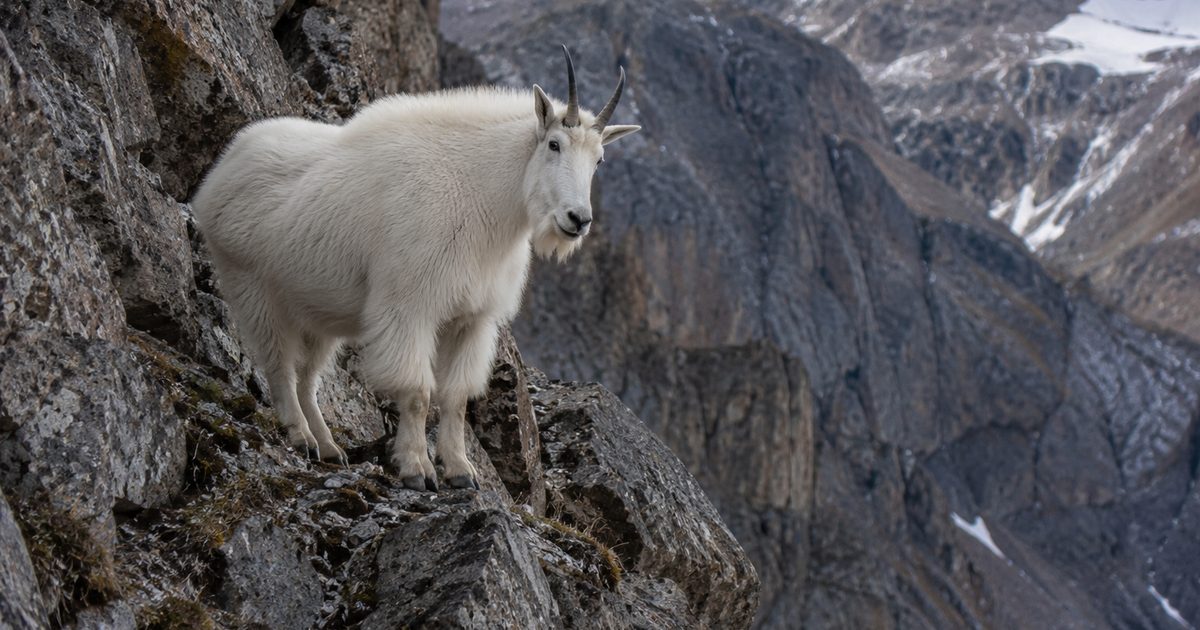
Idaho issues roughly 80 to 120 mountain goat tags per year statewide. That’s a small number in absolute terms, but it puts Idaho in the same tier as Montana for tag volume — and well ahead of states like Oregon, Washington, or Wyoming. If you’re serious about drawing a mountain goat tag in your lifetime, Idaho deserves a spot in your application strategy.
The state runs a preference point system that rewards consistent, patient applicants. It’s not a system that’ll break your heart in year three, but it’s also not one where you’re drawing on your first try unless the random lottery gods smile on you. The realistic path to an Idaho mountain goat tag runs 10 to 25 years for most hunters depending on zone, point total, and how aggressively you manage your applications.
How Idaho’s Goat Draw Works
Idaho uses a preference point system with a weighted-draw structure. Each year you apply without drawing, you earn one preference point. Those points give you additional weighted entries in the draw — specifically, hunters with more points receive more chances. Idaho doesn’t use a strict highest-point-gets-the-tag model; there’s still a random component that lets zero-point applicants draw in any given year, though the probability is low.
The application period for Idaho controlled hunts typically runs in the spring. Goat tags fall under Idaho’s controlled hunt system, and the draw results come out in the summer. You can apply for one goat hunt per year, and you keep your points if you don’t draw. Draw a tag, kill a goat, and you’re permanently done — Idaho mountain goat is a once-in-a-lifetime permit with no second chances.
Tag allocations for individual hunt areas are set by Idaho Department of Fish and Game (IDFG) each year based on population surveys and management objectives. The statewide number of 80 to 120 tags masks significant variation between zones — some hunt areas issue a handful of tags, others issue 15 or more.
Once-in-a-Lifetime Means Exactly That
Idaho mountain goat is a once-in-a-lifetime permit. Draw it, kill a goat, and you’ll never apply again. This designation should shape your entire strategy — which zone you apply for, when you time your draw, and how seriously you prepare for the hunt itself. Don’t rush into a lower-quality hunt area just to draw faster.
Major Mountain Goat Zones
Selway-Bitterroot Wilderness
The Selway-Bitterroot is the most famous goat country in Idaho — and it’s earned that reputation. The wilderness spans roughly 1.3 million acres of steep, roadless terrain on the Montana-Idaho border, with goat populations distributed across the highest ridgelines and cliff bands. This is remote hunting at a serious level. Most hunters in Selway-Bitterroot goat zones are packing in on horseback or setting up extended backpack camps.
Tag allocations in the Selway-Bitterroot hunt areas are modest — typically 5 to 15 per zone annually — and draw pressure is high. Expect point requirements to be on the steeper end of Idaho’s goat draw system. The upside is that these goats live in spectacular country, and a Selway billy ranks among the most memorable trophy animals in the lower 48.
Sawtooth Range and Central Idaho
The Sawtooth Mountains and the broader central Idaho highlands around the Frank Church River of No Return Wilderness hold mountain goat populations in several hunt areas. These zones offer a different flavor than the Selway-Bitterroot — still rugged, but slightly more accessible via the network of roads and trails that penetrate the Frank Church boundary.
Central Idaho goat hunting tends to draw serious attention from both residents and nonresidents. The combination of reasonable access relative to the Selway and genuinely good trophy quality makes these units competitive. Point requirements in the best central Idaho zones can run nearly as high as the Selway-Bitterroot, though there’s more variation across the specific hunt areas.
Lemhi Range
The Lemhi Range in east-central Idaho doesn’t get as much attention as the Selway or Sawtooth, and that’s reflected in the draw odds. Lemhi goats are legitimate trophy animals — good horn quality, reasonable populations — but the hunt areas here tend to see lower application totals than the marquee zones.
For a hunter who’s done the research and is willing to put in field time in less-publicized country, the Lemhi can offer a meaningfully faster path to a drawn tag. The terrain is still demanding — the Lemhi Range tops out above 12,000 feet at Borah Peak — but hunters who’ve put in time here consistently report quality goats and productive hunts.
Borah Peak Area
Borah Peak itself (12,662 feet, Idaho’s highest summit) sits within a zone that holds mountain goat populations. The terrain here is extreme by any measure. What the area lacks in access, it makes up for in scenery and the bragging rights that come with hunting the shadow of Idaho’s tallest mountain.
Tag allocations in the Borah Peak vicinity tend to be small — usually single digits per zone — and the physical demands of hunting here filter out casual applicants. If you draw one of these tags, you’ll earn it.
Cabinet Mountains (Northern Idaho)
The Cabinet Mountains extend from northwestern Montana into northern Idaho, and the Idaho portion holds mountain goat populations in several hunt areas. Northern Idaho’s Cabinet zones don’t carry the reputation of the Selway-Bitterroot, but they produce quality billies and tend to see lower application pressure.
These zones can be genuinely attractive for a hunter who prioritizes a realistic draw timeline over hunting the most famous country. The Idaho Cabinets share the same rugged character as their Montana counterparts — steep timber, cliff bands, and rocky ridgelines — with the added variable that fewer hunters are competing for the tags.
Spread Your Research Across the Full Hunt Area List
Idaho publishes its complete controlled hunt booklet each year with per-zone tag allocations and harvest data. Before you commit your points to a famous zone, compare it to lower-profile alternatives. The Draw Odds Engine lets you run Idaho goat zone comparisons side by side. Some mid-tier zones cut years off your expected wait.
Draw Odds by Point Level
Zero-point draw odds for Idaho mountain goat in premium zones typically run in the 1 to 3% range for residents. That’s genuinely better than zero-point bighorn odds in most states. In lower-pressure zones — Lemhi, parts of northern Idaho — zero-point odds can push higher, sometimes reaching 5 to 8%.
At five points, resident odds in most zones move into the 5 to 15% range. At ten points, you’re looking at meaningful probability in moderate-pressure zones and competitive odds even in popular areas. The combination of Idaho’s weighted-draw system and the 80-to-120 statewide tag count means the math doesn’t require a 30-year wait for most residents who apply consistently.
Nonresidents face a tighter draw. Idaho caps nonresident mountain goat tags at 10% of each zone’s annual allocation. In a zone issuing 10 tags, that means one nonresident tag — and in some years, none if the allocation rounds down. That compression makes nonresident point management and zone selection dramatically more consequential than it is for residents.
For nonresidents, the realistic path to an Idaho goat tag in a quality zone runs 15 to 30 years of consistent applications in most scenarios. Selecting lower-pressure zones can accelerate that timeline meaningfully.
Resident vs. Nonresident
The 10% nonresident cap shapes Idaho mountain goat hunting in ways that go beyond just odds. Because nonresident tags are a fraction of each zone’s total, nonresidents are competing in a separate and much smaller pool. The same 12-point total that might give a resident a 20% draw chance in a mid-tier zone could leave a nonresident at 5% or less.
Nonresident tag costs in Idaho for mountain goat run in the $2,000 to $3,000 range when drawn, separate from application fees and conservation licenses. The once-in-a-lifetime structure means most nonresidents treat this as a multi-decade investment rather than an annual budget line.
If you’re a nonresident with serious mountain goat intentions, Idaho rewards patience and zone flexibility. Starting applications early and staying consistent matters more than any single zone choice.
Nonresidents: Run the Math on Tag Pool Size Before Applying
In zones with small total allocations — 5 to 8 tags — the nonresident pool may effectively be zero or one tag. Your odds in those zones aren’t just lower, they’re near-impossible regardless of point total. Focus on zones with larger allocations where the 10% cap actually produces a realistic nonresident tag slot each year.
Trophy Quality Expectations
Idaho mountain goats are legitimate trophy animals. Mature billies across the major Idaho zones typically carry 9 to 11 inch horns with solid base circumference. The Selway-Bitterroot and central Idaho Frank Church zones tend to produce the heaviest billies — animals with access to quality alpine forage and low population density.
The Lemhi Range and northern Idaho zones produce slightly smaller average animals, but the gap isn’t dramatic. A well-judged Lemhi billy is still a once-in-a-lifetime trophy by any standard. What separates Idaho’s top zones from the mid-tier ones is less about raw horn size and more about the experience — the country you’re hunting, the difficulty of the access, and what the whole thing looks like in your memory 20 years later.
Field judging mountain goats is legitimately hard. Nannies and billies can look similar at a distance, particularly early in the season before rut-related behavioral differences become obvious. Don’t rush the identification process on a once-in-a-lifetime permit.
Idaho vs. Montana: The Comparison
Montana and Idaho are the two most accessible mountain goat draws in the West for most applicants. Here’s how they compare:
Tag volume: Montana typically issues 120 to 180 tags annually; Idaho issues 80 to 120. Montana has more total tags, which generally means more opportunities distributed across more zones.
Draw system: Both use weighted preference point systems with random components. Montana’s combination system may give slightly better odds to low-point applicants in some districts. Idaho’s system rewards consistent long-term applicants similarly.
Nonresident access: Both states apply 10% nonresident caps. The practical experience is similar — tight pools, zone selection is critical, patience is required.
Trophy quality: Montana’s Beartooth and Absaroka-Beartooth zones produce some of the largest billies in the state. Idaho’s Selway-Bitterroot and central Idaho zones are competitive with all but Montana’s absolute top trophy areas.
Terrain and experience: Idaho’s Selway-Bitterroot is among the most remote and challenging mountain goat country in the lower 48. If that’s what you’re after, Idaho has no equal. Montana offers a wider range from extremely rugged to relatively accessible.
The practical recommendation: apply in both states if you’re serious about drawing a goat tag in the next 10 to 15 years. They’re not mutually exclusive. Points accumulate independently, and one draw won’t affect your applications in the other state.
Start Applying Before You Feel Ready
You don’t need to have your physical conditioning dialed in or your gear sorted out to start earning preference points. The time to begin applying is now, not after you feel “ready” for a mountain goat hunt. Points earned this year are points that compound over years of applications. Start the clock.
Building Your Idaho Goat Strategy
Apply every year without exception. Skipped years cost you preference points you can never recover, and in Idaho’s weighted system, those gaps compound over time.
Research zones before committing. The Idaho draw odds page tracks current-year application data by zone so you can see where your point total stands in the actual draw pool. Famous zones get the most applicants. Mid-tier zones with legitimate trophy quality and lower application pressure can cut years off your expected wait time.
Once you draw, take the physical preparation seriously. Idaho mountain goat hunting — particularly in the Selway-Bitterroot or central Idaho backcountry — demands real fitness. Elevation, steep terrain, and extended pack distances aren’t suggestions. Most hunters who’ve done it recommend 6 to 12 months of dedicated conditioning before the hunt.
The once-in-a-lifetime designation also means thinking carefully about guide and outfitter decisions. In the most remote Idaho zones, having a licensed outfitter with area-specific knowledge can make the difference between filling a tag and coming home empty-handed. In more accessible zones, a well-prepared DIY hunt is realistic.
Frequently Asked Questions
How many Idaho mountain goat tags are issued annually? Idaho typically issues 80 to 120 mountain goat tags statewide, with individual zone allocations ranging from a few tags to 15 or more depending on population surveys and management objectives set by IDFG.
Can I apply for Idaho and Montana mountain goat in the same year? Yes. These are separate state systems with separate applications and separate preference point pools. Applying in both states doesn’t affect your odds in either.
When does the Idaho goat application period open? Idaho’s controlled hunt application period typically runs in late winter to early spring. Verify current dates at idfg.idaho.gov each year — deadlines shift slightly from season to season.
What do mature Idaho billies typically score? A mature Idaho billy in a quality zone will typically carry 9 to 11 inch horns. Record-book entries come out of Idaho’s top zones with some regularity, though most hunters go in expecting a quality representative animal rather than a minimum-score trophy.
Is there a preference point cap in Idaho? Idaho doesn’t impose a hard preference point cap for mountain goat. Points accumulate without ceiling, which benefits long-term consistent applicants and means the application investment is never wasted.
Next Step
Check Draw Odds for Your State
Tag-level draw odds across 9 western states — filter by species, unit, weapon, and points. Free to use.
Get the Insider Edge
Join hunters getting exclusive draw odds data, gear deals, and weekly hunt planning tips.
Related Articles

Western State Draw Systems Explained
How all 9 western state hunting draw systems actually work — preference points, bonus points, and pure lotteries compared side by side with real odds data.

Arizona Bighorn Sheep Draw Odds Guide
Arizona bighorn is the definition of a lifetime tag. Here's the point math, unit breakdown, and why you apply every year regardless of your bonus point total.

Arizona Fall Turkey Draw Odds Guide
Arizona fall turkey is a low-point draw in the ponderosa country. Here's the unit breakdown, typical point requirements, and how to stack it with other Fall Draw applications.
No comments yet. Be the first to share your experience!