Backcountry Hunting Fitness: A 6-Month Training Plan That Actually Works
A structured 6-month fitness training plan for backcountry elk, mule deer, and sheep hunters. Cardiovascular base, loaded hiking, strength training, altitude adaptation, and how to peak for opening day without burning out.
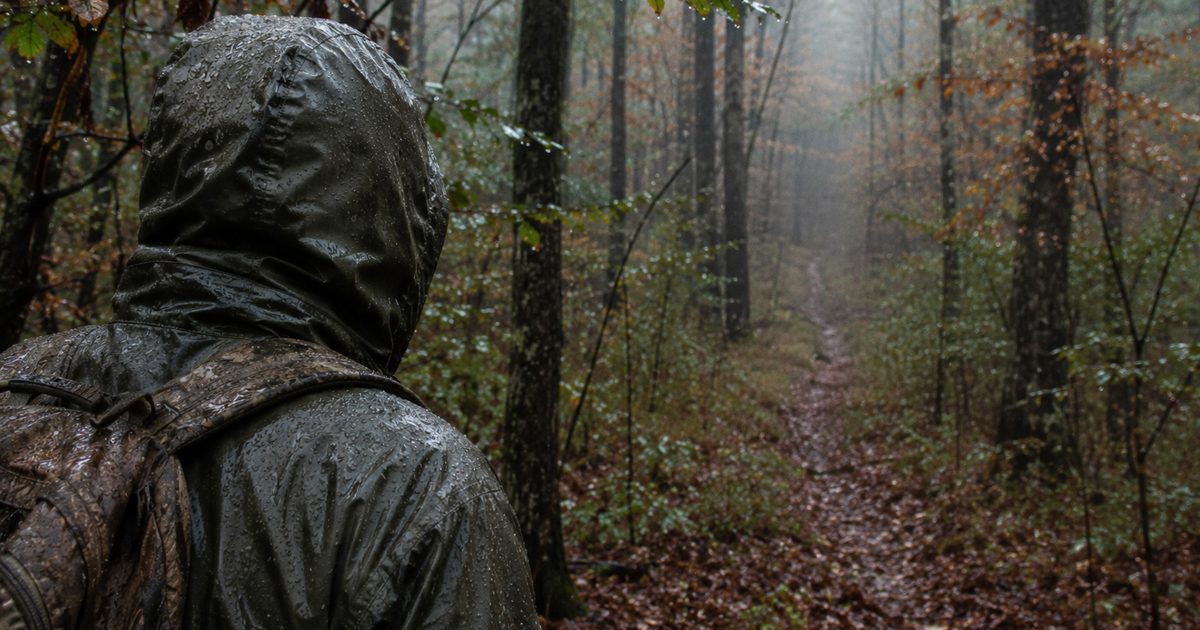
The difference between a hunter who struggles through a backcountry elk hunt and one who dominates it isn’t usually the gear, the tag, or even the elk knowledge. It’s the fitness. A hunter who can cover 10 miles per day with a 50 lb pack at 9,000 feet without depleting their decision-making capacity is hunting effectively. One who’s exhausted by noon is watching opportunities pass because they can’t get there in time or hold it together when a bull finally shows up at 4 PM on day six.
Fitness is the force multiplier that makes every other aspect of a western hunt more effective. You glass longer when your legs aren’t burning. You close distance faster on a moving herd. You make better shot decisions when your brain isn’t running on fumes. Six months of targeted training is enough to transform anyone from the first category into the second — if you train smart, train specifically, and don’t start too late.
What Backcountry Hunting Actually Demands
Before building a training plan, you need to understand what the hunt itself will ask of your body. It’s not what most people imagine.
The physical demands of an elk or mule deer hunt at altitude look like this: hiking 5–12 miles per day across steep, uneven terrain at 8,000–12,000 feet of elevation while carrying 30–60 lbs on your back. Sustained aerobic output held at 60–75% of maximum heart rate for 4–8 consecutive hours. The ability to recover overnight — sleep well in a tent, eat enough calories in the field — and then go do the same thing again the next day for 7–10 days. Intermittent bursts of higher output: sprinting a saddle to beat a wind shift, climbing a steep rim to reach a glassing bench, hauling a loaded pack frame with 80–100 lbs of boned meat out over two or three trips.
And mental clarity. At the end of day eight when a bull steps into a clearing at 450 yards in fading light, you need to be able to think clearly, range accurately, and execute a shot. That’s the hardest thing to train for and the first thing that fails when fitness isn’t there.
These specific demands define what the training program should develop: aerobic engine, loaded hiking capacity, posterior chain strength, and recovery efficiency.
Phase 1 (Months 1–2): Building the Aerobic Base
In the first two months, the focus is strictly aerobic base — low-intensity, high-volume cardiovascular work. Nothing more. This phase is about building the engine that will sustain hours of elevated output without crossing into anaerobic territory, where lactic acid accumulates and performance degrades fast.
The tool is Zone 2 training: exercise at an intensity where you can hold a full conversation, roughly 60–70% of your maximum heart rate. Three to four sessions per week, 45–75 minutes per session. The specific activity matters less than the intensity — hiking, cycling, rucking, swimming, and elliptical all develop the same aerobic adaptations. What doesn’t work is treating Zone 2 sessions like they’re easy and letting intensity creep up. If you can’t talk, you’ve drifted out of Zone 2 and the benefit shifts.
Avoid high-intensity intervals during this phase. The training adaptation you’re after — increased mitochondrial density, improved fat oxidation, greater cardiac stroke volume — develops with volume and time, not with intervals. Save the hard work for later.
Zone 2 Is the Foundation of Everything
If you only take one thing from Phase 1, it’s this: Zone 2 training is the most important work you’ll do for a backcountry hunt. More so than any strength session, any interval workout, any specialty class. The ability to sustain hours of moderate-intensity aerobic output without breakdown is what separates hunters who hunt all day from hunters who’re done by noon. Build this engine first. Everything else is built on top of it.
By the end of two months, you should be completing three to four Zone 2 sessions per week without significant fatigue accumulation. Your resting heart rate will likely drop a few beats. Recovery will feel faster. That’s the signal that Phase 2 is ready.
Phase 2 (Months 3–4): Loaded Hiking and Strength
Months three and four introduce the specific physical demands of pack hunting. The aerobic base is in place — now you’re adding the training that’s most directly applicable to what the hunt requires.
The centerpiece of this phase is the weekly long loaded hike. Start at 8 miles with 25 lbs and build progressively — add distance and weight each week — so that by the end of month four you’re completing 12 miles with 40–45 lbs without breaking down. Use terrain with real elevation gain if you can access it. Flat road miles with weight are better than nothing, but steep terrain is what the hunt will present, and your body adapts to the specific stress you put on it.
Two strength sessions per week round out the phase. The priority is posterior chain — glutes, hamstrings, and lower back — because these are the muscles that fail first on sustained downhill travel under load. Quad soreness gets all the attention, but it’s the posterior chain that breaks hunters down on day three of a 10-day trip. Squat variations, Romanian deadlifts, single-leg work like Bulgarian split squats and step-ups, and hip hinge patterns. Core stability work matters too — not crunches, but anti-rotation and anti-extension work: planks, side planks, Pallof presses, dead bugs. A stable core under pack load dramatically reduces back injury risk over a multi-day hunt.
Loaded Hiking Is the Most Specific Training You Can Do
No amount of gym work substitutes for actual miles on foot with actual weight on your back. The joint loading patterns, the foot positioning on uneven ground, the hip and ankle stability demands — these can’t be replicated on a treadmill or a bike. If you have time for only one training session per week, make it a loaded hike. Start with whatever weight you can manage and add 5 lbs every two weeks. The adaptation is specific to the stress.
By the end of month four, the loaded hiking sessions should feel manageable — hard work but not destructive. If you’re consistently trashed for two days after a 10-mile rucksack, the load is too heavy or the weekly volume is too high. Scale back and build more gradually.
Phase 3 (Month 5): Peak Training and Altitude Simulation
Month five is where you push. Increase total weekly training volume by 20–30% over your month four baseline. Add one high-intensity session per week — hill repeats, a stair climb with weight, or an incline treadmill at high grade for 20–30 minutes of hard effort. This is the phase that simulates the volume and periodic high-intensity demands of the hunt itself, and it’s where the most significant fitness gains happen.
If you can access altitude during this phase, do it. A weekend at 8,000–10,000 feet elevation four to six weeks before your season opens is the best altitude preparation available. Your body will begin producing additional red blood cells in response to the lower oxygen partial pressure, and you’ll return with an improved aerobic capacity at your home altitude that persists for three to four weeks. Two weekends at altitude is better than one.
If altitude travel isn’t practical, compensate by maximizing the elevation gain in your training routes. Long ridge climbs, repeated hill efforts, any terrain that puts sustained uphill demand on your cardiovascular system. It’s not a perfect substitute for actual altitude, but it develops the fitness that makes altitude adaptation faster when you arrive at the trailhead.
Sleep and nutrition are not optional supplements to this phase — they’re half of the training itself. The physical adaptations from training happen during recovery, not during the sessions. Eight hours of sleep and adequate protein intake (0.7–1 gram per pound of bodyweight daily) are as important as the workouts. Skimp on recovery and the fitness gains from this demanding phase won’t materialize.
Phase 4 (Month 6 / Final Hunt Prep): Taper and Peak
Two weeks before your season opener, drop training volume by 30–40% while keeping intensity the same. This is the taper. You’re not getting less fit — you’re allowing accumulated fatigue to clear so the fitness you’ve built becomes fully accessible on opening day. This is how competitive endurance athletes peak for events, and it works identically for hunters.
A common mistake is to feel restless during the taper, interpret the reduced training volume as doing something wrong, and try to cram in extra sessions. Don’t. The last-minute hard training produces fatigue, not fitness. The fitness is already built. What you need now is fresh legs, a sharp mind, and sleep.
The week of the season opener: keep activity light, stay hydrated, eat real food, and sleep as much as possible. If you’re driving to a trailhead the night before opening day, sleep is more valuable than any last-minute scouting or preparation task you might otherwise stay up for.
Less Is More in the Final Two Weeks
Cutting training volume by 30–40% in the two weeks before the hunt isn’t backing off — it’s how you peak. The fitness adaptations are locked in. What you’re clearing is the accumulated fatigue that’s been masking them. Hunters who maintain full training load right up to opening day often feel flat and heavy-legged for the first three days of the hunt. Taper correctly and you’ll feel genuinely strong on day one.
The Most Common Training Mistakes
Most hunters who arrive at a backcountry hunt underprepared made one of the same predictable errors.
Starting too late. Eight or ten weeks isn’t enough time to develop real aerobic capacity. The aerobic engine takes months to build. Six months is the minimum for a meaningful transformation; eight months is better for someone starting from a low fitness baseline.
Training only on flat terrain. If your entire training program is flat roads, bike paths, and gym machines, your body is adapting to flat terrain. Hunting terrain is steep. Get on hills, get on stairs, get on trails with real elevation change. The adaptation is specific to the stress you impose.
Not training with your actual pack weight. The jump from a 25 lb training load to a 50 lb hunting load is significant — not just in weight, but in how it changes your gait, loads your joints, and affects your energy expenditure. Train in the upper range of what you’ll carry. Your body needs to be adapted to that specific demand before the hunt, not introduced to it on day one.
Overdoing intensity too early. High-intensity training feels productive and delivers fast early results, but it also creates injury risk and prevents the aerobic base development that zone 2 work produces. Build the base first. Add intensity in month five.
Neglecting recovery. Sleep and nutrition aren’t optional extras — they’re the mechanism through which training adaptations occur. A hunter sleeping six hours and eating poorly while training hard is getting maybe 60% of the benefit from the same sessions. Recovery is training.
Altitude Acclimatization
If you live at or near sea level and you’re hunting above 8,000 feet, altitude is a genuine variable. Reduced oxygen partial pressure at elevation limits the maximum aerobic output your body can sustain — you simply can’t burn as much oxygen per breath, and performance drops accordingly.
Acclimatization happens over 3–5 days at the target elevation. Your body responds to reduced oxygen by producing erythropoietin (EPO), which stimulates red blood cell production, and by increasing respiratory rate and cardiac output. By day four or five at elevation, performance meaningfully improves. By day seven to ten, most people are at roughly 90% of their sea-level aerobic capacity.
If your hunt allows for early arrival — particularly relevant for guided hunts or early season backpack trips where flexibility exists — arriving 3–4 days before you need to perform at full capacity is more valuable than any single piece of gear or training session. If you can’t arrive early, go slower on days one and two. Accept reduced output, drink more water than you think you need, and don’t push hard. Performance will come back on its own by days three and four.
Training Can't Substitute for Altitude Acclimatization
No amount of sea-level fitness training eliminates the altitude adjustment period. High aerobic fitness makes acclimatization faster — fit athletes adapt more quickly than sedentary ones — but everyone goes through it. If you’re hunting above 9,000 feet and you live below 3,000 feet, plan for reduced output on days one and two regardless of your fitness level. Push through it too hard and you risk altitude sickness, which can end a hunt.
Putting It Together
The six-month program works because it matches the training stimulus to the phase of adaptation. Months one and two build the aerobic engine without interference from high-intensity work. Months three and four add the hunting-specific demands — loaded hiking, strength, posterior chain — on top of that aerobic foundation. Month five pushes volume and intensity to simulate the demands of the hunt. The final weeks allow accumulated fatigue to clear so you peak at the right time.
You don’t need a gym membership, a coach, or specialized equipment. You need time, hills, a loaded pack, and consistency. Three to four sessions per week for six months, progressing load and volume systematically, with sleep and food treated as part of the training rather than afterthoughts.
The backcountry elk or sheep country you’re hunting is going to demand everything you’ve built. Show up ready, and the physical demands become background noise — something your body handles automatically while your mind stays on the hunting.
Next Step
Check Draw Odds for Your State
Tag-level draw odds across 9 western states — filter by species, unit, weapon, and points. Free to use.
Get the Insider Edge
Join hunters getting exclusive draw odds data, gear deals, and weekly hunt planning tips.
Related Articles

Arizona Elk Calling: September Archery
September archery elk in Arizona means calling. Here's the practical guide to bugles, cow calls, and the timing that produces bulls.
Arizona Hound Hunting Regulations Guide
Arizona hound hunting for bear and lion requires specific permits and tags. Here's the complete regulatory guide for 2026.

Arizona Shed Hunting: Rules & Season Guide
Arizona has specific rules on shed antler collecting. Here's the complete guide to the season, the ethics, and the most productive areas.
No comments yet. Be the first to share your experience!