How to Hire a Hunting Outfitter: A Complete Guide to Guided Hunts
When a guide or outfitter is worth every dollar and when you're better off going DIY — outfitter models explained, questions to ask before booking, red flags to avoid, realistic costs by species, and how to verify who you're hiring.
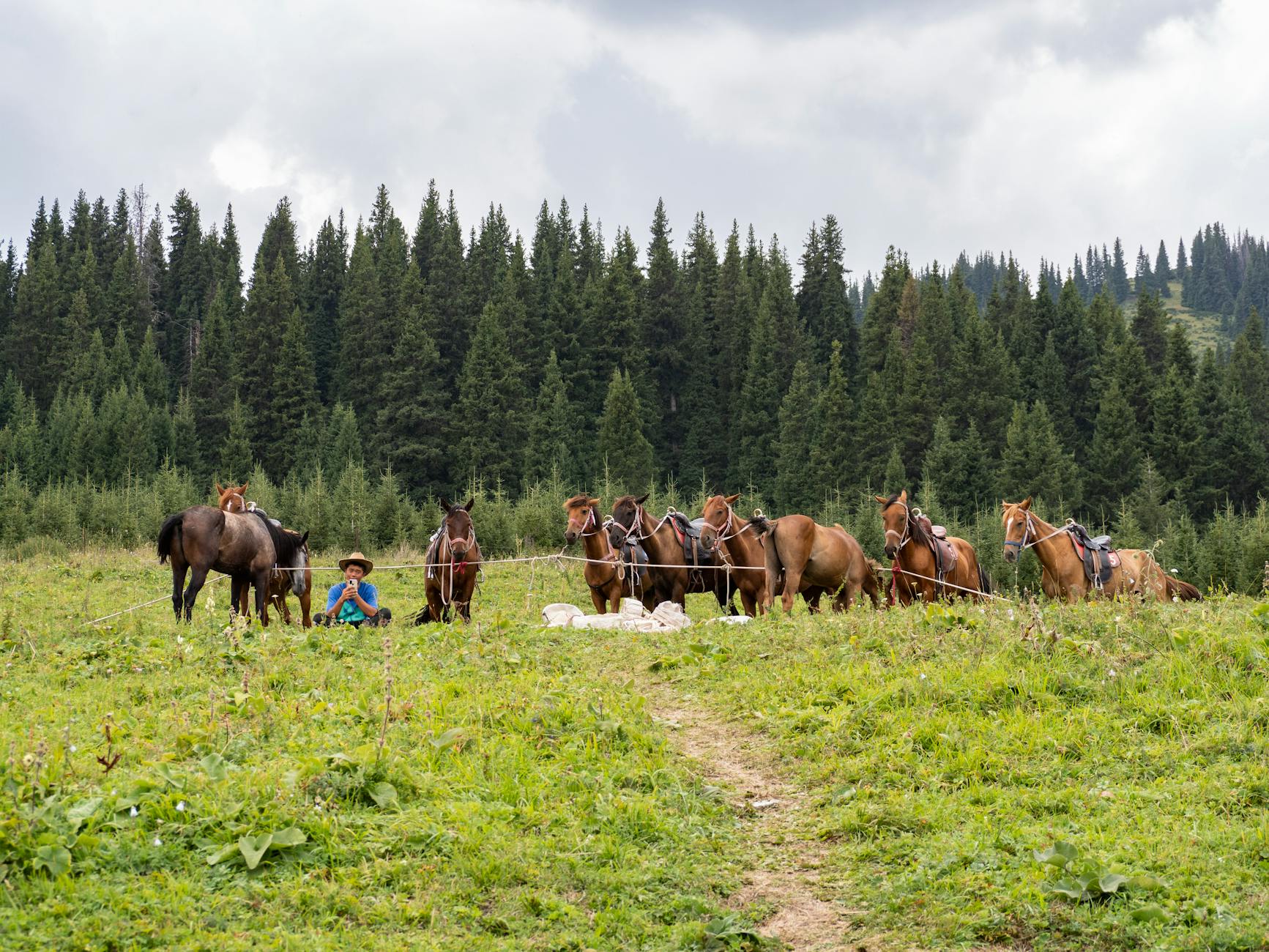
Hiring an outfitter is one of the biggest financial decisions a hunter makes. You’re not buying a rifle or a pack — you’re committing thousands of dollars to an experience that can’t be refunded if things go sideways. Done right, a guided hunt unlocks country you’d never access on your own, puts you in front of a professional who’s spent years learning that specific ground, and turns a once-in-a-lifetime tag into a genuine shot at success. Done wrong, it’s a very expensive camping trip.
This guide walks through every step of the process: when a guide actually makes sense, what the different outfitter models mean in practice, the questions that separate good outfitters from great ones, and how to protect yourself before you ever send a deposit.
When Guided Makes Sense — And When It Doesn’t
Not every hunt needs a guide. A mule deer opener in familiar country you’ve hunted for ten years? Go DIY. But there are situations where hiring a professional isn’t just convenient — it’s the difference between success and tag soup.
Terrain difficulty. Some units require horses to access the best elk country. Pack strings covering 8 to 12 miles of wilderness access elk that day hunters and backpackers rarely reach. If you don’t own horses and don’t have a network of packers, an outfitter is how you get in there.
Species unfamiliarity. Sheep hunting is a different universe from deer hunting. Bighorn rams bed in places most people don’t even look, and reading those cliffs takes years of experience. If you’ve drawn a coveted sheep tag and you’ve never hunted alpine terrain, pairing with a guide who has put clients on rams in that unit is just smart odds management.
Land access requirements. Many states require nonresidents to hire a licensed outfitter for certain wilderness areas. Montana’s Bob Marshall Wilderness has this requirement for nonresident hunters. It’s not optional — it’s the law. Check your state’s regulations carefully before assuming you can go unguided.
Once-in-a-lifetime tags. If you’re holding a tag you’ll never draw again — Arizona strip mule deer, Nevada desert bighorn, any premium sheep tag — the marginal cost of a guide versus the tag’s true value is worth reconsidering.
DIY works well when you know the country, you have the physical fitness to cover it, access isn’t restricted, and the species doesn’t require specialized expertise. Western elk hunting on public land, pronghorn on familiar ground, whitetail in states you’ve hunted for years — all of these are strong DIY candidates if you’re willing to put in the scouting time.
First Time in the West?
If you’ve only hunted eastern whitetails and you’ve just drawn a Rocky Mountain elk tag, strongly consider at least a semi-guided option for your first trip. Western terrain, altitude, and elk behavior are genuinely different — a guide’s knowledge can be worth more than any gear purchase.
The Three Outfitter Models
Before you start comparing prices, you need to understand what you’re actually buying. “Guided hunt” means different things to different outfitters.
Fully guided means the outfitter handles everything. Horses or vehicles to camp, wall tent or lodge, meals cooked for you, a dedicated guide who spends every hunting hour with you, and pack-out of your animal. This is the premium model — and the most expensive. When an outfitter quotes $12,000 for a bull elk hunt, this is typically what you’re getting.
Semi-guided splits the difference. The outfitter provides camp infrastructure, usually a cook, and periodic guide assistance — they’ll show you the country, point you toward productive areas, and be available for questions — but you’re hunting independently during the day. Semi-guided hunts often run 60 to 70 percent of the fully guided price.
Drop camp means the outfitter packs you in, sets up your camp, and packs you back out at the end. That’s it. No guide, no cook, no daily assistance. You’re hunting on your own in remote country with access you couldn’t get otherwise. Drop camps are the most affordable outfitter option and work well for experienced hunters who want wilderness access without hand-holding.
Know which model you want before you start calling outfitters. Comparing a drop camp price to a fully guided quote isn’t an apples-to-apples comparison.
What to Ask Before You Book
This is where most hunters skip too fast. A good outfitter conversation takes an hour. If you’re spending $8,000, spend the hour.
Hunter success rates. Ask for the last three to five years, broken down by weapon type. Don’t accept a blanket “70% success rate” — ask exactly how that’s calculated. Does “success” mean a harvest, or does it mean a shot opportunity? An outfitter who counts “clients who saw a bull” as success is telling you something important.
Guide-to-hunter ratio. Fully guided hunts should have one guide per one or two hunters at most. If an outfitter is running one guide for four hunters, you’re not getting much individual attention regardless of what the brochure says.
Are tips mandatory? Some outfitters bake tip expectations into their contract language. Standard guide tip is 15 to 20 percent of the hunt price, and some operations make it feel obligatory even when service is poor. Ask upfront what the tipping culture is.
Licensing and insurance. Your outfitter should be licensed in the state where you’re hunting — that’s a legal requirement, not a bonus. Ask for their outfitter license number and verify it with the state wildlife agency. Ask whether they carry general liability and workers’ comp insurance, and whether your gear is covered during the pack-in and pack-out.
What happens if weather ruins hunting? Ask what their policy is for extended bad weather, hunting closures, or circumstances outside your control. A reputable outfitter will have a clear answer. Vague responses here are worth noting.
Verify the License Yourself
Don’t take an outfitter’s word for their licensing status. Every state wildlife agency maintains a public database of licensed outfitters and guides. Spend five minutes searching before you send any money.
Red Flags in Outfitter Marketing
Outfitter marketing is unregulated. Anyone can claim anything on a website. Watch for these patterns:
Success rates above 90% without explanation. Real elk hunting has off years. Any outfitter claiming 95% success across multiple seasons either has a very unusual definition of success or isn’t being straight with you.
Generic photos and stock footage. If a hunting website has no photos of actual clients with actual animals from that operation, that’s a gap worth questioning. Ask for recent hunt photos directly.
Pressure tactics. “This spot will be taken by the weekend” is a high-pressure sales line, not a scheduling reality in most outfitter businesses. Legitimate operations fill from their existing client base and referrals. Hard pressure to book immediately is a red flag.
References they provide without being asked. A reference list the outfitter handed you before you even asked for one is a curated list of their happiest clients. Ask for contact information for the last five hunters in your target season — not a preselected list.
No written contract. Walk away from any outfitter who won’t put the hunt details, deposit terms, cancellation policy, and refund conditions in writing. A handshake deal has no standing if something goes wrong.
Realistic Costs by Species
Hunt prices have risen significantly over the past decade. Here’s what you should expect to pay for a fully guided hunt with a reputable outfitter:
- Elk (rifle, 5-7 day hunt): $4,500 to $15,000+ depending on state, access, and trophy quality focus
- Mule deer (rifle or archery): $3,500 to $8,000 for most western states
- Pronghorn: $2,500 to $5,000 for guided hunts in Wyoming and other top states
- Desert bighorn or Rocky Mountain bighorn sheep: $15,000 to $35,000+, with some operations higher
- Dall sheep (Alaska): $18,000 to $30,000+
Drop camps run considerably less — often $1,500 to $3,000 for pack-in, camp setup, and pack-out. That doesn’t include licenses, tags, or meat processing.
Ask About Off-Peak Pricing
Many outfitters offer reduced rates for shoulder season hunts, archery-only seasons, or hunters willing to take the last available slot in the calendar. You can sometimes save 20 to 30 percent without sacrificing quality — the country and the guide are the same.
Deposits and Cancellation Policies
Industry standard is a 25 to 50 percent deposit at booking with the balance due 60 to 90 days before the hunt. Be cautious of outfitters who ask for full payment at booking — that’s unusual and leaves you exposed.
Cancellation policies vary widely. Some outfitters offer full refunds if cancelled 12 months out, with sliding scale losses as the hunt date approaches. Others have no-refund policies after a certain point. Read this section of your contract carefully.
Trip cancellation insurance is worth considering for hunts over $5,000. Several travel insurance companies cover hunting trips, including tag non-draw situations in some policies. Buy it within 14 days of your initial deposit to preserve pre-existing condition coverage.
If an outfitter cancels on you — due to their license revocation, a fire, or another reason within their control — you should be entitled to a full refund. Make sure that’s spelled out explicitly in your contract.
Getting the Most Out of Your Guided Hunt
Once you’re in the field, the dynamic shifts. You hired a professional — trust them.
Don’t override your guide’s judgment on approach angles, calling strategy, or shot decisions based on what you read on a forum. They know that specific ground. Listen more than you talk, especially in the first two days.
Get in shape before you go. This is the part hunters consistently underestimate. A guided hunt doesn’t mean an easy hunt — it means you’re hunting better country, often at higher elevation, with a guide who can cover terrain at a pace that surprises clients who aren’t ready for it. Six weeks of elevation-specific cardio makes a real difference.
Communicate what matters to you before the hunt starts. If you want to hold out for a mature bull versus filling the tag on the first legal animal, say that on day one. If you have a physical limitation the outfitter should know about, tell them before you’re three miles into the backcountry.
The guides who go the extra mile are the ones who feel respected by their clients. Show up on time, be honest about your abilities, stay positive when hunting gets hard, and tip well when they earn it. Those guides will work harder for you — and remember you when a cancellation slot opens in a premium season.
The Real Measure of a Good Outfitter
The best outfitters aren’t the ones with the slickest websites. They’re the ones whose clients rebook year after year and send their sons and daughters. Ask how long their average client has been coming back. That number tells you more than any success rate.
A guided hunt at its best is a partnership. You bring the fitness, the tag, and the right attitude. They bring the country knowledge, the logistics, and the years spent figuring out where animals go when the pressure mounts. When both sides deliver, it’s the kind of trip you’ll be talking about for the rest of your life.
Next Step
Check Draw Odds for Your State
Tag-level draw odds across 9 western states — filter by species, unit, weapon, and points. Free to use.
Get the Insider Edge
Join hunters getting exclusive draw odds data, gear deals, and weekly hunt planning tips.
Related Articles
Arizona OTC Archery Deer 2026: Unit Limits and Closures
Arizona's OTC archery deer season opens August 21, 2026 — and units close the moment harvest limits fill. Here's every unit's limit, plus the best bets by real archery success rates.
Colorado OTC Elk in 2026: What Changed for Nonresidents
Colorado eliminated unlimited nonresident OTC archery elk west of I-25 for 2026 — and Gunnison rifle tags went draw-only. Here's exactly what's still on the shelf and how to hunt this fall anyway.
Colorado Reissue Licenses: How to Grab Returned Elk Tags
Every Wednesday through fall, CPW sells back surrendered limited licenses — including elk tags nonresidents can't get any other way in 2026. Here's the Tuesday-Wednesday ritual that actually lands one.
No comments yet. Be the first to share your experience!