How to Apply for Elk Tags: A State-by-State Guide for Western Hunters
How to apply for elk tags in the western states. State-by-state application process, preference vs. bonus points, deadlines, resident vs. nonresident differences, and a strategic framework for building a multi-state elk portfolio.
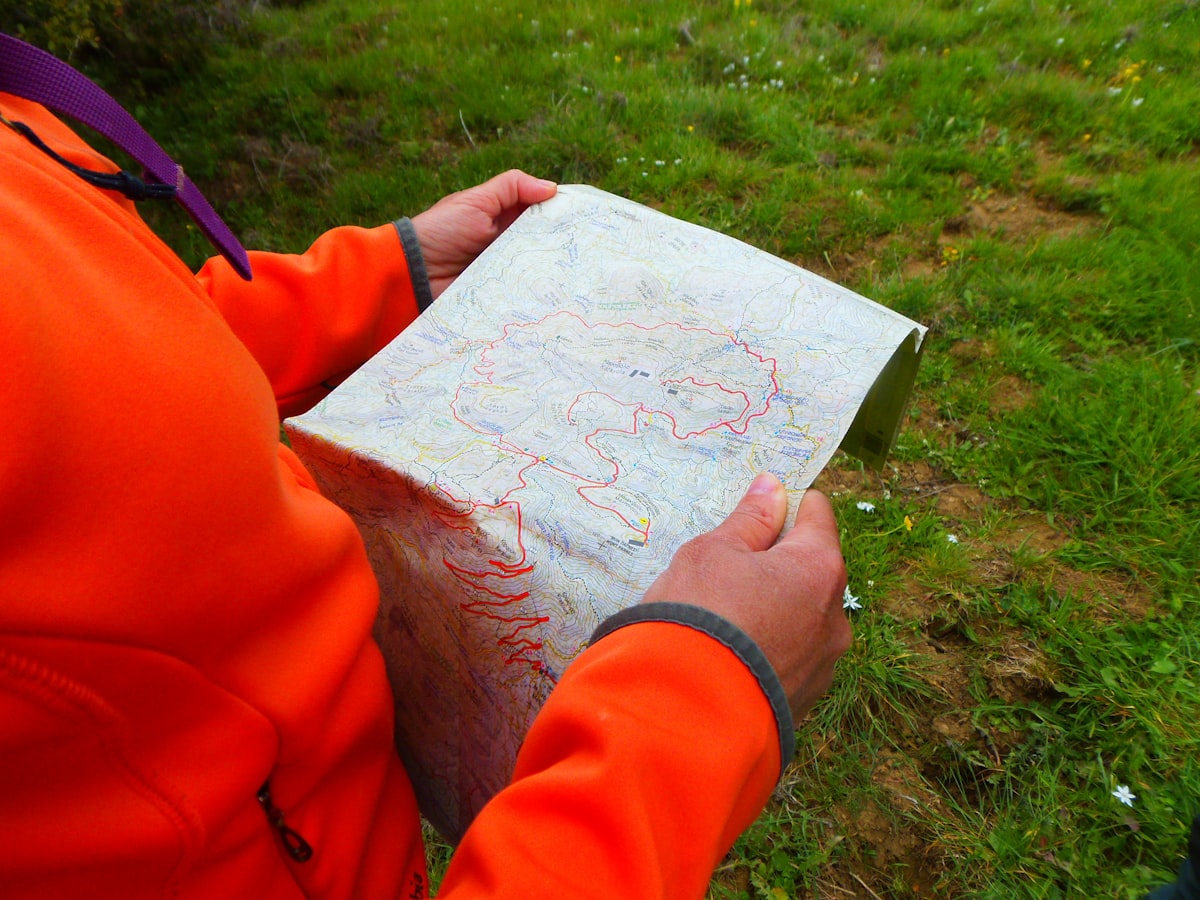
Most western elk hunters understand that drawing a tag is part of the game. Fewer understand the mechanics well enough to build an efficient multi-state strategy. The hunters who fill the most elk tags aren’t necessarily better at hunting — they’re better at applying. They’ve learned which states to target, when to apply, and what a missed application year actually costs them.
That cost is the part most hunters underestimate.
Two Systems, Very Different Rules
Every western state runs either a preference point system or a bonus point/lottery system. The distinction matters a lot for how you plan.
Preference point systems — Wyoming, Colorado, Idaho, Utah — assign draw priority based on accumulated points. Wyoming runs the purest version: the highest point holder draws first. It’s a strict threshold, not a probability. If you have enough points to clear a unit’s threshold, you draw. If you don’t, you wait another year.
Colorado and Utah operate modified preference systems. More points increases your draw probability, but it’s still a weighted lottery — a 15-point holder doesn’t automatically beat a 12-point holder. They’re just statistically more likely to draw. The distinction matters when you’re planning a timeline.
Bonus point and lottery systems — Montana, Nevada, New Mexico, Oregon — work differently. Montana runs a largely random draw for most elk tags. No point modifier. A zero-point applicant has the same odds as someone who’s applied every year since 2005. Nevada and Oregon use bonus points that shift your odds over time, but don’t create a hard threshold. New Mexico blends preference and random draws in a hybrid system.
Missing a Year Costs You Permanently
In a preference point state, a missed application year is a point you’ll never replace. A hunter who skips Wyoming elk in 2026 starts 2027 one point behind every applicant who stayed consistent. Set a recurring calendar reminder in January — the deadline window is narrow and it doesn’t move.
Wyoming
Wyoming’s elk draw is one of the most straightforward in the West to understand, and one of the most demanding to succeed in for premium units. Applications open in January and close in late January or early February. One application per species.
The threshold system means high-demand units — Teton, units bordering Yellowstone, units in the 5-Star tier — require 10 to 20+ points. If you’re below that threshold, you simply don’t draw. The good news: a large percentage of Wyoming’s elk country is general license OTC. You can hunt elk in Wyoming without drawing a limited-entry tag, which makes Wyoming a useful destination even while you’re accumulating points for a premium unit.
Apply every single year. The preference point fee is around $15 per species. The WGFD e-licensing portal is at wgfd.wyo.gov.
Colorado
Colorado is the most applied-for elk state in the country, and the application process reflects that. Applications open in late January and close in early April — a longer window than most states, which gives you time to study unit draw odds before committing.
Colorado’s modified preference system includes a dedicated preference draw followed by a random lottery. Point requirements vary dramatically by unit and weapon type. Some archery and muzzleloader units draw at 2 to 5 points. Premium rifle units in the high-demand units require 10 to 15+ points. If you’re a new applicant, archery tags and muzzleloader tags are your fastest path to drawing a limited-entry Colorado elk tag. Colorado Parks and Wildlife at cpw.state.co.us.
Colorado's Lottery Doesn't Guarantee a Draw
Don’t confuse Colorado’s modified preference system with Wyoming’s threshold system. A 15-point Colorado applicant might not draw while a 12-point applicant does — it’s still a weighted lottery. Plan your unit timeline based on average draw odds at your point level, not a hard threshold.
Montana
Montana is the most accessible elk draw state in the West — which is a phrase that requires context. Most Montana elk hunting is over-the-counter for general seasons. Buy a license, buy a tag, go hunt. The limited-entry (LE) designations that do require a draw run a random draw for most designations.
That random draw is significant: a zero-point applicant has identical odds to a twenty-year applicant. There’s no point accumulation advantage. If your name comes up, you draw. Montana FWP at fwp.mt.gov, with applications typically due in late February or early March.
Montana as Your Annual Reset
Because Montana runs a random draw for most LE elk tags, it’s the one state where point accumulation doesn’t determine your outcome. Apply every year for the chance at a quality limited-entry unit, while also keeping your general season OTC option open. It’s the best entry-level draw state in the West.
Idaho
Idaho is the most accessible elk state for a hunter who wants to hunt without a draw at all. The vast majority of Idaho’s elk country is open on a general season tag purchased OTC. No points required. No application deadline to miss.
Controlled hunt (limited-entry) applications open in January and close in late January — the earliest draw deadline in the West. Preference points accumulate for controlled hunts, so if you have a specific quality unit in mind, start the application process now. Idaho Fish and Game at idfg.idaho.gov.
Utah
Utah’s limited-entry elk tags are among the most sought-after in the West. Units like Paunsaugunt, Book Cliffs, and Nebo carry reputations that justify the point investment — but that investment is real. Applications are due in late January or early February.
Utah runs a preference point system with a bonus point modifier. Any-weapon general hunts draw faster than weapon-specific limited-entry tags. The nonresident quota is 10% in most limited-entry units, which compresses the available tags significantly for out-of-state applicants. Plan your Utah elk timeline with the understanding that premium LE units may require 10+ years for nonresidents. Utah DWR at wildlife.utah.gov.
Nevada
Nevada has some of the best elk hunting in the West. It also has some of the most limited tag allocations. Some units issue single-digit tag numbers annually. Applications are due in early to mid-February.
Nevada runs a bonus point system. The math here is straightforward: more points improves your probability, but because tag numbers are so low, even high-point holders wait a long time for premium units. Build Nevada points from year one and treat them as a long-range project. NDOW at ndow.org.
New Mexico
New Mexico’s elk application window is one of the later ones, typically due in mid-March. The state runs a hybrid system — part preference draw, part random draw — with the percentage of tags allocated to each pool varying by unit and season.
The premium addresses are the Gila, Valle Vidal, and San Juan drainage units. These require serious point accumulation for peak seasons, particularly for rifle tags. NM DGMF at wildlife.state.nm.us.
Oregon
Oregon has two populations worth distinguishing: Rocky Mountain elk in the northeast and Columbia River units, and Roosevelt elk on the coast. Applications are due in mid-March. Oregon runs a bonus point system.
The northeast units — Starkey, Wenaha, Ukiah — are where most out-of-state applicants focus their points. These are high-quality Rocky Mountain elk units with real draw competition. Oregon ODFW at myodfw.com.
The Multi-State Portfolio Strategy
The most common mistake serious elk hunters make isn’t applying to the wrong state. It’s only applying to one or two states.
The math on a full western elk portfolio is simple. Annual application fees per state run $10 to $20 per species. A full multi-state application portfolio — Wyoming, Colorado, Montana, Idaho, Utah, Nevada, New Mexico, Oregon — costs $80 to $160 per year. That’s not much money for the optionality it buys. You’re building points in every system simultaneously, which means you’ll eventually have multiple paths to a tag rather than a single bet on one state.
The hunter who applies in eight states from age 25 will have options at 35 that the hunter who applied in two states simply won’t. The opportunity cost of skipping states early compounds over a decade.
A Full Portfolio Costs Less Than One Tank of Gas
Annual elk application fees for all eight major western states add up to $80–160 per year. That’s cheap for what you’re buying: points accumulating in every system, giving you multiple draw paths rather than one. Start the portfolio the first year you apply anywhere.
Application Calendar Summary
| State | Deadline | System | Point Fee (approx.) |
|---|---|---|---|
| Wyoming | Late January | Preference (threshold) | ~$15/species |
| Colorado | Early April | Modified preference + lottery | ~$5/species |
| Idaho | Late January | Preference (controlled hunts) | Modest |
| Montana | Late February | Random lottery (most LE) | ~$5/species |
| Utah | Late January | Preference + bonus modifier | ~$10/species |
| Nevada | Mid-February | Bonus points | ~$15/species |
| New Mexico | Mid-March | Preference + random hybrid | Modest |
| Oregon | Mid-March | Bonus points | ~$8/species |
After You Draw
Drawing a tag is the start, not the finish. The post-draw planning window — unit research, physical preparation, logistics — is where the hunt actually takes shape. For a full planning framework, read the article at /articles/diy-elk-hunt-planning-guide.
The Draw Odds Engine will show you current draw percentages by unit, weapon type, and point level — which is how you actually choose where to invest your point-building years. The Preference Point Tracker keeps your point balances across states in one place. And the Multi-State Planner organizes deadlines so you don’t miss a year.
The mechanics of western elk applications aren’t complicated once you understand the two system types and the deadline windows. What separates consistent tag-fillers from hunters who wait forever isn’t luck — it’s applying everywhere, every year, from the start.
Next Step
Check Draw Odds for Your State
Tag-level draw odds across 9 western states — filter by species, unit, weapon, and points. Free to use.
Get the Insider Edge
Join hunters getting exclusive draw odds data, gear deals, and weekly hunt planning tips.
Related Articles
Arizona OTC Archery Deer 2026: Unit Limits and Closures
Arizona's OTC archery deer season opens August 21, 2026 — and units close the moment harvest limits fill. Here's every unit's limit, plus the best bets by real archery success rates.
Colorado OTC Elk in 2026: What Changed for Nonresidents
Colorado eliminated unlimited nonresident OTC archery elk west of I-25 for 2026 — and Gunnison rifle tags went draw-only. Here's exactly what's still on the shelf and how to hunt this fall anyway.

Colorado Reissue Licenses: How to Grab Returned Elk Tags
Every Wednesday through fall, CPW sells back surrendered limited licenses — including elk tags nonresidents can't get any other way in 2026. Here's the Tuesday-Wednesday ritual that actually lands one.
No comments yet. Be the first to share your experience!