Elk Camp Food: What to Cook, Pack, and Eat During a Mountain Hunt
Everything you need to know about feeding yourself during an elk hunt — from cast iron road camp cooking to high-calorie backcountry rations, altitude boiling, bear storage, and what changes once you've got meat hanging.

Elk camp food is not a single category. It splits immediately into two completely different problems depending on how you’re hunting. Drive-in road camp and backcountry pack camp have almost nothing in common from a food planning perspective — and conflating them is how hunters end up either underfueled in the mountains or hauling cast iron on a stock saddle.
Get the context right first, then build your food system around it. The math changes dramatically based on whether your truck is 200 yards from your tent or two days’ ride away.
Road Camp: Real Cooking Is on the Table
If you’re driving to camp — a pullout off a forest road, a base camp with a horse trailer, a spike camp you can reach in a 4x4 — you can bring real food. That freedom is worth using.
The first night in elk camp deserves a real steak. You’ve driven long, set up camp, and you’re looking at a dawn alarm. The psychological value of a quality meal on night one is real and not something you should plan around freeze-dried pasta. Bring ribeyes or NY strips, keep them in a good cooler with quality ice, and cook them on the first evening before the ice situation becomes complicated.
The road camp staple rotation that consistently works:
Eggs and bacon are the foundation of every morning. Six eggs per person, thick-cut bacon, camp tortillas. Pre-scramble the eggs at home in a container — they travel better and cook faster. Cast iron handles eggs perfectly and survives camp abuse that non-stick pans don’t.
Pre-made breakfast burritos are one of the best road camp hacks available. Make a batch before you leave — scrambled eggs, cheese, chorizo, and diced green chile wrapped tight in foil. Freeze them solid, pack them in the bottom of a cooler under everything else. They’ll hold for three to four days in a well-managed cooler, and on a cold morning they reheat directly in the foil on a grate over the camp stove in ten minutes. No prep, no mess, no thinking before first light.
Chili is the ideal second-day dinner. Make it at home and pack it frozen in a zip-lock or container — it’s basically pre-made camp food. One large batch feeds four hunters for dinner and leftovers for lunch. Heat it on the camp stove in 15 minutes. If you want to run it Dutch oven-style, it’ll stay hot for 45 minutes and you can add a cornbread lid to bake simultaneously.
Marinated chicken travels well and solves the third and fourth night dinner problem. Marinate thighs (not breasts — they stay moist over camp fire temperatures) in zip-locks before you leave. They keep refrigerated in a good cooler for three days. Grill directly on a grate or cook in a cast iron pan on the stove. Pair with pre-cooked rice or instant mashed potatoes.
Cooler Management Makes or Breaks a Week-Long Road Camp
Block ice lasts three to four times longer than cubed ice. Pre-chill your cooler the night before loading it by filling it with cheap bagged ice, then dumping that ice and loading the real contents. A properly managed Yeti or RTIC cooler in the shade will hold food safely for six to seven days in typical September elk camp temperatures.
Dutch Oven Basics for Road Camp
A 12-inch Dutch oven is the single most versatile piece of camp cooking equipment you can bring, and it packs flat in a gear bin. The learning curve is low. You need charcoal briquettes — they give consistent, controllable heat that wood fire doesn’t.
The standard rule: briquettes on top and bottom. For a 12-inch Dutch oven, roughly 14–16 briquettes on top and 8–10 on the bottom produces around 325–350°F — the right temperature for most baking and slow cooking. More heat goes on the lid than the bottom because you’re baking from above, not just heating from below.
Cowboy beans are the easiest Dutch oven dish and one of the best camp foods in existence. Start with canned pinto beans as your base (you’re not soaking dried beans in elk camp), add bacon, onion, jalapeño, brown sugar, mustard, and a splash of beer. Nest the Dutch oven in coals for 45 minutes. The result is better than anything you’d make at home.
Dutch oven camp bread is genuinely easy and enormously satisfying. Use a standard biscuit mix as your base, mix per instructions, press into the greased Dutch oven, cook for 25–30 minutes with coals top and bottom. Fresh bread in camp is a morale multiplier that costs almost no effort.
Cobbler works on the same principle: a can of fruit filling topped with dry cake mix, butter dotted across the top, cooked 30 minutes. It’s not fine dining. It’s exactly right for the last night of camp.
Backcountry Pack Camp: Different Rules Entirely
Everything changes when you’re on foot or behind horses into wilderness. The calculation isn’t about taste preference — it’s about weight, calorie density, and the physical reality of what you can carry.
The benchmark is 100 calories per ounce. That’s the threshold where backcountry food stops being a weight liability. Freeze-dried meals typically run 90–120 calories per ounce depending on the brand and meal. Nut butters clock in at 160–170 calories per ounce. Dark chocolate is around 150. Hard salami is 110–130. White rice and pasta hover around 100. Anything below that — most fresh food, canned goods, heavy sauces — doesn’t belong in a backcountry hunting pack.
Daily calorie target in the backcountry: at elevation, under pack, hunting hard all day, you’re burning 4,000–5,000 calories. Most hunters underpack calories significantly on their first backcountry hunt and wonder why they’re dragging by day three. Plan for 3,500–4,000 calories per day minimum. If you’re in serious terrain, go higher.
A practical backcountry day looks like:
- Morning: coffee, two nut butter packets (340 calories), a bar (200–250 calories), a small bag of trail mix (400 calories)
- Midday: hard salami, hard cheese, crackers, another bar — assembled in a zip-lock the night before
- Dinner: one full freeze-dried entree (500–700 calories) plus added olive oil (200 calories per two tablespoons from a small dropper bottle)
- Extras: dark chocolate, extra nut butter, electrolyte mix
The olive oil addition is one of the best backcountry calorie hacks. A one-ounce dropper bottle adds 240 calories to any meal for a one-ounce weight penalty. Squeeze it into your freeze-dried entree, your instant mashed potatoes, your ramen. It doesn’t meaningfully change the flavor but dramatically changes your calorie total for the day.
Freeze-Dried Meals: Mountain House vs. Backpacker’s Pantry
The taste difference between freeze-dried brands is real. This isn’t marketing copy — if you’ve eaten both extensively in the field, you’ve formed opinions.
Mountain House has better texture consistency and better entree options. The lasagna and chicken and rice are genuinely palatable after a 12-mile day. The breakfast scrambles are reliable. The main criticism is that some people find the sodium content so high it makes them thirsty overnight at altitude, which compounds dehydration.
Backpacker’s Pantry has a few standout items — the pad thai is legitimately good and different enough from standard Mountain House fare to feel like a treat. The calorie counts tend to run slightly lower per package. The texture on some meat-based dishes is less consistent.
Both are acceptable. A five-to-seven day backcountry hunt benefits from mixing the two — variety matters more than you’d expect when you’re looking at day four of freeze-dried food at 10,000 feet. Add instant ramen and instant mashed potatoes as cheap calorie fillers that don’t require the full freeze-dry price point.
Stove Selection for Backcountry Elk Hunts
Canister stoves (MSR PocketRocket 2, Jetboil Flash) are the standard for backcountry elk hunting. They’re reliable in cold, easy to regulate, and light enough that the weight penalty over alcohol stoves is negligible. Alcohol stoves are lighter but fail in cold temperatures and can’t produce the sustained heat needed to properly hydrate freeze-dried meals at altitude. Bring two canisters for a week-long hunt.
Cooking at Altitude: The Boiling Point Problem
Water doesn’t boil at 212°F in the mountains. At 10,000 feet — common elk country in Colorado, Wyoming, and New Mexico — water boils at approximately 194°F. At 12,000 feet, it’s closer to 189°F.
This matters for freeze-dried meals because the official instructions assume sea-level boiling temperatures. At elevation, a freeze-dried meal that says “add boiling water, wait 10 minutes” actually needs 20–25 minutes to fully hydrate and reach proper temperature. Eating a partially-hydrated freeze-dried meal is both unsatisfying and hard on digestion. Use a cozy (a small insulated sleeve, or just wrap the bag in your puffy jacket) to hold heat during the extended soak time.
Pasta and rice take longer at altitude for the same reason. If you’re adding instant rice or minute rice to a backcountry meal, plan for 50% longer cook time than the package suggests and keep the pot covered the entire time.
Coffee works fine — a pour-over at 194°F still extracts properly. Your morning cup won’t suffer.
Coffee at Camp: The Two-Ounce Upgrade
Coffee at elk camp matters more than it should. You’re out of your normal routine, you were up at 4:30 AM, it’s 28°F, and you’ve got a long day ahead. Getting coffee right is a legitimate quality-of-life priority, not a luxury.
For road camp: a percolator or a standard drip camp coffeemaker on the stove. Simple, makes a lot, no complaints.
For backcountry: instant coffee (Starbucks Via, Cusa) is the obvious answer and perfectly serviceable. But a lightweight pour-over setup — a collapsible dripper that weighs under one ounce plus a pack of paper filters — produces genuinely better coffee for a two-ounce total weight penalty. Grind beans at home and pack them in a small zip-lock. The improvement in morning morale is not proportional to the weight cost. It’s one of the few backcountry upgrades that earns its ounces every single day.
Food Storage: Grizzly Country Rules
In designated wilderness areas and many backcountry zones in grizzly country — Montana, Wyoming, Idaho, and parts of Colorado — food storage regulations are in effect. In many areas, hard-sided containers or approved bear canisters are required by law, not just recommended.
Hanging food from a tree is no longer accepted as sufficient in active grizzly habitat. A bear canister (BearVault BV500, Ursack AllMitey) adds two to three pounds to your pack but keeps you legal and keeps your food intact. In areas with high bear activity, the deterrence value is real — a grizzly that gets into a hanging bag destroys your hunt; one that encounters a bear canister typically moves on.
Even in non-grizzly zones, black bear activity around elk camps is common during September and October. Keep food smells out of your tent, cook away from your sleeping area, and store everything either in your vehicle (road camp) or in a canister or properly hung cache (backcountry). Losing your food supply on day two of a seven-day backcountry hunt is a trip-ending event.
Check Specific Area Regulations Before You Go
Bear canister requirements vary by wilderness area and even by specific trailhead. The Bridger-Teton Wilderness has different rules than the Weminuche. Check the specific regulations for the area you’re hunting — the ranger district website will have current food storage requirements. Don’t assume hanging is sufficient in designated wilderness zones.
After the Kill: Adjusting Your Food Plan
Here’s the part most planning guides skip. Once you’ve got elk on the ground and meat hanging in the trees, your calorie situation changes.
Fresh elk liver and heart are best eaten the day of the kill. They’re perishable, they don’t pack out as efficiently as boned-out muscle meat, and they’re legitimately good food — liver fried in butter with onions over a camp stove is one of the better meals you’ll eat on any hunt. Don’t leave them on the gut pile out of squeamishness. Eat them that night.
For the remaining camp days after a successful kill, some hunters consciously eat lighter on their brought-in food once they know they have fresh protein available. Backstraps and tenderloins can be cooked in camp before the pack-out if you’re within a day or two of the trailhead. A fresh elk tenderloin seared over a stove on night two after the kill, with whatever sides you have left in camp, is one of those moments that tends to stay with you.
The bigger adjustment is logistical. Once the animal is down and quartered, your food planning transitions into your pack-out plan. How many days until you’re out? How cold are the nights? Meat hanging in 30–40°F overnight temps will keep for three to four days with good airflow. Above 50°F overnight, you’re on a tighter clock and the pack-out schedule takes priority over everything else.
Plan your food so you’ve got fuel for the pack-out days, but don’t over-carry perishable food you won’t eat. On a successful hunt, you’ll be eating elk sooner than your original meal plan assumed.
FAQ
How many calories do I need per day for a backcountry elk hunt?
Plan for 3,500–4,500 calories per day at minimum. You’re hiking with a pack, hunting steep terrain at elevation, often in cold weather, and burning far more than a typical day at home. Most first-time backcountry hunters underestimate this by 1,000–1,500 calories per day and feel the deficit by day three.
Can I bring fresh meat for the first night without refrigeration?
For road camp with a good cooler and block ice, yes — steaks packed directly against block ice will keep safely for two days. Don’t expect fresh meat to last past the second day without a cooler in warm September temperatures. Plan your real cooking for nights one and two, and transition to shelf-stable or cooler-dependent meals after that.
What’s the best backcountry cooking stove for elk camp?
MSR PocketRocket 2 or Jetboil Flash are the two most common choices. The Jetboil boils water faster (useful for speeding up freeze-dried meal preparation at altitude) but is slightly heavier and bulkier. The PocketRocket is lighter and more packable. Both run on the same isobutane canisters. For cold morning starts, keep your canister in your sleeping bag overnight — cold canisters lose pressure and perform poorly below freezing.
Do I need a bear canister even if I’m not in grizzly country?
Regulations vary by area, but even where it’s not required, a bear canister or properly hung cache is strongly recommended in any backcountry elk area. Black bears are present throughout elk range in the West, they’re attracted to food smells, and a raided camp on a backcountry hunt is a serious problem. The two-pound weight penalty for a canister is a reasonable insurance policy.
Next Step
Check Draw Odds for Your State
Tag-level draw odds across 9 western states — filter by species, unit, weapon, and points. Free to use.
Get the Insider Edge
Join hunters getting exclusive draw odds data, gear deals, and weekly hunt planning tips.
Related Articles
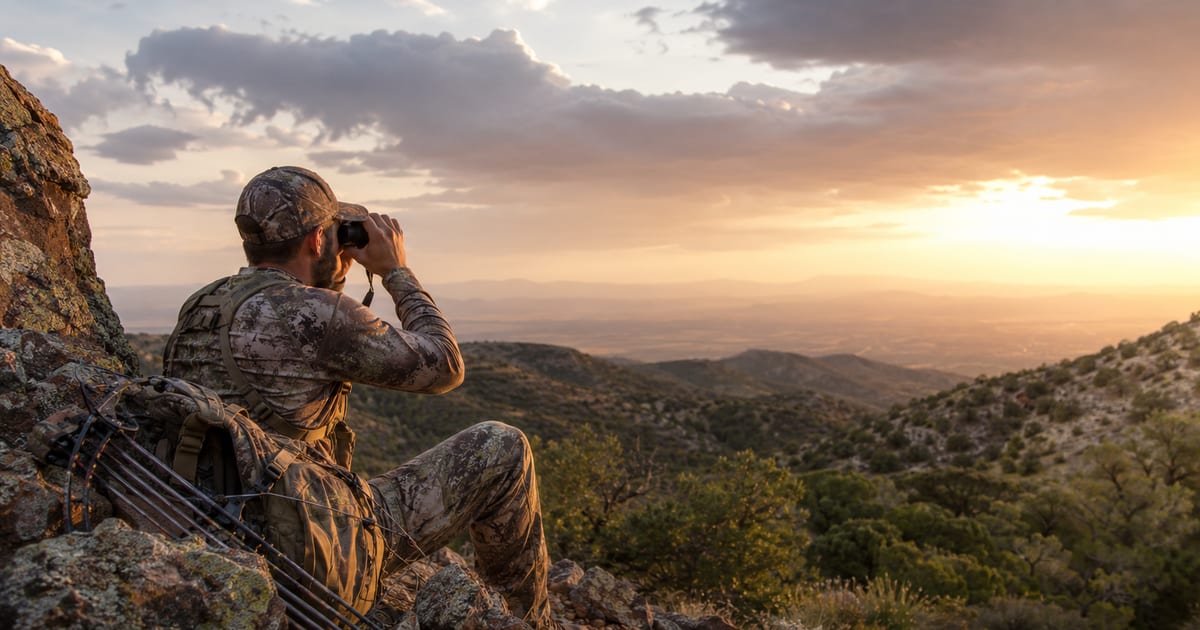
Arizona OTC Archery Deer 2026: Unit Limits and Closures
Arizona's OTC archery deer season opens August 21, 2026 — and units close the moment harvest limits fill. Here's every unit's limit, plus the best bets by real archery success rates.
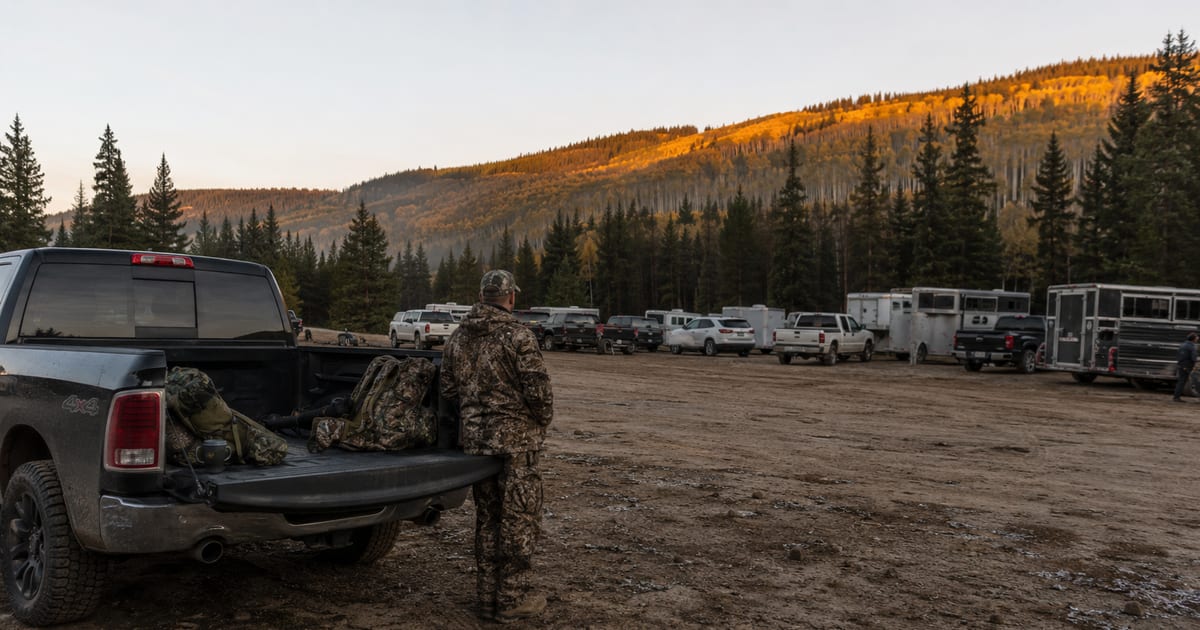
Colorado OTC Elk in 2026: What Changed for Nonresidents
Colorado eliminated unlimited nonresident OTC archery elk west of I-25 for 2026 — and Gunnison rifle tags went draw-only. Here's exactly what's still on the shelf and how to hunt this fall anyway.
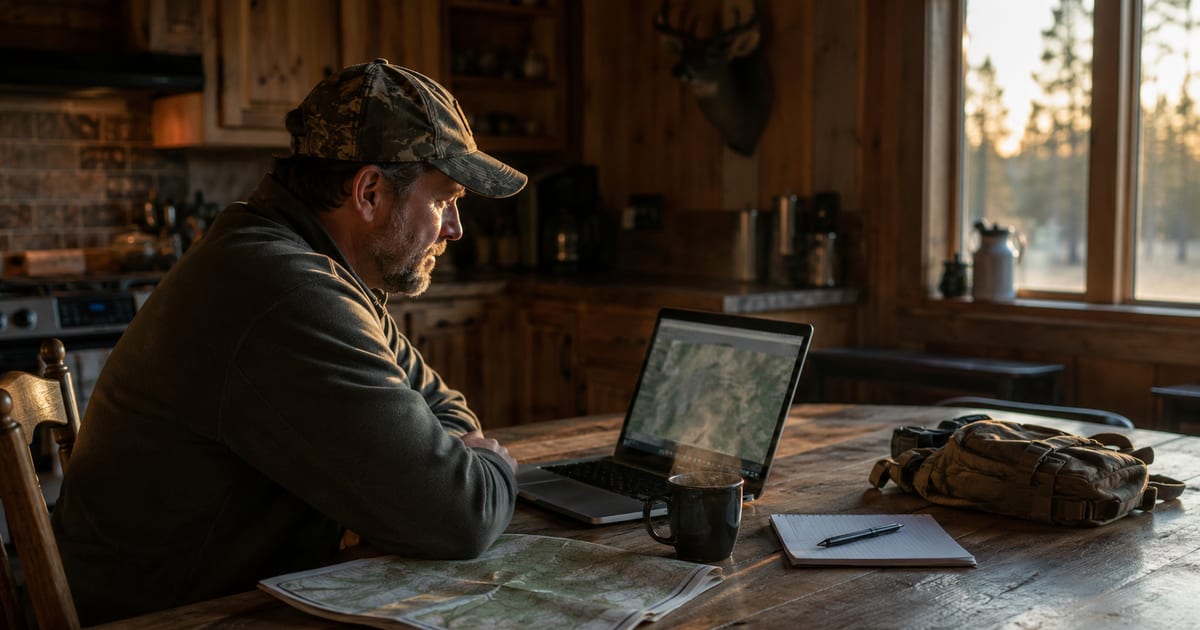
Colorado Reissue Licenses: How to Grab Returned Elk Tags
Every Wednesday through fall, CPW sells back surrendered limited licenses — including elk tags nonresidents can't get any other way in 2026. Here's the Tuesday-Wednesday ritual that actually lands one.
No comments yet. Be the first to share your experience!