Drop Camp Elk Hunting: What It Is, What It Costs, and Whether It's Right for You
Drop camp elk hunting explained — how it works, what it costs, what's included, and how to vet an outfitter before you book a backcountry elk camp.

The first time most hunters hear “drop camp,” they picture something halfway between a guided hunt and a DIY trip, and that’s exactly right. You’re not paying for a guide to walk you through every morning. You’re not hauling your wall tent across ten miles of deadfall on your own back, either. You’re buying horse access to country that would otherwise require a small expedition to reach — and the outfitter gets you there and picks you up when the hunt’s over.
That’s it. That’s the deal.
It’s one of the best structures in western elk hunting, and it’s underused because most hunters don’t know exactly what they’re getting into when they book one.
What a Drop Camp Actually Is
An outfitter’s job in a drop camp is logistics, not guiding. They take your gear, food, and you into a remote backcountry location — usually 6 to 15 miles from the nearest trailhead — by horse, pack mule, or in some cases helicopter. They set up your camp. Then they leave.
You hunt. On your own.
At the end of the hunt — or after you’ve killed an elk — they come back, break down camp, and pack everything (including your elk) out on horses.
That distinction between drop camp and fully guided is real and significant. On a fully guided hunt, you have a dedicated guide walking ridge lines with you every single day, calling elk, making decisions, putting you in position. On a drop camp, all of that is on you. The outfitter’s horses got you into a basin that would have taken two days on foot — what you do from that camp is your own business.
The comparison to a fully DIY hunt is equally important. A motivated DIY crew can access some impressive country on foot, but there are entire drainages in Wyoming, Montana, and Idaho that simply don’t produce DIY success because the pressure-to-animal ratio is inverted beyond the first few miles from roads. Drop camps get you past that line. Most of the time, the elk density difference between a road-accessible spot and the basin where a horse operation works is not subtle.
Drop Camp Is Not Guided
If you’ve never called elk or navigated backcountry in rugged terrain, a drop camp puts you in the deep end fast. You’ll have camp, food, and access — but no guide. Consider at least one western elk hunt (DIY or guided) before you book a drop camp.
The Cost Structure
A typical elk drop camp in Wyoming, Idaho, or Colorado runs $1,500 to $3,500 per hunter. Where you land in that range depends on a few variables.
Transport method. Horse pack-in is the baseline. Some outfitters operate ATV-accessible remote camps that cost less. Helicopter access to truly remote wilderness runs at the high end or beyond it — sometimes $4,000+ per hunter — but puts you in country horses can’t always reach.
Camp quality. A spike camp with basic wall tents, folding cots, and a wood stove is the standard. High-end operations offer canvas tent systems with real stoves, propane lanterns, and camp cooks. The upgrade usually adds $500 to $800 per hunter.
Location. Outfitters running deeper wilderness areas in Wyoming’s Thorofare or Idaho’s Frank Church burn more horse power, more days, and more logistics cost. That’s reflected in the price.
Duration. Most drop camps are priced per hunt (7-10 days). Some outfitters will negotiate shorter stays for a reduced rate, but pack-in logistics don’t scale linearly — expect to pay at least 70% of the full hunt fee for even a 5-day stay.
Your total cost as a non-resident, including the drop camp fee, Wyoming or Idaho elk tag, travel, and food, typically lands in the $4,000 to $6,500 range. That’s significantly less than a fully guided hunt — which runs $7,000 to $18,000 — but you’re still in real elk country, camping in the timber at 9,000 feet, with horses handling the part that would otherwise stop most hunters cold: the pack-out.
What’s Included in a Drop Camp
Most outfitters include a fairly standard package. You should receive:
- Transport of all your gear and you into the camp location via horse
- Camp setup — wall tent or canvas tent already erected and staked when you arrive, or set up by the outfitter crew on arrival
- Cots and sleeping gear (confirm this — some operations provide cots but not sleeping bags)
- A wood stove for heat and cooking
- A cook stove (camp chef-style propane unit) or wood stove cooking setup
- Food for the full hunt duration — meals planned and packed by the outfitter
- Pack-out of your elk at hunt’s end, included in the base fee (this is critical — confirm in writing)
What’s typically not included: your license and tag, personal gear, alcohol, satellite communicator rental (though some outfitters include this), gratuity for wranglers, and any additional pack-out trips if the elk is killed far from camp and requires multiple horse loads.
Get the Pack-Out Terms in Writing
Ask the outfitter specifically: what happens if I kill an elk eight miles from camp? Most operations include one standard pack-out per hunter at the end of the trip. Additional trips for a difficult recovery — or mid-hunt retrieval — often cost extra. Know the number before you sign.
The Pack-Out Math
This is the part of drop camp hunting that surprises hunters who haven’t dealt with it. When you shoot an elk, you’re not done — you’re just starting the hardest part.
A mature bull elk dressed out weighs 400 to 600 pounds. Boneless quarters and backstraps run 150 to 220 pounds of meat. Horses pack roughly 150 to 200 pounds per animal. The math means most pack-outs require at least two to three horse loads, and that’s assuming the camp is within a reasonable distance of the kill.
Most outfitters structure pack-out one of three ways:
-
Included in the base fee — the outfitter comes in at hunt’s end, packs everything out in one trip. Standard for 7-10 day hunts where you’ve spent the time in camp.
-
Per-trip charge — the outfitter charges a flat fee per horse trip, typically $300 to $600 per trip, for mid-hunt retrieval or for kills in difficult locations.
-
Per-pound or per-animal — less common, but some operations quote a flat “one elk out” fee of $400 to $800 regardless of distance.
Before you book, ask your outfitter: what does pack-out include, what costs extra, and what’s the charge if I need you to come in early after a day-two kill? Getting this wrong is an expensive surprise.
Who Uses Drop Camps
Drop camp hunting attracts a specific kind of hunter. They’re not beginners, and they’re not the type who wants a guide calling shots over their shoulder. They’ve hunted elk before, they know how to navigate backcountry, they can call or they know their limitations, and they want to hunt country that most DIY hunters on foot never see.
The typical drop camp client is a hunter who’s done two to four western elk hunts — some DIY, maybe one guided — and has figured out that the biggest variable in DIY hunting isn’t skill, it’s access. Getting ten miles from the nearest road in serious terrain requires horses. You can rent horses and run your own pack string if you know how, but that’s a different skillset than most hunters have. The drop camp gets you that access without requiring you to be a horse packer.
Budget-conscious hunters who want to stretch a once-in-a-lifetime draw tag also use drop camps. If you’ve drawn a coveted unit with a limited entry tag and want backcountry access without paying full guided prices, a reputable drop camp in that unit is a legitimate strategy.
Questions to Ask an Outfitter Before You Book
Not all drop camp operations are the same. Ask these specific questions before you put money down.
What territory do you operate in, and what’s the USFS permit number? Every legitimate outfitter operating on National Forest land has a Special Use Permit. Ask for the permit number and verify it with the Forest Service. No permit, no booking.
What is the average elevation of camp? This matters for physical preparation and for hunting strategy. A camp at 9,500 feet in Wyoming’s Bridger-Teton sits in different elk habitat than a 7,000-foot camp in a Colorado river drainage.
What are typical elk densities in your territory? You want the outfitter to talk specifically about the unit they’re operating in, not Wyoming elk hunting in general. Ask about wapiti per square mile, bull-to-cow ratios if they have data, and what their drop camp clients have experienced in the last three seasons.
What’s the pack-out procedure and what does it cost? Covered above, but it deserves a direct question during your call. Get the numbers in writing.
Do you provide references from drop camp clients specifically? A fully guided operation’s references don’t tell you much about the drop camp experience. Ask for two or three hunters who did the exact drop camp package you’re considering, in the same territory, in the last two seasons. Call them.
Are you bonded and licensed in the state? Wyoming, Idaho, and Colorado all require outfitter licensing through their respective commissions. You can verify a Wyoming outfitter’s license at the Wyoming State Board of Outfitters and Professional Guides. Colorado uses the Colorado Outfitters Association. Don’t skip this check.
Verify the USFS Permit Before Booking
Some operators advertise drop camps in areas where they don’t have current USFS permits, or where their permit covers a smaller territory than advertised. Pull the permit number, call the relevant Ranger District, and confirm the outfitter is authorized for the specific drainage where you’ll be hunting.
Archery Drop Camps vs. Rifle Drop Camps
The most important thing most hunters don’t account for when comparing drop camps is the time-of-year effect on elk behavior in that specific territory.
September archery drop camps — timed to overlap with the rut — often produce dramatically better results than October rifle drop camps in the same drainage. The reasons are straightforward: rutting bulls are vocal, mobile, and callable. They’re in places you can find them and positions where you can approach. A September camp with bugling bulls at 150 yards is a different hunt than a post-rut October camp where the same bulls have gone quiet and pushed into thick timber.
This isn’t universally true. Some outfitters run rifle camps in November that access high-altitude basins pushed harder by early season archery pressure, and those hunts produce well. But all else being equal, if you’re trying to maximize your drop camp ROI and you’re a reasonably capable elk caller, a September archery drop camp is worth serious consideration.
The tag equation matters, too. Colorado general archery elk tags are OTC — you don’t draw, you just buy one. Wyoming and Idaho archery tags are draw but often easier to obtain than rifle tags in the same units. You can plan a September archery drop camp on a two to three week application timeline if you’re flexible on unit.
A rifle drop camp in October or November typically requires more point investment in Wyoming and Idaho’s better units, but those hunts suit hunters who prefer a weapon they’re more proficient with and are comfortable hunting without the calling component.
Is a Drop Camp Right for You?
The honest answer: it depends on your experience level and your goals.
A drop camp is a great fit if you’ve hunted elk before, you’re comfortable in backcountry terrain without a guide, and the main thing standing between you and serious elk country is logistics you don’t have the gear or horses to solve yourself. It puts you in the right place at the right time. What you do from there is on you.
It’s a poor fit if you’ve never hunted elk, you’re not confident navigating rugged high-country terrain, or you’re expecting the outfitter to tell you where to go each morning. Those are fully guided hunt needs, and a drop camp won’t meet them.
The middle ground — one prior elk hunt, solid physical fitness, basic elk calling knowledge, and the right expectations going in — is where drop camps shine. Get yourself into that basin. Learn the timber. Work the ridges on your own terms.
That’s the hunt.
Frequently Asked Questions
What is a drop camp elk hunt?
A drop camp is a logistics service where an outfitter transports you, your gear, food, and camp setup into a remote backcountry location via horse, pack mule, or helicopter. You hunt independently from that camp for the duration of the trip, and the outfitter retrieves you and your elk at the end. There’s no daily guide — the outfitter provides access to remote country, not guided hunting.
How much does an elk drop camp cost?
Drop camps for elk hunting in Wyoming, Idaho, and Colorado typically run $1,500 to $3,500 per hunter, depending on camp quality, location, access method, and duration. Total trip cost including your tag, travel, and food usually lands between $4,000 and $6,500 for a non-resident — significantly less than a fully guided elk hunt at $7,000 to $18,000.
What’s included in an elk drop camp?
Most drop camps include transportation of gear and hunters into camp, wall tent or canvas tent setup, cots, a wood stove, a camp cook stove, food for the hunt duration, and pack-out of your elk at the end of the trip. Confirm pack-out terms in writing before booking, as some outfitters charge extra for mid-hunt retrieval or kills in difficult locations.
Do I need a guide license in the state to book a drop camp?
No, you need an elk hunting license and tag for the state you’re hunting, but the outfitter is the one who needs a guide/outfitter license and a USFS Special Use Permit for their territory. Always verify that your outfitter is licensed in the state and has an active permit for the drainage where you’ll be hunting.
Is an archery drop camp better than a rifle drop camp?
September archery drop camps timed to the rut often produce better results than October rifle drop camps in the same territory because bulls are vocal, mobile, and callable during the rut. That said, rifle drop camps in late October or November suit hunters who prefer a firearm and aren’t focused on calling. Your success depends more on the quality of the outfitter’s territory than on weapon choice.
Next Step
Check Draw Odds for Your State
Tag-level draw odds across 9 western states — filter by species, unit, weapon, and points. Free to use.
Get the Insider Edge
Join hunters getting exclusive draw odds data, gear deals, and weekly hunt planning tips.
Related Articles
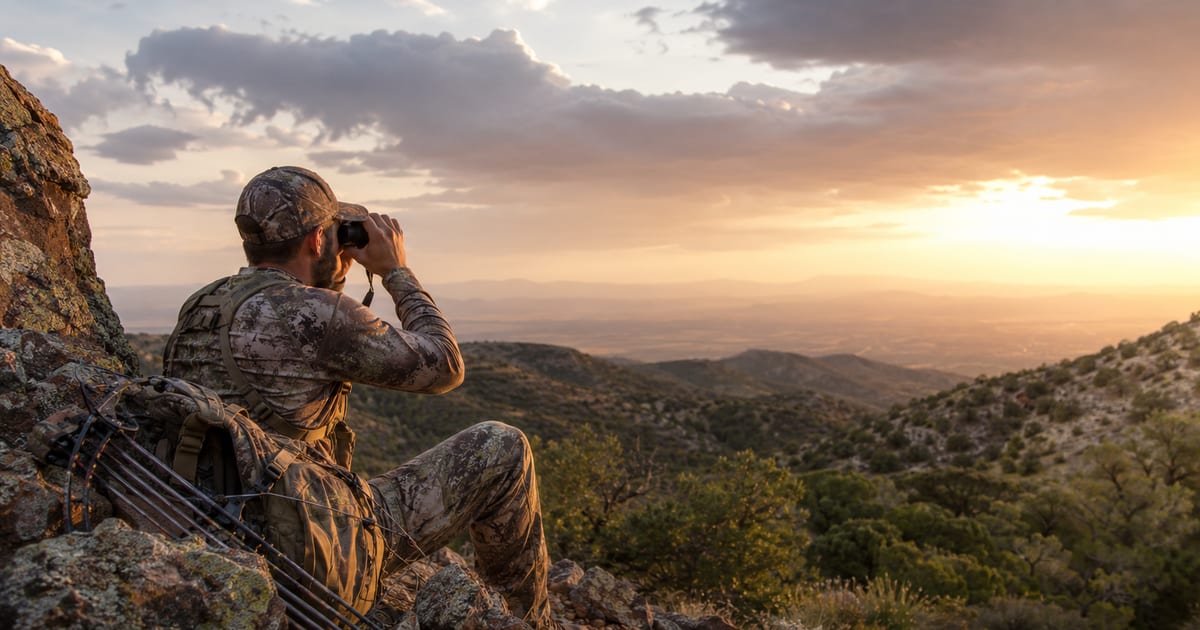
Arizona OTC Archery Deer 2026: Unit Limits and Closures
Arizona's OTC archery deer season opens August 21, 2026 — and units close the moment harvest limits fill. Here's every unit's limit, plus the best bets by real archery success rates.
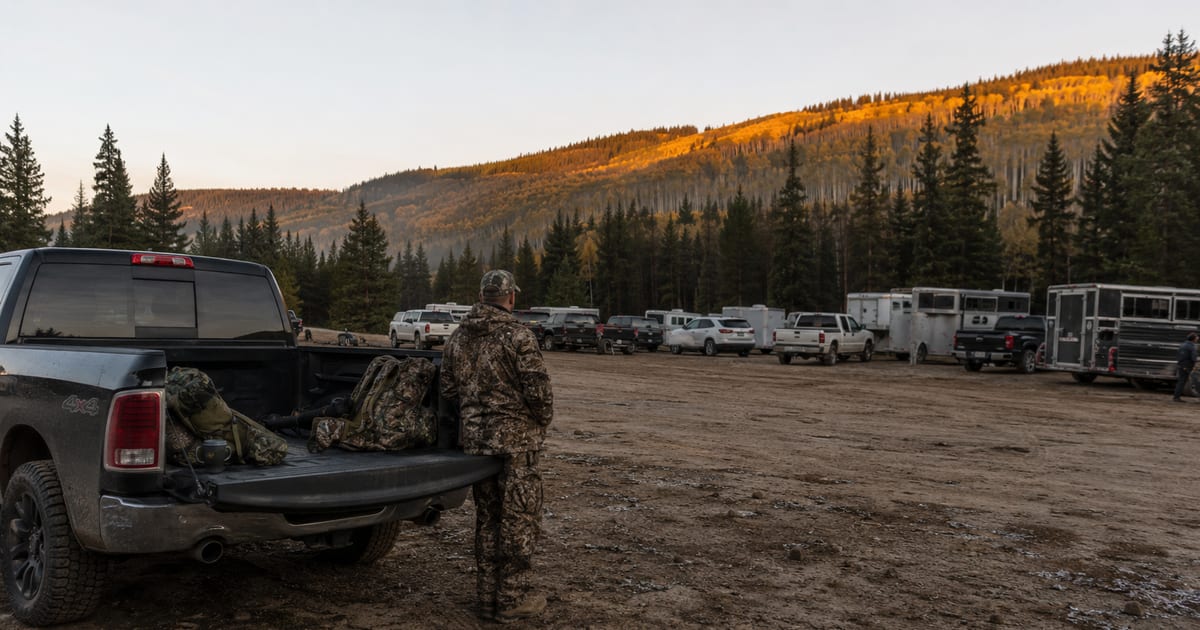
Colorado OTC Elk in 2026: What Changed for Nonresidents
Colorado eliminated unlimited nonresident OTC archery elk west of I-25 for 2026 — and Gunnison rifle tags went draw-only. Here's exactly what's still on the shelf and how to hunt this fall anyway.
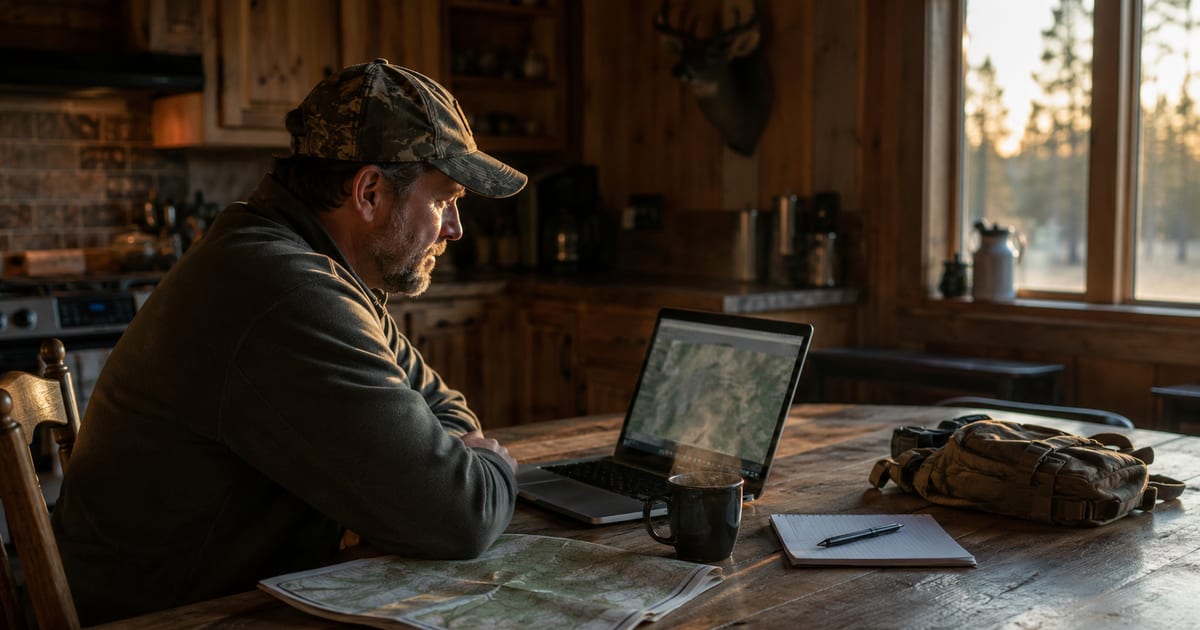
Colorado Reissue Licenses: How to Grab Returned Elk Tags
Every Wednesday through fall, CPW sells back surrendered limited licenses — including elk tags nonresidents can't get any other way in 2026. Here's the Tuesday-Wednesday ritual that actually lands one.
No comments yet. Be the first to share your experience!