Deer Rut Hunting Tactics: How to Hunt Bucks When They Stop Being Smart
The rut turns cautious bucks into reckless ones. Learn how to hunt mule deer and whitetail during each rut phase, when to rattle and call, and how to find bucks that have abandoned their home ranges.
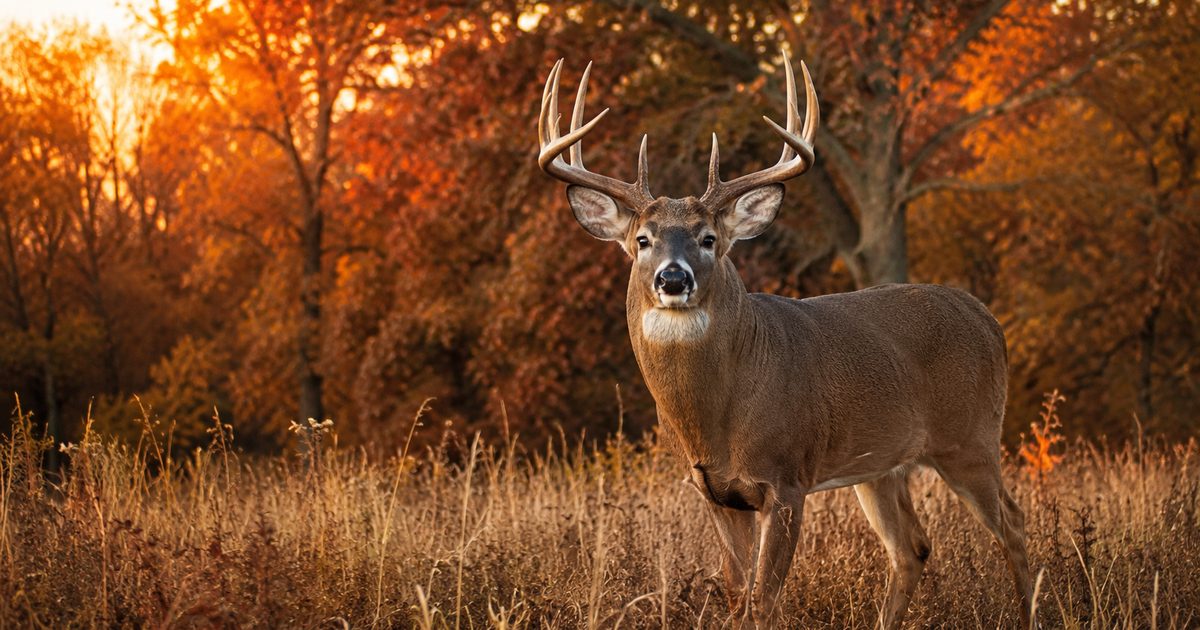
A mature buck lives by a single rule the other 50 weeks of the year: don’t die. He beds in the nastiest terrain he can find, moves mostly in darkness, and treats every unfamiliar smell like a loaded gun. He’s survived two or three or six hunting seasons by being exactly that paranoid.
Then the rut arrives and he throws all of it away.
During peak rut, that same buck will trot across an open field at noon, follow a doe through someone’s shooting lane, and stop to work a scrape 40 yards from a parked truck. The rut doesn’t just change buck behavior — it rewires it completely. Your job is to understand the timeline well enough to be in the right place when the switch flips.
When the Rut Happens — and Why It Matters Which Species You’re Hunting
Whitetail and mule deer don’t rut on the same schedule, and treating them the same will cost you.
Whitetail in the Midwest and East peak between November 5 and November 20, with the exact window shifting by about a week north to south. The timing is reliable because it’s driven by photoperiod — declining daylight hours — not temperature. A warm November doesn’t delay the rut. Cold fronts don’t trigger it. The calendar does. In the Midwest, the first two weeks of November are your window. In the Deep South, rut timing varies wildly — some populations peak in October, others in January, depending on when deer were introduced or transplanted.
Mule deer in most western states — Colorado, Utah, Wyoming, Montana, Idaho — peak in mid-November, typically November 10–25. They follow the same photoperiod trigger as whitetail but run about two weeks later. High-elevation mule deer herds sometimes rut a few days earlier than lower-elevation deer in the same state. November in mule deer country means cold mornings, snow possible at elevation, and bucks you haven’t seen all summer suddenly in places you’d never expect.
Knowing your species and region isn’t trivia — it’s your entire schedule. A hunter who shows up to a Colorado mule deer unit on November 1 is a week early. Showing up November 5 through 20 puts you in the middle of it.
How Bucks Change During the Rut
The behavioral shift starts before the peak and continues after. Understanding it phase by phase means you’re never hunting yesterday’s patterns.
Bucks that spent September and October feeding to build fat now stop feeding almost entirely. A mature buck can lose 20 to 30 percent of his body weight during the rut. He’s running on stored energy and hormonal drive. His bedding areas — those carefully chosen, nearly impossible spots he spent all fall protecting — become irrelevant. He’s not there.
He’s moving. During daylight. Through terrain he’d never cross in October.
That’s the single biggest mental shift for rut hunting: you’re not hunting where the buck lives anymore, you’re hunting where he’s going. His destination is every doe he can find, and he’ll cross roads, ridgelines, creek bottoms, and open fields to get to them.
Stop Hunting His Bedroom
If you’ve been sitting a stand over a buck’s core bedding area, the rut is the wrong time to be there. He’s not home. Hunt the does — find concentrations of doe feeding areas, doe bedding cover, and doe travel corridors. The buck will show up because he can’t help it.
The Three Rut Phases
Not all rut hunting looks the same. The phase you’re in determines which tactics you should use — and which will actively hurt you.
Pre-Rut: Scrapes, Rubs, and Positioning (10–14 Days Before Peak)
Bucks are getting ready. Testosterone is rising. They’re making rubs on saplings and small trees — partly to strengthen their necks, partly to leave scent and visual markers. Scrapes appear along field edges, trail intersections, and ridge tops. A fresh scrape with a licking branch above it is a buck’s version of a business card: “I was here, I’m ready, I’ll be back.”
This phase is about gathering information and positioning yourself before the chaos starts. Find active scrape lines. Find the thickets and edge cover near those scrapes where does are feeding and bedding. That intersection — between a scrape line and a doe feeding area — is your stand location for the next two weeks.
Calling works during pre-rut, but keep it subtle. Soft grunts and doe bleats can pull a curious buck that’s cruising for does. Aggressive rattling is premature — bucks aren’t in full fight mode yet. Light tickling of the antlers to simulate sparring is more appropriate than a full-on crash sequence.
Trail cameras on fresh scrapes during pre-rut will tell you more about what’s in the area than a week of scouting on foot. A buck checking a scrape during daylight is already behaving differently than he did in October.
Peak Rut: The Window When Everything Works (and Nothing Is Predictable)
Peak rut is the 5 to 7 day window at the center of the breeding season. Does cycle into estrus. Bucks abandon everything to find them. Movement explodes — and it happens at all hours.
This is when you stay in your stand all day. Not until 10 AM. All day. Peak rut kills happen at noon more often than hunters expect because bucks are cruising constantly, not just at dawn and dusk. The buck that didn’t show up at first light may walk past at 1 PM. Hunters who go back to camp for lunch miss those bucks every year.
Rattling reaches its peak effectiveness now. A crash sequence — aggressive antler-to-antler grinding, breaking branches, tearing up the ground — mimics two bucks fighting over a doe. A nearby buck will often come running. On open terrain where you can see 200 yards, rattling during peak rut will produce visible responses.
Calling becomes aggressive. Estrus bleats, doe-in-heat calls, and tending grunts all work. A dominant buck chasing a doe will often respond to a tending grunt because he thinks another buck has found his doe.
Hunt All Day During Peak Rut — No Exceptions
The midday hour from 11 AM to 1 PM produces as many peak-rut kills as dawn and dusk combined. Bucks don’t stop cruising when the sun gets high during peak. Leave camp with food and water, and don’t come down until dark. One year of doing this will convert you permanently.
Post-Rut: The Toughest Phase (and the Most Overlooked Opportunity)
The frenzy is over. Most does have been bred. Bucks are exhausted, beaten up, and starting to think about food again. Movement drops off a cliff compared to peak rut. Buglers who showed up the first week are gone. You might have the woods to yourself.
Post-rut hunting isn’t dead — it’s just different. Bucks are recovering and feeding hard to rebuild fat before winter. Find the best remaining food sources — standing corn, food plots, late-season oak flats still dropping — and hunt the transition between bedding cover and those food sources.
A small percentage of does cycle a second time if they weren’t bred during the first estrus. When that happens — usually 28 days after the first estrus peak — bucks respond again. This “second rut” is shorter and less widespread than the primary rut, but it’s real. Hunt the second week of December in the Midwest if you want to see post-rut buck movement that looks like October again.
Mule Deer Rut Tactics: Stop Glassing the High Country
Mule deer hunters who kill bucks during the rut share one thing in common: they moved off the high-country glassing points before the rut peaked and started hunting where the does were.
In September and October, mature mule deer bucks live on high benches, rocky points, and timbered ridges above the main doe herds. Glassing from a point at 11,000 feet and spotting a buck bedded at 400 yards is the standard approach — and it works. But when the rut kicks in, that same buck leaves his bench and drops down to find does feeding on sage flats, creek bottoms, and the lower-elevation terrain that holds doe concentrations.
The mule deer rut shift in plain terms: find the sage benches and lower-elevation transition zones where does are feeding in November. Bucks will be there. Stop glassing the high country — it’s empty.
Glassing is still your primary tool, but aim it lower. Glass sage benches in the morning before the sun warms the slopes. Glass creek drainages and bench edges at midday when bucks are cruising. A November mule deer buck in full rut is visible in ways an October buck never is — he’s moving, he’s with does, and he doesn’t stop to assess every suspicious smell the way he did three weeks ago.
Follow the Does to Find Rut Bucks
New to mule deer hunting? Don’t try to pattern individual bucks during the rut — pattern the does instead. Glass for doe groups in the morning. Watch for bucks cruising nearby or tending individual does. Where does feed and bed during mid-November is where rut bucks will be. It’s that reliable.
Calling and Rattling: More Effective Than You Think
Most western hunters under-rate calling and rattling for mule deer. The assumption is that it’s a whitetail tactic. That’s wrong.
Mule deer respond to rattling — especially during the rut, and sometimes well before it. In mid-October in pressured areas with enough buck density, rattling can pull curious bucks from a quarter mile. The key is doing it where multiple bucks are in the area. Rattling in empty country produces nothing. Rattling in a unit with good buck-to-doe ratios during the pre-rut and rut produces encounters.
Rattling sequence for mule deer:
- Clash antlers aggressively for 30 to 45 seconds.
- Go silent for 2 to 3 minutes while watching hard.
- Repeat once or twice if nothing responds.
- Wait at least 20 minutes before leaving — mule deer sometimes approach slowly and cautiously.
Doe bleats and buck grunts work during the mule deer rut with the same logic they work for whitetail: a doe bleat tells a buck there’s a receptive doe nearby. Don’t overcomplicate it. The calls themselves are less important than being in a spot with animals.
For whitetail, calling and rattling during the rut are well-documented. Aggressive rattling during peak rut on ground that holds mature bucks with competition will produce results. Grunt calls work for pulling bucks that are already moving toward your area. Estrus bleats work when you’re trying to convince a buck that there’s a receptive doe in range.
Scent Discipline: Non-Negotiable During the Rut
Here’s the paradox: bucks during the rut are reckless about nearly everything except one thing. Their nose still works perfectly. A buck chasing a doe that gets a face full of human scent doesn’t stop to reconsider — he just leaves. Fast.
The rut doesn’t give you permission to get sloppy with scent. If anything, the rut demands tighter scent control because you’re hunting closer to deer more often. Stand locations near scrapes, doe feeding areas, and travel corridors all put you within 50 to 100 yards of deer on a regular basis.
Wash hunting clothes in unscented detergent. Store them in a sealed bag with natural debris — pine needles, dirt, dead leaves — from your hunting area. Spray down with a scent eliminator before every sit. Use carbon suit layers if you have them.
Wind management matters more than any spray or wash. Hunt with the wind in your face, or at minimum with the wind moving your scent away from where you expect deer to approach. On calm mornings, thermals pull down — your scent flows downhill and toward creek bottoms. In the afternoon, thermals reverse and rise. Know which direction your scent is traveling every time you climb into a stand.
Mental Shift: You’re Not Hunting His Home Range
This is the hardest adjustment for hunters who’ve put years into patterning a specific buck — learning his bedding spots, his travel routes, his preferred feeding areas. During the rut, that information is largely worthless.
A mature whitetail buck’s rut range can expand from a 300-acre core area to a range covering several square miles. He’s checking scrapes he didn’t make. He’s passing through timber he’s never used before. He might appear on camera three miles from where you’ve been watching him since September.
Mule deer bucks can travel even farther in open western terrain. A buck you spotted on a high mesa in October might be on a sage flat in a different drainage in November — following doe concentrations that shifted with the season.
The hunters who kill rut bucks are the ones hunting locations, not individuals. They find the does. They find the terrain features that concentrate doe movement — pinch points between two pieces of cover, creek crossings, field edges, ridge saddles. They hang a stand there and wait for whatever buck is covering that ground.
You’re not hunting the 170-inch buck you have on camera. You’re hunting the best funnel between where does are and where any cruising buck in the area will pass through. Sometimes that 170-inch buck walks through. Sometimes it’s a different mature buck you’ve never seen. Either way, you’re in the right place.
Don't Over-Hunt Your Best Stand
Rut stands near doe concentrations are gold — but burn them too many times and does pattern you, not just bucks. Does educate bucks to danger faster than anything else in hunting. Sit your best rut stands only on ideal wind days, and don’t sit them more than two or three times per week during peak. Preserve them for the right conditions.
Putting It Together: A Week-by-Week Rut Plan
If you’ve got a week of vacation to hunt the rut, structure it this way:
Days 1–2 (Pre-rut window): Scout actively. Walk field edges and ridge systems looking for fresh scrapes, rubs, and tracks in soft ground. Don’t push deer out of their core areas — observe from a distance. Note where does are concentrating and identify the terrain funnels between doe cover and the scrape lines you’re finding.
Days 3–5 (Peak rut): Hunt all day. Sit your best stand from first light to last light. Rattle twice per day — once mid-morning and once in the afternoon. Call sparingly between rattling sequences. Don’t move stands unless the wind forces you off one.
Days 6–7 (Post-peak): Shift focus to food sources and trails connecting bedding cover to feeding areas. Morning sits are most productive as bucks that cruised all night are heading back to bed. Watch for secondary rut activity if timing aligns.
The deer rut is the single best window to kill a mature buck on public land. It’s also the window where patience matters most — the hunters who stay in the field all day, on the right stands, in the right locations, are the ones who punch their tags. Show up prepared, make the mental shift from patterning individual bucks to hunting doe concentration areas, and let the rut do the rest.
Use the Draw Odds Engine to find states with good public-land deer tags, and check the Season & Tag Planner to align your hunt dates with peak rut windows by region.
Next Step
Check Draw Odds for Your State
Tag-level draw odds across 9 western states — filter by species, unit, weapon, and points. Free to use.
Get the Insider Edge
Join hunters getting exclusive draw odds data, gear deals, and weekly hunt planning tips.
Related Articles

Arizona Elk Calling: September Archery
September archery elk in Arizona means calling. Here's the practical guide to bugles, cow calls, and the timing that produces bulls.
Arizona Hound Hunting Regulations Guide
Arizona hound hunting for bear and lion requires specific permits and tags. Here's the complete regulatory guide for 2026.

Arizona Shed Hunting: Rules & Season Guide
Arizona has specific rules on shed antler collecting. Here's the complete guide to the season, the ethics, and the most productive areas.
No comments yet. Be the first to share your experience!