Arizona vs New Mexico Elk: The Southwest Draw Comparison
Arizona and New Mexico are the two premier Southwestern elk states, both with all-draw systems and exceptional bull quality. The honest comparison of point systems, realistic timelines, trophy quality, and which state fits which hunter.
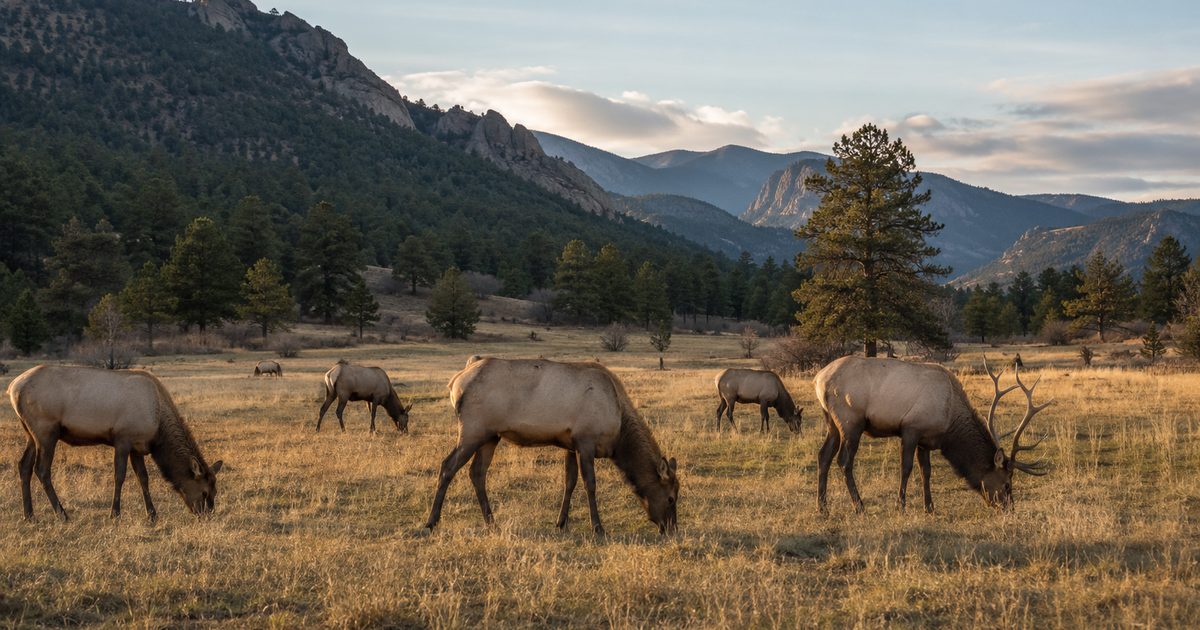
Arizona and New Mexico share the same fundamental elk management model — all draw, no over-the-counter tags — and they compete for the same pool of serious western elk hunters who’ve decided the Southwest is where they want to hunt. Both states hold exceptional trophy bulls. Both have units that produce record-book animals on a consistent basis. The differences show up in how the point systems work, what the realistic draw timelines look like, and the terrain character that defines each state’s hunting experience.
Getting these two states confused in your application strategy is a real cost. Understanding them clearly is how you build a long-term plan that actually delivers tags.
The Point System Contrast
Arizona runs a modified bonus point system with a 20-point cap, combined with a separate Bonus Draw that gives lower-point holders a lottery chance each year. The cap is the critical detail. Once you hit 20 points in Arizona, you don’t accumulate further — draw probability stabilizes, and you’re competing against everyone else at the ceiling.
New Mexico operates a preference point system without a cap. Points accumulate indefinitely. A hunter with 25 preference points has stronger priority than one with 15, and the system doesn’t reset or limit accumulation at any threshold.
The practical implication splits depending on which unit you’re targeting. Arizona’s cap means the draw becomes a known variable after 20 years — you understand where you stand. New Mexico’s uncapped system rewards multi-decade accumulation for the very top units, but it also means the applicant pool at high point levels keeps growing as long-time applicants continue stacking. Neither system is simply better. They reward different types of planning.
One thing is certain: starting both applications from year one is the only approach that keeps both states as live options in your mid-to-long-term hunting plan. Every year you delay is a year of accumulation you don’t get back.
Run Both Applications in Parallel From Year One
If you apply both states from year one, you’re running two parallel accumulation tracks toward premium elk tags. Arizona’s 20-year cap gives you a clear ceiling; New Mexico’s uncapped system may produce higher priority at 15 or 20 points but also carries more competition from other long-term applicants. The annual cost of both applications is modest. Start both immediately.
Trophy Quality Comparison
Both states produce exceptional elk. Arizona’s Unit 1 in the White Mountains and Unit 9 along the Mogollon Rim are among the most publicized trophy elk units in the country, with bulls regularly scoring 350 to 380+ B&C. New Mexico’s Gila Wilderness units and the Valle Vidal country in the northern part of the state match or exceed that potential in the right seasons.
The quality ceiling between the two states’ premium units is essentially equivalent. What differs is the terrain and management approach that produces those animals. Arizona’s top units sit on volcanic plateau and canyon country — open ponderosa timber, big meadows, the classic Mogollon Rim topography. New Mexico’s elite units include canyon wilderness, caldera margins, and high-grassland country near Cimarron. Same trophy potential, different worlds to hunt through.
Where the comparison gets meaningful: mid-tier units. Both states have units that don’t require 15-20 years of accumulation and still produce mature, respectable bulls. Arizona has moderate-draw units in the 5-8 year range for nonresidents. New Mexico has units like Unit 17 in the Nacimiento Mountains drawing at 3-6 points in archery seasons. Your near-term opportunities aren’t limited to the headline units — you’re building toward multiple potential tags on different timelines simultaneously.
Near-Term Draw Opportunities
Not every unit in either state requires a two-decade commitment. Both states have mid-tier units where 4-8 years of consistent accumulation produces realistic draw probability.
In New Mexico, Unit 17 (the Nacimiento Mountains and San Pedro Parks Wilderness) currently draws archery and muzzleloader seasons at 2-5 preference points. Some southern New Mexico rifle seasons draw at moderate levels as well. These aren’t consolation prizes — they’re legitimate elk hunts in good country at accessible timelines.
Arizona’s mid-tier units with moderate tag allocations and lower applicant pressure have drawn nonresidents in the 5-8 year range in recent cycles. The Mogollon Rim units outside the premier draws, and some White Mountains units below the top-tier rifle seasons, offer realistic near-term targets.
Starting both applications early gives you two things: near-term draws in mid-tier units as you accumulate, and long-term premium options as your points compound. That’s the structure of a functional western application strategy. Single-state focus limits what the math can do for you.
Don't Miss a Year in Either State
Both Arizona and New Mexico have spring application deadlines. Arizona’s deadline falls in early February; New Mexico’s is in mid-April. Missing a year in either state costs you a full year of accumulation with no recovery option. Set calendar reminders for both. The Multi-State Planner tracks both deadlines alongside your full application portfolio.
The Terrain Difference
Arizona elk country is volcanic plateau and canyon — the Mogollon Rim, the White Mountains, the Kaibab country to the north. The better units offer open-timber hunting with big meadows and long sight lines. Glassing from ponderosa-pine points at first light is the standard morning approach. The volcanic substrate creates a specific terrain character: benches, canyon edges, drainages that cut abruptly through the plateau. It’s huntable, beautiful country that rewards glassing over blind hiking.
New Mexico’s elk terrain is more varied. The Gila Wilderness is canyon and wilderness — deep drainages, rim country, and a maze of trails that rewards hunters who put in time learning the system before the hunt. The Jemez Mountains units sit on volcanic caldera margins with a different feel: ponderosa parks and spruce-fir slopes. The northern units near Cimarron are high-grassland and canyon-edge country with a different character entirely. Knowing which terrain type you’re drawn to isn’t irrelevant — it’s worth factoring into which state you prioritize accumulation in, not just which state’s tags you’re most likely to draw.
One honest difference: Arizona’s top elk units are more consistently discussed in the hunting media. That attention creates more competition from applicants who’ve read the same articles. New Mexico’s comparable units carry slightly less public-facing hype, which is one reason draw thresholds in comparable tiers can differ between the two states.
Cost Comparison
Arizona nonresident elk application fee is approximately $20. Tags run approximately $490 at current pricing — verify with Arizona Game and Fish since fees update. New Mexico nonresident elk application is approximately $18, with tags in the $511 range. Both states are in a similar cost band, and neither charges the $100-150 annual application fees that some other western draw states require.
The real cost of either state’s premium units isn’t the application fee. It’s the accumulation years. Two decades of Arizona applications at $20 per year runs $400 before you draw. The same in New Mexico. Factor that into your true hunt cost when comparing western states with expensive single-year application fees — the multi-year math shifts the comparison.
At the tag stage, both states are competitive with other western elk draw tags. Neither is cheap, but neither is dramatically more expensive than the going rate for premium western elk.
Which State to Prioritize First
If you’re starting from zero with limited budget and want a New Mexico or Arizona elk hunt in the next 3-8 years: apply New Mexico first, or simultaneously. Mid-tier New Mexico units draw at lower point thresholds, which means a realistic elk hunt in the near-to-medium term while your Arizona points accumulate toward the premiere units.
If your specific goal is the Mogollon Rim or White Mountains experience — and you’re genuinely comfortable with a 15-20 year accumulation runway — prioritize Arizona and apply New Mexico alongside it as a parallel track. The terrain there is specific enough that some hunters are willing to wait.
The straightforward answer for most hunters: apply both from year one. Annual application costs are modest in both states. The parallel accumulation doubles your long-term optionality. A decision you make this February about which state to skip costs you a year you can’t recapture.
Heat Management Matters in September
Southwest elk hunting in September requires serious meat care planning in both states. Arizona’s Mogollon Rim and White Mountains run 10-15 degrees warmer than Montana or Wyoming at equivalent elevation — plan for September temperatures in the 75 to 85°F range at mid-elevation hunting areas. New Mexico’s higher-elevation units like the Gila rim country and Valle Vidal are cooler but still warm by Rocky Mountain standards. Have a defined cooler plan and know where the nearest ice is located before you start hunting. Meat care within 24 hours of the kill isn’t a recommendation; it’s a requirement at these temperatures.
Application Strategy
Apply both states. Every year. Set both deadlines in your calendar and treat them as non-negotiable.
Track your accumulating points in both states with the Preference Point Tracker. When you’re ready to model your specific draw timeline for target units — either Arizona or New Mexico, any season — run the numbers through the Point Burn Optimizer to see realistic year-range projections.
Side-by-side comparisons of Arizona and New Mexico unit draw histories are available in the Draw Odds Engine. Use that data to understand which specific units in each state align with your timeline and how applicant pressure has shifted over recent cycles. Unit-level draw odds change year to year — checking them annually before the application deadline is how you make an informed point-burn decision versus a guess.
State-specific draw odds data: /draw-odds/arizona/ and /draw-odds/new-mexico/. Full multi-state application management: /tools/multi-state-planner/.
The Southwest elk states don’t require a choice between them. They require an annual application fee and the discipline to not miss a deadline. Do both. The long-term math rewards it.
Next Step
Check Draw Odds for Your State
Tag-level draw odds across 9 western states — filter by species, unit, weapon, and points. Free to use.
Get the Insider Edge
Join hunters getting exclusive draw odds data, gear deals, and weekly hunt planning tips.
Related Articles
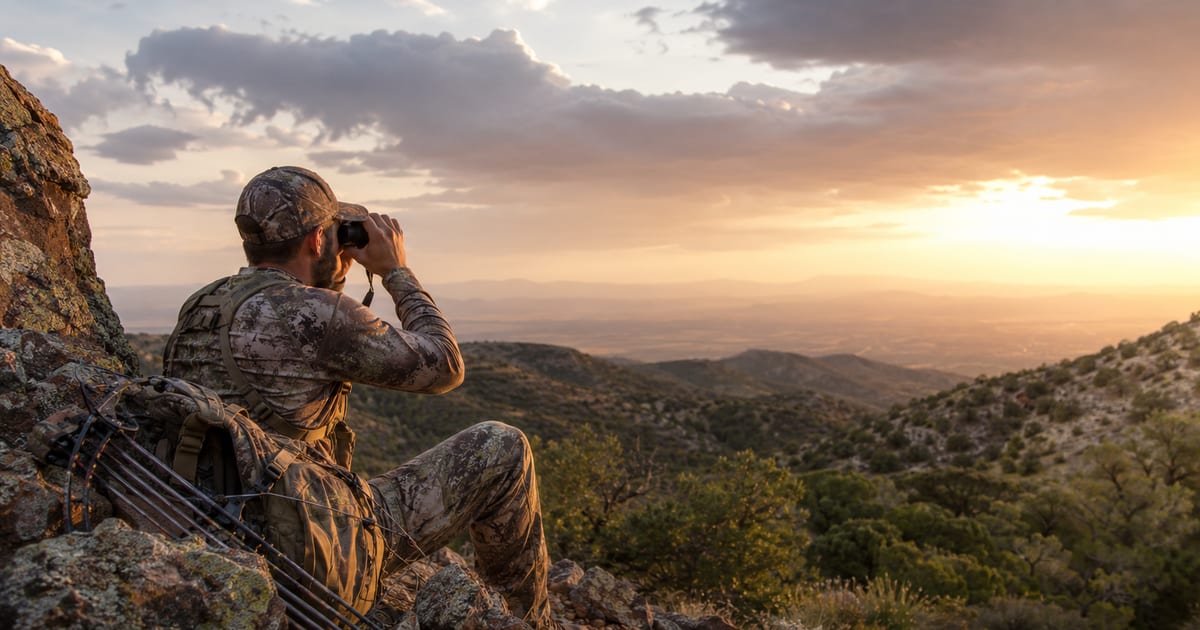
Arizona OTC Archery Deer 2026: Unit Limits and Closures
Arizona's OTC archery deer season opens August 21, 2026 — and units close the moment harvest limits fill. Here's every unit's limit, plus the best bets by real archery success rates.
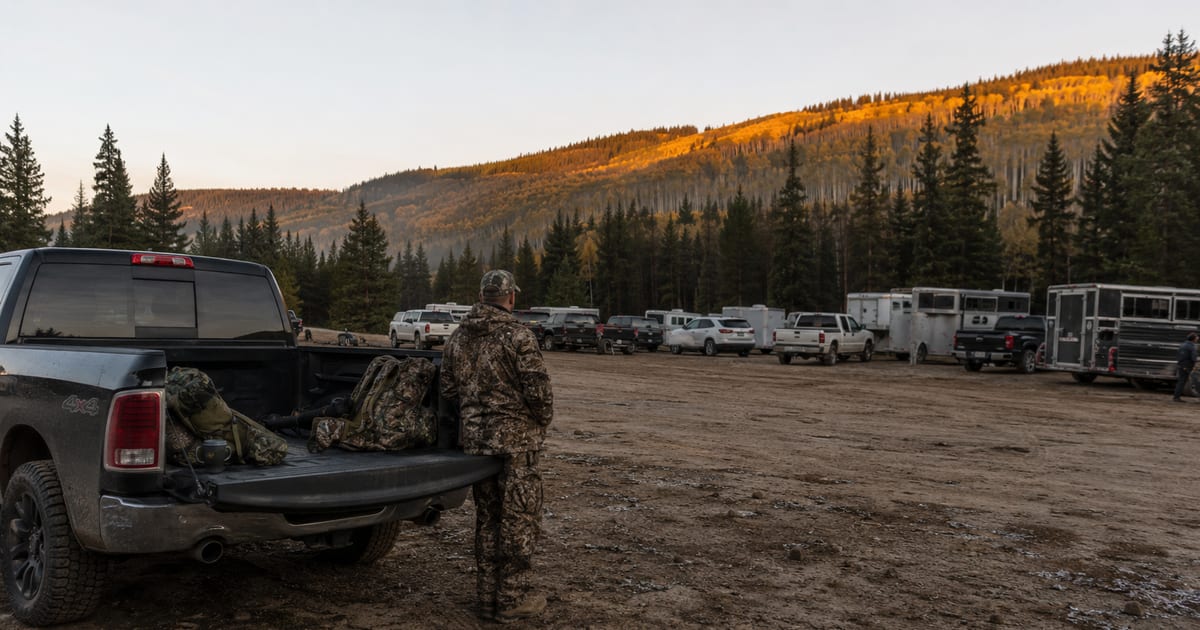
Colorado OTC Elk in 2026: What Changed for Nonresidents
Colorado eliminated unlimited nonresident OTC archery elk west of I-25 for 2026 — and Gunnison rifle tags went draw-only. Here's exactly what's still on the shelf and how to hunt this fall anyway.

Colorado Reissue Licenses: How to Grab Returned Elk Tags
Every Wednesday through fall, CPW sells back surrendered limited licenses — including elk tags nonresidents can't get any other way in 2026. Here's the Tuesday-Wednesday ritual that actually lands one.
No comments yet. Be the first to share your experience!