Arizona Hunting Guide: The Draw System, 20-Point Cap, and Long-Game Strategy
A complete Arizona hunting overview for residents and nonresidents. The linear bonus point system, 20-point cap mechanics, elk and deer units, sheep and pronghorn, Coues deer, javelina, and how to build an Arizona hunting portfolio.

Arizona runs one of the most distinctive draw systems in the West — a linear bonus point system that caps at 20 points. Every year you apply adds one point. At 20 points, you’re in the maximum priority tier. The system creates a clear 20-year clock for every applicant, and hunters who started early are drawing the top units right now while first-year applicants are staring at a 15-to-20-year runway before the premium units become realistic. That’s the honest math. It’s also exactly why starting immediately is more important in Arizona than in almost any other state — every year you wait is a year you’ll never recover.
The upside is that Arizona’s bonus point fee is among the cheapest in the West, the state’s hunting quality at the top of the point scale is genuinely elite, and the system offers legitimate short-term opportunity in several species while you build toward the long-game hunts. Arizona rewards hunters who play it strategically from year one.
Disclaimer: Season dates, tag costs, and regulations change annually. Always verify current information directly with Arizona Game and Fish at azgfd.com before applying or purchasing tags.
The 20-Point Cap: How Arizona’s System Actually Works
Arizona’s draw is linear rather than purely preferential. Each point you accumulate adds a proportional weight to your draw entry — a hunter with 10 points doesn’t automatically draw ahead of a hunter with 9, but they have meaningfully better odds across the pool. The cap at 20 points means no one can accumulate past that threshold. Once you’re at 20, you’re competing within the maximum priority tier against everyone else who’s capped out.
That’s a critical distinction from Wyoming’s pure preference system. In Wyoming, the highest point holder draws first, period. In Arizona, you’re still in a probability draw at every point level. Twenty points gives you strong odds in most units, but it’s not a guaranteed tag until you’re competing in a thin enough pool. For units that issue a handful of tags annually, even 20-point applicants wait multiple draw cycles.
The practical implication: accumulate points aggressively in every species from day one. The $13 annual point fee per species is the cheapest in the West. There’s no reason to skip a species just because the premium tags feel distant — you’ll need those points eventually, and you can’t get them back once you’ve lost a year. One more thing worth knowing: Arizona doesn’t reset your points to zero when you draw a tag. You keep what you’ve built after a successful draw. That means drawing a lower-tier unit early doesn’t sacrifice your progress toward premium units in the same species.
The 20-Point Cap Changes the Math
At 20 points, you stop gaining ground on other applicants because everyone who’s been applying as long as you has also capped out. The advantage of starting early isn’t just the points themselves — it’s getting to the cap before the pool of 20-point applicants grows larger every year. The sooner you cap, the sooner you’re competing at the maximum tier while the pool is still manageable.
Elk: Arizona’s Benchmark Hunt
Arizona elk is the premium elk hunt in the Southwest, full stop. The White Mountains elk herd — primarily Unit 1, but also the adjacent units in the east-central region — produces bulls in the 380 to 400-plus class with consistency that few states can match. The Kaibab Plateau in Unit 9 carries some of the best antler genetics in the state. Unit 6A in the east-central region, the Gila River country in Unit 10, and the upper-elevation ponderosa zones along the Mogollon Rim collectively represent the best elk hunting in the state.
The premium rifle and archery tags in Units 1, 9, and 6A require 15 to 20 points for the best season dates. Some archery units and early-season rifle designations draw in the 8 to 12 point range — still a meaningful commitment, but a realistic target within a decade of consistent application. Arizona elk is genuinely worth the wait. The bulls here are larger on average than most Rocky Mountain elk states, the terrain is distinctive (ponderosa pine plateaus dropping into canyon country), and the hunting quality at the top tags is elite.
If you’re starting your Arizona application history today, don’t skip elk because the premium units feel unreachable. Apply, accumulate, and reassess your target unit as your point total builds. In 8 to 10 years, several archery elk designations become drawable. In 15 to 20 years, the best rifle seasons open up. Use the Draw Odds Engine annually to monitor which elk units your growing point total is approaching.
Mule Deer: The Strip and the Desert Country
Arizona mule deer divides cleanly into two hunting worlds. The Arizona Strip — the country north of the Grand Canyon, south of Utah, along the Vermilion Cliffs and Paria Plateau — produces the largest mule deer bucks in the state and among the largest in North America. Strip tags in the premium units regularly produce 180 to 200-plus-inch bucks, and the hunting involves glassing vast juniper-and-sage terrain from elevated positions — technically demanding, deeply satisfying when it works. Strip tags require the top end of the point system, 15-plus points in most premium designations.
South of the Grand Canyon, the Sonoran desert mule deer country draws at lower point totals and produces quality bucks for hunters willing to work broken desert terrain. Archery mule deer in some units draws at 4 to 8 points, which is achievable within a reasonable application timeline for a hunter starting today. The desert archery experience — glassing and stalking before serious pressure builds — is one of the better-kept secrets in western bowhunting. Don’t overlook it just because the Strip is the headline address.
Coues Deer: A Specialty Hunt Worth Targeting Specifically
The Coues deer hunting in southeast Arizona is unlike anything else in North America. It deserves its own serious consideration rather than being treated as a consolation prize for hunters waiting on elk points. Coues deer are a whitetail subspecies living in the sky-island mountain ranges of southeast Arizona — the Huachuca, Santa Rita, Chiricahua, and Rincon Mountains, primarily in Units 30 through 36. The deer are small. A mature buck weighs 100 to 120 pounds on the hoof, and 110-inch typical scores represent legitimate trophy quality under the Coues scoring system.
The hunting is mountain-based in terrain that goes from Sonoran desert at the base to Mexican pine-oak forest at the top, with steep slope pitches that require real physical commitment. Coues hunting at its best means glassing from a ridge at first light, spotting a buck feeding on an opposite slope several hundred yards away, then executing a precise stalk across technical ground without being seen. It’s a precision hunt. The country is open enough to spot deer but rugged enough to make every stalk a problem to solve, and that combination separates it from anything in the standard western hunting catalog.
Coues Deer: Target Archery Designations Early
Several southeast Arizona Coues deer archery units draw at zero to two points — making them a realistic near-term target for a first-year applicant. The hunting is technical and the sky-island country is unlike any other terrain in the Southwest. Targeting Coues deer archery early also lets you experience AZGFD’s system and Arizona’s terrain firsthand while your elk and sheep points accumulate for the long game.
Pronghorn: Competitive Odds, Premium Country
Arizona pronghorn comes with a warning: the tag allocations are small across most units, and the competition is real. Unit 10 — the San Agustin Plains and adjacent high grassland country — is the premium address for Arizona pronghorn, producing mature bucks with genuine horn length and good mass. Most Unit 10 rifle tags require 8 to 15 or more points. Other units sit in similar ranges depending on the weapon type and season designation.
Archery pronghorn draws faster across the board. If you’re serious about an Arizona pronghorn hunt within a five to eight year window, targeting archery designations in several units makes the math work faster than waiting for a rifle tag in the top units. The archery pronghorn experience — closing distance on feeding antelope across open terrain with no effective cover — is one of the technical challenges in bowhunting that most hunters haven’t attempted. The failure rate is high. The reward when it works is proportional.
Apply for pronghorn from year one. Don’t skip it because the premium units feel distant — the point bank builds whether or not you’re actively chasing a specific unit.
Desert Bighorn Sheep: Once-in-a-Lifetime, Apply Immediately
Arizona has one of the best desert bighorn populations in North America. The low-desert units along the Colorado River, the Kofa Mountains, Cabeza Prieta, and the Harquahala and Eagletail Mountains hold rams that represent the pinnacle of desert hunting. A mature Arizona desert bighorn ram is among the most coveted trophies in North American hunting — not because of antler score, but because of what it takes to draw the tag and navigate the terrain to find one.
Tag allocations are genuinely limited. A handful of tags per year across all units combined. Top units require the maximum point tier, and even 20-point applicants can wait multiple cycles before drawing in the most coveted areas. There’s no shortcut, no strategy that accelerates the timeline beyond consistent annual application. The math is the math.
Desert Bighorn: Apply Every Year From Day One
Missing a single year of Arizona bighorn sheep applications costs you a point you’ll never replace. The gap between a 10-point applicant and an 11-point applicant is years of real draw-odds difference in units that issue three or four tags annually. Treat the $13 annual fee as the cheapest insurance you’ll ever buy for a bucket-list hunt. There’s no reason not to apply for every species from the day you buy your first Arizona license.
The Coues deer and elk hunts are worth pursuing on their own merits. But the bighorn sheep application is the one you run every year without exception, starting today, for as long as you hunt. It’s the definition of a long game — but the hunters who started applying in their twenties are drawing tags in their forties, and calling it a transformative experience every time.
Javelina: The Entry Point Into Arizona Hunting
Arizona javelina is the most accessible big game species in the state. The draw odds are excellent across most units with zero to two points, which means a first-year applicant has a realistic shot at drawing a January or February javelina tag. That accessibility isn’t because javelina hunting is easy — it’s because the tag allocation is generous relative to the applicant pool, and javelina don’t attract the out-of-state pressure that elk and sheep do.
Javelina live in the Sonoran desert cactus zones throughout central and southern Arizona — saguaro flats, palo verde washes, rocky desert hillsides. They’re herd animals and social, which means when you find them, you find a group. The desert hunting requires attention to wind (javelina have excellent noses), patience with their erratic movement patterns, and the ability to cover ground in heat that makes comfortable hunting a relative term.
For hunters who’ve never hunted Arizona before, a javelina hunt is the right way to start. You experience the AZGFD tag system, navigate the desert terrain, and understand what Arizona hunting actually looks like before your points build toward the bigger species. It also gives you a concrete short-term goal to hunt toward rather than staring at a 15-year runway on elk tags.
Black Bear: Draw Odds in the Mogollon Rim Country
Arizona fall bear requires a draw in most units. Spring bear with hounds is available by permit. The Mogollon Rim country — primarily Units 22 through 27 — has the highest bear density in the state, driven by the ponderosa pine and mixed conifer forests of the Rim country and the abundant oak mast that concentrates bears in fall.
Draw odds sit at two to four points in many bear units, making it a realistic mid-term target for hunters two to five years into their Arizona application history. Bear hunting in the Rim country — glassing canyon edges at first and last light, working logging roads and water sources — is a legitimate hunt that the state doesn’t market heavily, which keeps pressure surprisingly manageable relative to the population.
Application Deadline and the $13 Fee
Arizona applications are typically due in mid-February. The $13 annual point fee applies per species, making a full multi-species application (elk, deer, pronghorn, sheep, javelina, bear) run around $78 per year before tag costs. That’s the cheapest full-portfolio point accumulation cost in the West by a meaningful margin. No state gives you access to this quality of hunting for this annual investment in point maintenance.
Use the Preference Point Tracker to log your Arizona species points and project draw timelines as your totals build. The Multi-State Planner can help slot Arizona’s species against other western states to identify where your combined portfolio is strongest in the near term.
The Arizona Portfolio Strategy
The Arizona long-game strategy has three layers, and running all three simultaneously from day one is how you get the most out of the system.
Layer one: build points in all species immediately. Elk, deer, pronghorn, sheep, bear, javelina — apply for all of them every year from your first application season. The $13 point fee is the floor-level investment in a portfolio that compounds over decades.
Layer two: hunt in the near term. Javelina is typically drawable at zero to two points. Coues deer archery in several southeast units draws at zero to two points. Fall bear in some Rim units draws at two to four points. You don’t have to wait fifteen years before you’re hunting in Arizona — you can be in the field within two to three years of starting your application history in at least two species.
Layer three: commit to the long game on elk and sheep. These are the marquee hunts that define Arizona’s reputation. The math is unambiguous: starting five years later means drawing five years later. The sooner you start, the sooner you reach the 20-point cap, and the sooner you’re competing in the maximum priority tier while the pool is still manageable.
Where to Start If You're New to Arizona
Buy an Arizona hunting license, pay the point fees for all six or seven species you’re interested in, and set a calendar reminder to do the same every February for the rest of your hunting life. In year one, apply for javelina and Coues deer archery as your realistic draw targets. In year two or three, add bear. The elk, deer Strip, pronghorn, and sheep hunts are building in the background the entire time. You won’t regret starting — you’ll regret waiting.
Arizona is the western draw system that rewards patience more than any other. The hunters who are drawing the best elk and sheep tags right now started applying when those units drew at lower point totals, before the applicant pool grew. The hunters applying today will be in that position in fifteen or twenty years. There’s nothing you can do about the time — only about when you start.
Use the Draw Odds Engine to check current Arizona draw odds by unit, weapon type, and point total. Build your application list by species priority, pay the annual point fees, and hunt javelina and Coues deer while the elk and sheep bank builds. Arizona takes patience. The results — when a Unit 9 elk tag or a Kofa bighorn ram tag comes through after two decades of applications — justify every year of waiting.
| Quick Reference | Details |
|---|---|
| Application Deadline | Mid-February (verify annually at azgfd.com) |
| Annual Point Fee | ~$13 per species |
| Point Cap | 20 points maximum per species |
| Points Reset on Draw | No — points are retained after drawing |
| Javelina Draw Odds | 0–2 points realistic in most units |
| Coues Deer Archery | 0–2 points in several southeast units |
| Elk Premium Units | 15–20 points for best rifle seasons |
| Desert Bighorn | Maximum point tier, very limited tags |
| Bear (Mogollon Rim) | 2–4 points in many units |
Next Step
Check Draw Odds for Your State
Tag-level draw odds across 9 western states — filter by species, unit, weapon, and points. Free to use.
Get the Insider Edge
Join hunters getting exclusive draw odds data, gear deals, and weekly hunt planning tips.
Related Articles
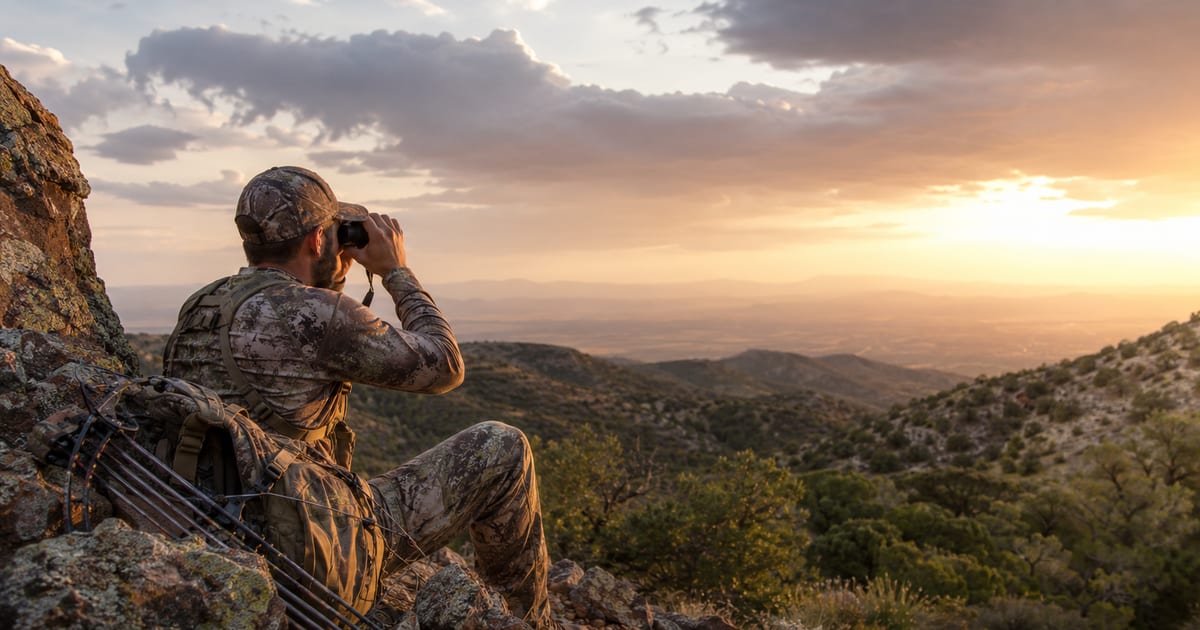
Arizona OTC Archery Deer 2026: Unit Limits and Closures
Arizona's OTC archery deer season opens August 21, 2026 — and units close the moment harvest limits fill. Here's every unit's limit, plus the best bets by real archery success rates.
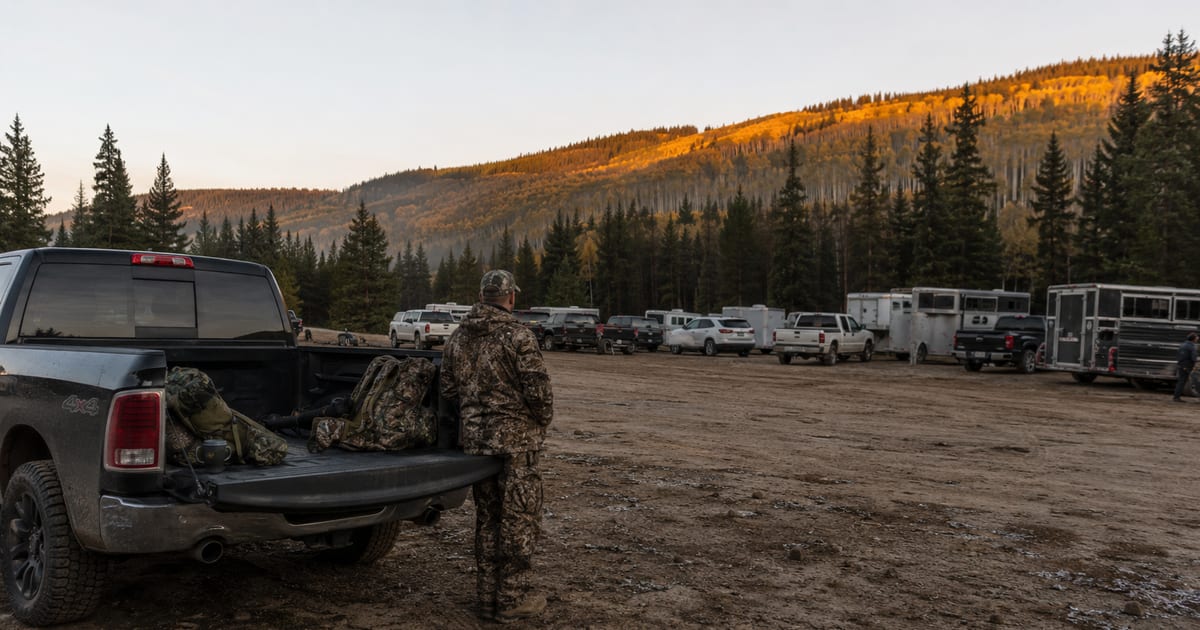
Colorado OTC Elk in 2026: What Changed for Nonresidents
Colorado eliminated unlimited nonresident OTC archery elk west of I-25 for 2026 — and Gunnison rifle tags went draw-only. Here's exactly what's still on the shelf and how to hunt this fall anyway.

Colorado Reissue Licenses: How to Grab Returned Elk Tags
Every Wednesday through fall, CPW sells back surrendered limited licenses — including elk tags nonresidents can't get any other way in 2026. Here's the Tuesday-Wednesday ritual that actually lands one.
No comments yet. Be the first to share your experience!