Arizona Hound Hunting Regulations Guide
Arizona hound hunting for bear and lion requires specific permits and tags. Here's the complete regulatory guide for 2026.
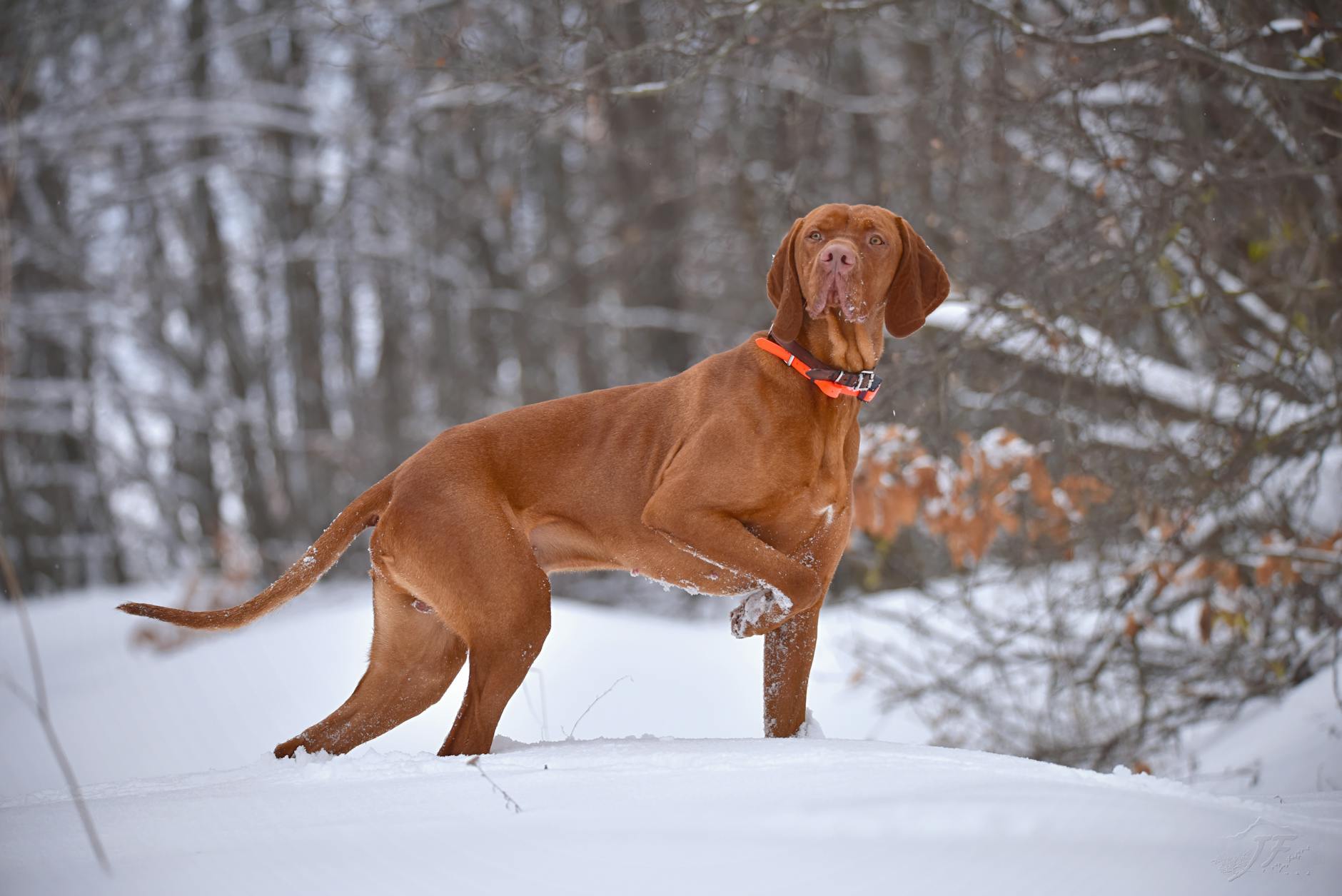
Arizona hound hunting is a legitimate, legal, and culturally significant hunting tradition. Bear and mountain lion are the primary species pursued with hounds, and Arizona’s regulatory structure balances this tradition with wildlife management and public safety considerations. Before booking a hound hunt for bear, check the Arizona draw odds — some bear units are draw-only and point accumulation matters significantly for unit access.
For nonresident hunters considering a hound hunt in Arizona, the regulations are specific and enforced. Here’s the complete guide.
Quick Facts: Arizona Hound Hunting
| Detail | Info |
|---|---|
| Legal species | Black bear, mountain lion |
| Season structure | Bear varies by unit; lion year-round in most units |
| Resident dog handler | Must hold Arizona hound license |
| Nonresident hound hunter | Uses licensed AZ resident hound handler or obtains NR permit |
| Bag limits | Species-specific; generally 1 lion/year and 1 bear/year |
| Hound requirements | No specific number limit for personal use |
Disclaimer: Arizona hound hunting regulations are codified in AGFD regulation and can change. Verify current rules at azgfd.com.
Bear Hound Hunting
Arizona allows bear hunting with hounds in specific units during designated seasons. The hunt requires:
- Valid bear tag (drawn for the specific unit/hunt number, or OTC for specific Arizona hunts).
- Hound permit compliance (either through licensed Arizona handler or through individual NR hound permit).
- Pursuit rules (Arizona law governs how dogs can pursue bears, including the use of tracking collars and communication equipment).
Bear hound hunts are productive — experienced handlers with conditioned hounds routinely produce bears at success rates exceeding 60% on 4-6 day hunts.
Regulations specific to bear hound hunting:
- Some bear hunts are method-restricted (standard only, no hounds)
- Other hunts are hound-hunt specific
- Check hunt number designations carefully before applying
Lion Hound Hunting
Mountain lion hound hunting is the other primary hound species. Arizona manages lion populations partly through hunter harvest, and hound hunting is a productive method.
Season: Year-round in most units, with female harvest quotas that can close individual units mid-season.
Tag: OTC mountain lion tag (~$75 NR) plus standard Arizona hunting license. When running hounds in remote canyon country, the bear spray vs. firearm guide covers the defensive carry considerations that experienced handlers take seriously.
Method: Traditional trailing hounds pursue a fresh lion track until the cat trees or bays in cliff rocks. Hunter approaches and takes the animal at close range.
Success rates: 50-75% on 3-5 day hunts with experienced handlers.
The Nonresident Path
For a nonresident hunter who wants to pursue bear or lion with hounds, three paths exist:
Path 1: Hire an Arizona Outfitter
Most nonresident hound hunters hire established Arizona outfitters who:
- Own and maintain trained hounds
- Handle all dog logistics and care
- Provide vehicles and terrain knowledge
- Process harvested animals
Rates: $3,500-$8,000 for 3-5 day lion hunts; $2,500-$6,000 for bear hunts.
This is the typical and most practical path for nonresident hound hunters.
Path 2: Hunt with an AZ-Licensed Handler
A nonresident hunter can hunt with an Arizona resident who holds a valid hound license. The resident handles the dogs; the nonresident carries the tag and takes the harvest.
This is effectively a guided hunt but less formally commercial. Common among hunting-friends networks rather than commercial outfitters.
Path 3: Obtain Nonresident Hound Permit
Nonresidents can obtain an Arizona hound permit that allows them to use their own dogs. This requires:
- Application through AGFD
- Background verification
- Compliance with Arizona hound regulations
- Additional permit fee
Rarely used in practice. Most nonresidents find it easier to hire Arizona outfitters than to transport and handle their own dogs in a new state.
Hound Rules Are Actively Enforced
Arizona takes hound hunting regulation seriously. Violations of pursuit rules, improper permit use, or unauthorized dog use can result in significant fines, loss of hunting privileges, and potential criminal charges. Don’t shortcut the regulatory structure.
Hound Equipment and Electronics
Tracking collars: GPS tracking collars for hounds are legal and standard. Allow handlers to locate hounds in rough country.
Communication equipment: Two-way radios between handler and hounds (or between handlers) are legal.
Bay collars: Collars that detect when hounds are at bay are legal.
Shock collars: Legal for training but some restrictions on active use during pursuit.
Ethics and Considerations
Hound hunting carries ethical considerations that hunters should weigh:
For hound hunting:
- Established hunting tradition with cultural significance
- Productive method for managing bear and lion populations
- Alternative to trap/snare methods
- Produces legal, consumable game harvest
Criticisms:
- Some view pursuit with dogs as unsporting
- Dog welfare concerns if handlers are not experienced
- Occasional non-target pursuits (treed animals that are not legal quarry)
Experienced handlers mitigate most welfare concerns through proper conditioning, equipment, and pursuit protocols.
Is Hound Hunting Right for You?
Good candidates for hound hunts:
- Hunters who accept the method’s ethics
- Hunters who prefer assisted hunts with high success probability
- Hunters new to Arizona who want structured, guided experiences
Poor fits:
- Hunters seeking pure fair-chase experiences
- Hunters with moral objections to dog pursuit
- Hunters who want minimal gear/vehicle dependence
Booking a Hound Hunt
When to book: 6-12 months before hunt. Premier handlers book early. Use the Tag-to-Trail Planner to map canyon access routes for hound country before you commit to a specific unit.
Reference checks: Contact prior clients, check state records for licensing issues.
Written agreements: Formal contract outlining services, rates, and expectations.
Deposit: Standard 25-50% at booking.
Related Arizona Articles
Frequently Asked Questions
Can I bring my own dogs from out of state? Legally yes, with proper permits. Practically, most don’t.
Is there a minimum dog number? No regulatory minimum. Handlers typically run 3-6 dogs.
Do I need physical fitness? Moderate. Chase country is rough but handler vehicles cover most of it.
What about weather? Cool weather (winter) is best for hounds. Heat limits dog performance.
Can I use hounds for bobcat? Yes, legal. Less commonly pursued than lion/bear.
What happens if my hunt runs into a closure? Units with female harvest quotas can close mid-hunt. Check status daily.
Next Step
Check Draw Odds for Your State
Tag-level draw odds across 9 western states — filter by species, unit, weapon, and points. Free to use.
Get the Insider Edge
Join hunters getting exclusive draw odds data, gear deals, and weekly hunt planning tips.
Related Articles

Arizona Elk Calling: September Archery
September archery elk in Arizona means calling. Here's the practical guide to bugles, cow calls, and the timing that produces bulls.

Arizona Shed Hunting: Rules & Season Guide
Arizona has specific rules on shed antler collecting. Here's the complete guide to the season, the ethics, and the most productive areas.
Deer Stand Placement: Finding the Right Tree Every Time
Master deer stand placement with strategies for pinch points, funnels, rub lines, scrapes, entry/exit routes, wind thermals, and seasonal movement patterns.
No comments yet. Be the first to share your experience!